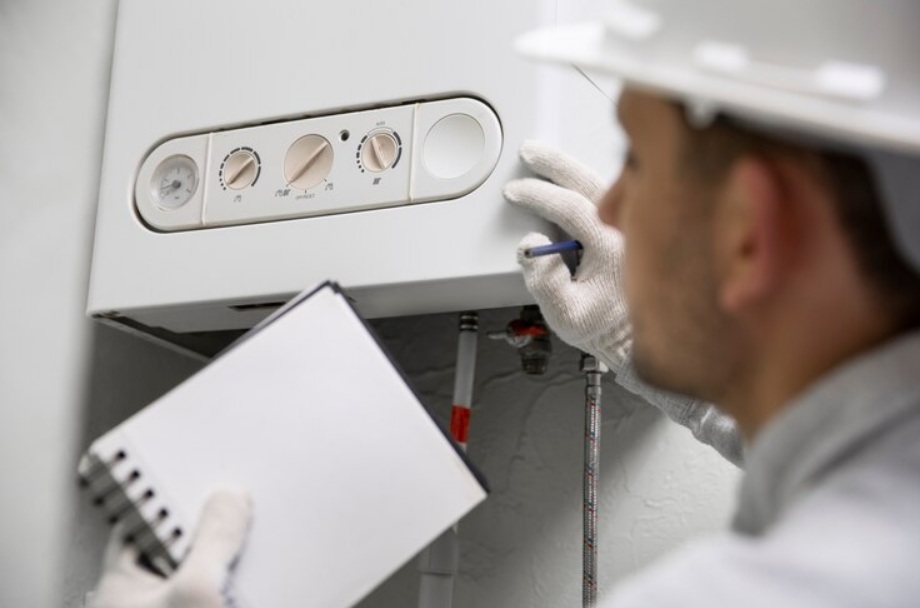
Expert HVAC Maintenance Tips for Homeowners
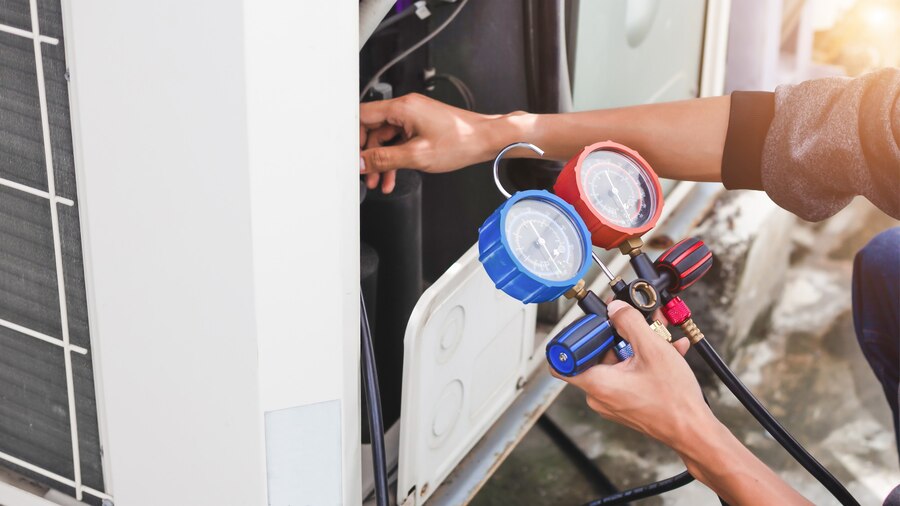
Maintaining your HVAC system is crucial for ensuring its longevity and efficiency. Regular maintenance not only helps in identifying potential issues early but also enhances the overall performance of the system.
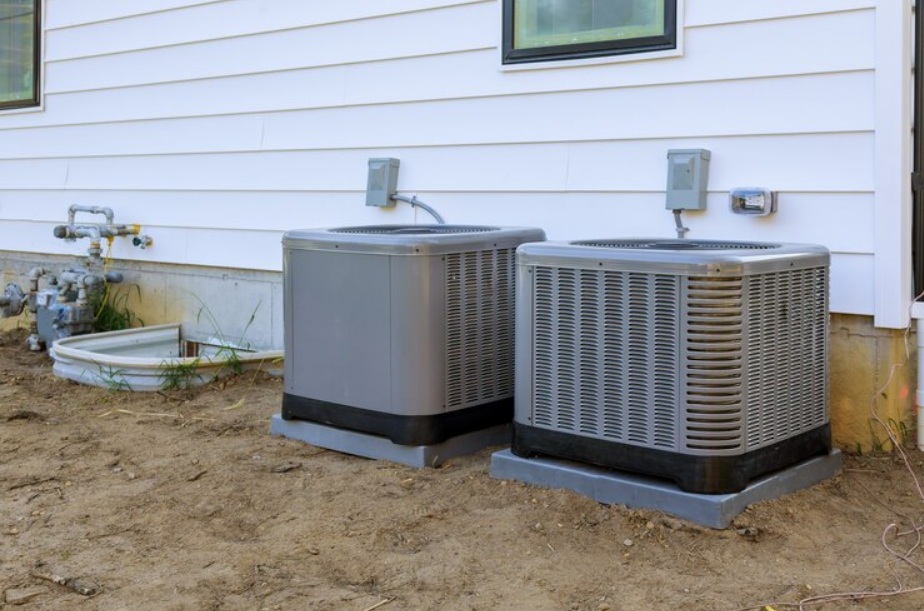
Homeowners should consider scheduling seasonal check-ups, changing filters monthly, and keeping the outdoor unit clear of debris. These simple tasks can significantly improve air quality and reduce energy costs throughout the year.
Understanding HVAC System Components
To effectively maintain your HVAC system, it's important to understand its key components, including the compressor, evaporator, and condenser. Each part plays a critical role in the cooling and heating processes.
For example, the compressor is responsible for circulating refrigerant, while the evaporator absorbs heat from inside your home. Familiarizing yourself with these components can help you recognize when something isn't functioning properly and when to call a professional.
Energy Efficiency Ratings for HVAC Systems
When selecting an HVAC system, understanding energy efficiency ratings is essential. The Seasonal Energy Efficiency Ratio (SEER) and Annual Fuel Utilization Efficiency (AFUE) are two key metrics that indicate how efficiently a system operates.
Higher SEER ratings mean better energy efficiency, which can lead to lower utility bills. Homeowners should look for systems that meet or exceed the minimum efficiency standards set by the Department of Energy to maximize savings and comfort.
Common HVAC Myths Debunked
There are many misconceptions surrounding HVAC systems that can mislead homeowners. One common myth is that closing vents in unused rooms saves energy, but this can actually create pressure imbalances and reduce system efficiency.
Another myth is that larger systems are always better. In reality, an oversized HVAC unit can lead to frequent cycling, which not only wastes energy but can also result in uneven temperatures throughout your home. Understanding these myths can help homeowners make informed decisions about their HVAC systems.
Expert HVAC Maintenance Tips for Homeowners
Maintaining your HVAC system is crucial for ensuring its longevity and efficiency. Regular maintenance not only helps in identifying potential issues early but also enhances the overall performance of the system.
Homeowners should consider scheduling seasonal check-ups, changing filters monthly, and keeping the outdoor unit clear of debris. These simple tasks can significantly improve air quality and reduce energy costs throughout the year.
Understanding HVAC System Components
To effectively maintain your HVAC system, it's important to understand its key components, including the compressor, evaporator, and condenser. Each part plays a critical role in the cooling and heating processes.
For example, the compressor is responsible for circulating refrigerant, while the evaporator absorbs heat from inside your home. Familiarizing yourself with these components can help you recognize when something isn't functioning properly and when to call a professional.
Energy Efficiency Ratings for HVAC Systems
When selecting an HVAC system, understanding energy efficiency ratings is essential. The Seasonal Energy Efficiency Ratio (SEER) and Annual Fuel Utilization Efficiency (AFUE) are two key metrics that indicate how efficiently a system operates.
Higher SEER ratings mean better energy efficiency, which can lead to lower utility bills. Homeowners should look for systems that meet or exceed the minimum efficiency standards set by the Department of Energy to maximize savings and comfort.
Common HVAC Myths Debunked
There are many misconceptions surrounding HVAC systems that can mislead homeowners. One common myth is that closing vents in unused rooms saves energy, but this can actually create pressure imbalances and reduce system efficiency.
Another myth is that larger systems are always better. In reality, an oversized HVAC unit can lead to frequent cycling, which not only wastes energy but can also result in uneven temperatures throughout your home. Understanding these myths can help homeowners make informed decisions about their HVAC systems.