A loud banging noise from your HVAC system is never a good sign. If you’re in Moorpark and have recently started to hear these noises when your AC turns on or off, or while it’s running, it’s worth your attention. These sounds are often a sign that something is loose, broken, or not working the way it should. When left without inspection, they can lead to bigger repair costs, reduced comfort, and even safety concerns.
During the summer season, HVAC systems in Moorpark work hard to keep homes cool. That makes it especially important to address any odd noises quickly. A system making a banging sound is usually asking for help. Recognizing where that sound is coming from and what it might mean is the first step toward solving the problem and avoiding bigger issues later. Let’s break down what might be causing the noise, and what should happen next.
Common Causes of Loud Banging Noises in HVAC Systems
HVAC systems don’t usually make a lot of noise when they run properly. So when you start to hear bangs or thuds, there’s likely something wrong inside the system. Here are some common reasons why that might happen:
1. Loose or Broken Components
Over time, fastening parts can loosen from constant use and vibration. If a fan blade gets bent or a motor mount comes loose, it can knock against other parts. A loose blower wheel or a cracked belt can slap or hit surfaces as the system operates, producing loud banging or clunking sounds.
2. Debris Inside the System
Sometimes leaves, sticks, or even small toys get inside the system, especially in outdoor units. If debris ends up inside the fan or blower assembly, it can hit the rotating parts and make a noticeable banging each time the system cycles. One homeowner in Moorpark found that a small branch had slipped through the outdoor unit’s grate and was banging against the fan blades during every cycle.
3. Expanding or Contracting Ducts
HVAC systems push large amounts of air through metal ductwork. As the air moves, and temperatures change suddenly, ducts may expand or contract. This can cause a metal-on-metal sound that resembles a bang or pop, especially in homes with older ductwork or if the air pressure inside the ducts is too high for the system design.
Each of these situations can lead to growing damage. Identifying the source of the noise early will help stop the problem before it turns into a system breakdown.
Potential Dangers of Ignoring These Noises
A banging noise may seem like a nuisance at first, but letting it go can turn that small issue into a system-wide problem. The cost and stress involved with a complete breakdown or emergency call could have been avoided by getting the noise checked early.
Here’s what could happen if banging sounds go ignored:
– Damage Spreads to Other Parts
When parts like bearings or fan blades come loose, they can strike nearby components. That kind of repeated impact might damage parts that were working fine before. What starts as a small problem with one piece can spread and affect major sections of the system.
– Your Energy Bills Go Up
An HVAC unit that’s running while damaged usually has to work harder to produce the same results. That means more electricity use over time. Even if your home still feels cool, your system could be operating far less efficiently than it should.
– Safety Concerns
Banging noises might come from electrical parts sparking or motors overheating. If you’re hearing repeated or growing noise, there’s a risk of potential fire hazards or electric shorts. That’s why keeping an eye—and ear—on your system is more than just a comfort issue. It can also be a matter of safety for your household.
Addressing the noise now can often prevent multiple service calls and restore peace of mind. The sound might seem small at first, but the risks tied to it are worth taking seriously.
Steps to Diagnose and Fix the Problem
When you start hearing banging noises from your HVAC system, your first goal should be to locate where it’s coming from. That can narrow down what’s likely wrong. It’s not always possible to figure it out on your own, but observing some key signs can help speed things up when our professionals come out for HVAC repair in Moorpark.
Here’s a simple way to approach it:
1. Listen for timing and pattern
– Does the banging noise happen as soon as the system starts up?
– Does it occur randomly during operation or only when it shuts off?
2. Check areas where noise could originate
– Supply and return vents: See if there’s strong airflow or anything blocking discharge.
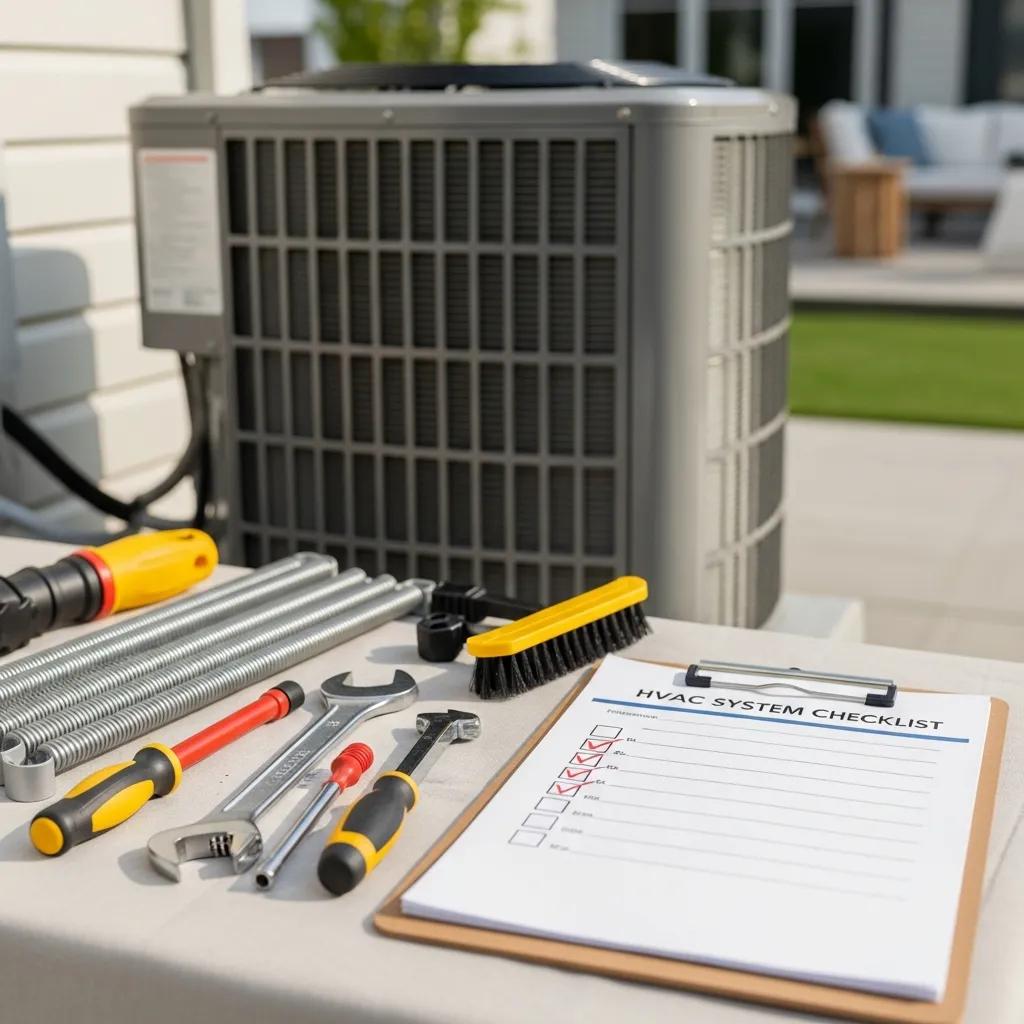
– Outdoor unit: Look around for visible debris stuck in or around the fan.
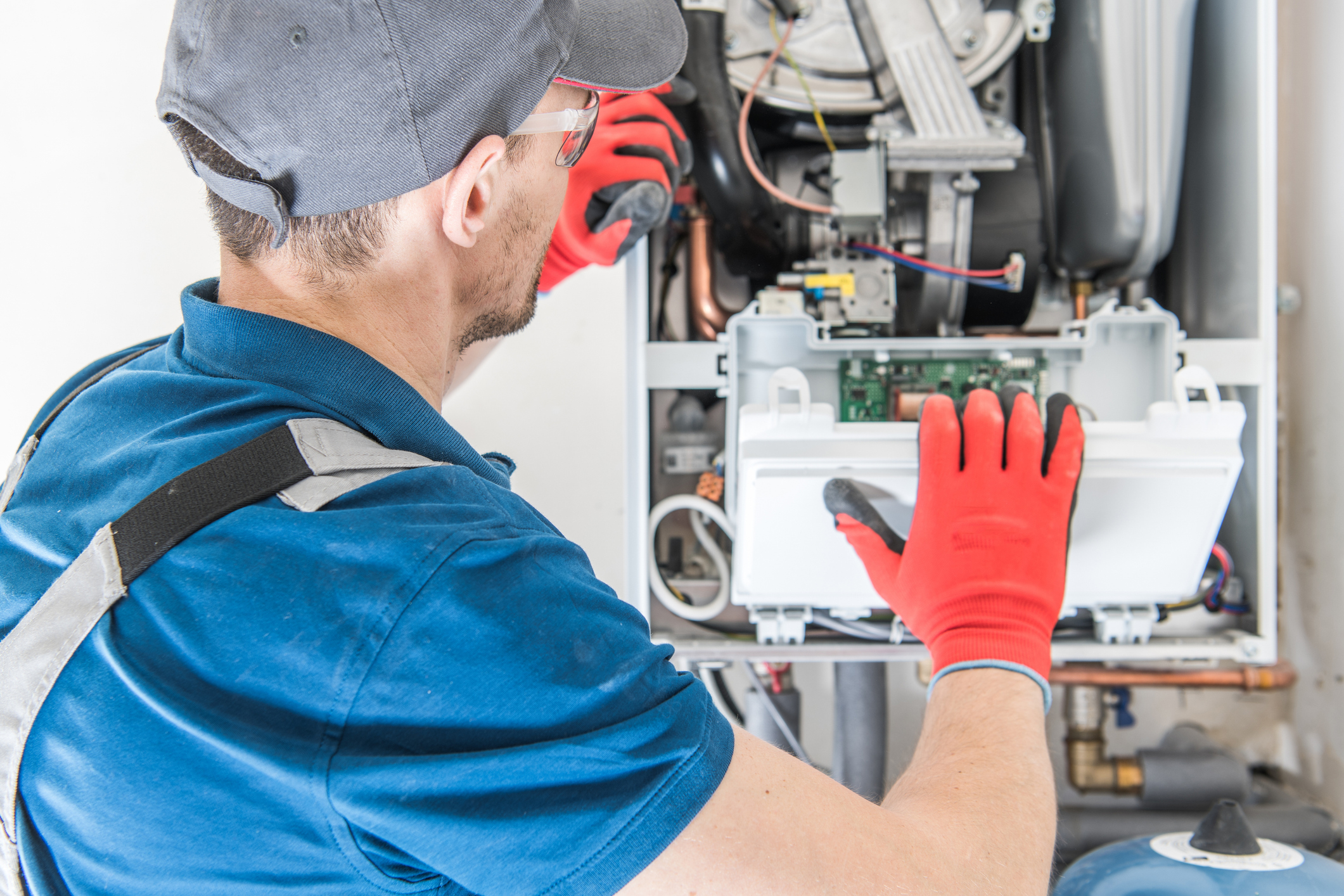
– Indoor unit: If accessible, see if the door panel is secure and not vibrating.
3. Look for visible signs
– Vibrating panels, shaking ducts, or obvious loose parts can sometimes be seen with a flashlight.
– Scorch marks, melted wire insulation, or odor might point toward an electrical issue. Stop using the unit if you notice these.
4. Know when to stop and call a professional
– If you can’t clearly identify a minor cause or the banging continues, do not disassemble the system.
– Avoid removing parts or attempting fixes. Modern HVAC systems are intricate and need professional hands-on work.
– Reaching out to have our technicians assess the issue avoids added damage and keeps your system under proper care.
Sometimes what seems like a small issue can be part of something more serious. Listening, inspecting, and then calling in trained support is the fastest route to a working AC and a quieter home.
Preventive Measures for Avoiding HVAC Noises
You can’t fully prevent wear and tear on an HVAC system, but there are several things homeowners in Moorpark can do to reduce the chance of dealing with loud banging sounds.
Here are some simple and effective habits:
– Stay on top of regular maintenance
One of the best ways to prevent mechanical noise is by scheduling routine inspections. It allows professionals to catch things like loose parts, worn belts, or dirty blowers before they cause system damage.
– Keep clear space around outdoor units
Trim back shrubs and check for debris around the outside cabinet. Avoid placing anything nearby that could fall in or get sucked into the fan assembly.
– Change filters on a proper schedule
Clogged filters restrict airflow and can lead to duct expansion noises or overworking the system. Make this a monthly habit during the summer season.
– Fix small problems early
If you hear rattling, clanking, or light thumping, don’t overlook it. These smaller warnings usually show up before a full-on bang starts. Getting help early can stop things from escalating.
– Ask about duct inspections
Especially in older homes, ductwork can loosen or settle over time. This can lead to loud pops and bangs when the AC kicks on or off. Having the ducts checked for pressure, attachment, and insulation could make a big difference in sound and performance.
Working HVAC equipment shouldn’t create distracting or unsettling noise. With the right attention to upkeep and by being proactive, you’ll spend less time worrying about noises and more time staying comfortable.
Safeguard Your Comfort by Addressing HVAC Noises Promptly
Every banging sound from an HVAC system is sending a signal. Ignoring that sound won’t make it go away. It usually leads to more wear and less cooling power. Whether it’s faulty parts, debris inside the system, or pressurized ducts, each issue can trigger a chain reaction. Addressing it quickly protects the whole system and helps keep summer days in Moorpark cool and stress-free.
Homeowners who act early not only stop discomfort but also avoid bigger repairs. When you hear something unusual, trust the signs. You don’t have to solve the issue on your own, but doing something about it early can make the fix easier and faster. Peaceful, reliable cooling starts with recognizing when it’s time for professional support.
If your HVAC system continues to produce disruptive noises or performance issues, addressing it quickly can help prevent more serious problems. Relying on our professionals now can provide effective solutions and ensure your system operates efficiently. Consider HVAC repair in Moorpark to restore comfort throughout your home. For a quick estimate or to book a service visit, please contact us today.