Get Your Furnace Heating Again — Quick, Safe Steps
When a furnace runs but won’t blow warm air, it quickly becomes stressful and cold. This guide walks you through what “furnace not heating” usually means, the common causes across thermostat, airflow, ignition, and electrical systems, and practical steps you can take to diagnose and often fix the problem. You’ll find clear troubleshooting flows for furnaces that run but blow cold air, units that won’t start, component issues like flame sensors and ignitors, plus targeted checks for Daikin systems. We’ll also cover safe DIY actions, how to read control-board lights and error codes, and when it’s time to call a pro.
Why Is My Furnace Not Blowing Hot Air? Common Causes and Quick Checks
If your furnace runs but the air stays cold, the problem is usually in the combustion or control sequence, an airflow restriction, or an interruption of the fuel supply. Sometimes it’s as simple as the thermostat set to the wrong mode; other times a failing flame sensor or blocked vent keeps the burners from producing heat. Starting with quick, visible checks can solve many problems safely without replacing parts. Work from simple controls and obvious components toward more technical diagnostics, and stop immediately if you smell gas, see burning smells, or notice signs of a cracked heat exchanger.
Run these quick checks right away:
- Make sure the thermostat is set to Heat and them set temperature is higher than the room.
- Check the air filter — replace it if it’s dirty or visibly clogged.
- Confirm supply registers and return vents are open and not blocked.
These basic steps often bring heat back and can avoid an unnecessary service call. If they don’t help, Comfort Heroes is available for expert diagnostics and in-home checks to determine whether professional repair is required.
What Role Does a Dirty Air Filter Play in Furnace Heating Issues?
A clogged filter reduces return airflow, cutting heat delivery and sometimes causing the furnace to overheat and shut down on safety limits. During heavy use, inspect filters monthly and replace when they look dirty — chosen MERV ratings should balance filtration with airflow (higher MERV can reduce airflow). Signs of a dirty filter include weak airflow from registers, longer blower runtimes without temperature gain, and rapid cycling. Swapping a disposable filter is an easy homeowner fix that often restores warmth and protects the blower and heat exchanger.
How Do I Troubleshoot Furnace Not Turning On? Step-by-Step Electrical and Power Solutions
If the furnace doesn’t start at all, the cause is often power-related: a tripped breaker, a shut-off service switch, a blown fuse, or a failed transformer/control board that won’t start the ignition sequence. The control board needs 24V and main power to begin ignition; without that, nothing happens. Checking power first saves time and prevents unnecessary part replacements. Always put safety first — if you smell burning or see hot components, cut power and call a professional.
Safe, step-by-step actions to try before calling a pro:
- Check the furnace breaker in your main panel; reset it if tripped and watch to see if it trips again.
- Make sure the furnace power switch (usually on or near the unit) is ON and any external disconnects are engaged.
- Look at the control board’s indicator LEDs and note any steady or flashing patterns to report to a technician.
If power is present but the unit still won’t start, the transformer or control board may be faulty and need professional testing. The table below compares common power-related causes and simple homeowner checks.
Before the table: this comparison lists power components you can safely inspect and what to do next if a check fails.
| Power Component | Symptom | Quick Check / Next Step |
|---|---|---|
| Circuit Breaker | Furnace has no power; breaker tripped | Reset the breaker; if it trips again, stop and call a technician |
| Furnace Power Switch | Unit appears dead despite breaker on | Confirm the switch (looks like a light switch near the unit) is ON; toggle off and on |
| FurnaceFuse | Local fuse blown; unit silent | Replace fuse only if you’re comfortable doing so; note repeated failures |
| Transformer | 24V control power absent | Record LED behavior and report to a technician; multimeter testing by a pro is required |
| Control Board | No ignition sequence; error lights | Document LED codes and avoid repeated restarts; call a professional |
These checks help separate simple resets from issues that need professional diagnosis. If electrical faults repeat, schedule a professional inspection to avoid hazards.
What Are the Signs of a Faulty Ignitor or Pilot Light?
Ignition problems often look like this: the furnace tries to start (fans run, you hear clicks) but the burners never light, or you hear continuous clicking without flame. Hot-surface ignitors that are cracked or don’t glow need replacement; older pilot systems with a weak or out pilot show similar symptoms. If you smell gas strongly, evacuate immediately and call emergency services — do not try to light anything. If there’s no gas odor but no flame, note whether the ignitor glows or the pilot stays lit and record any error codes or LED flashes for the technician. Replacing ignitors or pilot assemblies is a technician-level job because of gas and electrical safety concerns.
What Are the Most Common Furnace Component Problems Causing No Heat?
Typical component failures that cause no heat include dirty or failing flame sensors, gas valves that don’t open, blower motors that run while burners don’t fire, and control boards that interrupt the ignition sequence. Each part has a role: the flame sensor confirms combustion, the gas valve supplies fuel, and the control board coordinates the sequence. Knowing which symptom points to which part helps you decide what to inspect yourself and what to leave to a technician.
| Component | Typical Symptom | DIY Check / Recommended Action |
|---|---|---|
| Flame Sensor | Burners light briefly then shut off | Look for soot or buildup; gently clean the sensor or call a pro if unsure |
| Blower Motor | Blower runs but air is cold | Check filter and vents; listen for unusual noises and contact a technician if noisy |
| Gas Valve | No gas flow; burners won’t light | Smell for gas; if none, professional valve testing and service are required |
| Control Board | No ignition sequence; error LEDs | Document LED patterns and get professional diagnostics |
This table highlights which parts homeowners can safely inspect and which need trained HVAC techs. Repeated short cycling or frequent shutdowns often point to flame-sensing or control-board faults rather than simple airflow issues.
How Does a Malfunctioning Flame Sensor Affect Furnace Operation?
The flame sensor tells the control board that burners are lit; if it’s dirty or corroded it may fail to detect flame and the board will shut the gas off to prevent unsafe flow. Typical signs are burners that fire briefly then shut off, short cycling, and error codes pointing to flame failure. Homeowners can sometimes remove minor buildup following safe shutdown and cleaning steps, but working near burners and gas parts requires caution. If cleaning doesn’t fix the problem, replace the sensor and have a technician verify safe operation.
Why Is My Furnace Blowing Cold Air Despite Running?
If the blower is on but the air is cold, determine whether the burners are firing. The blower can run while the burners never light, or a safety limit could be shutting the flame off. Check whether supply plenums or registers warm after a few minutes; if they stay cold, and if it’s safe to do so, look through the access panel to confirm whether burners ignite. Other causes include closed dampers, a closed gas valve, or pressure-switch and venting issues that prevent ignition. Because combustion-related cold-air conditions can signal serious safety risks like carbon monoxide or a cracked heat exchanger, persistent unexplained cold air should trigger a professional inspection.
When Should I Call a Professional for Furnace Repair in Thousand Oaks and Southern California?
Knowing when to stop DIY and call a pro protects your safety and prevents small issues from becoming costly failures, especially with gas and electrical systems. Call a professional immediately if you smell gas, experience persistent electrical trips, see visible cracks in the heat exchanger, or if a carbon monoxide alarm activates. For non-emergency but complex problems — repeated short cycling, persistent control-board errors, or failed ignition sequences after basic troubleshooting — schedule diagnostic service so a technician can perform part-level repairs and a safety check. Local technicians in Thousand Oaks, Woodland Hills, Simi Valley, and nearby communities understand regional fuel types, venting methods, and climate-related load patterns that affect HVAC performance.
What Are the Signs That Require Expert HVAC Technician Intervention?
Some red flags need immediate professional attention because they pose safety or complicated mechanical risks. If you smell gas, the furnace repeatedly trips your breaker, you see cracks or heavy corrosion on the heat exchanger, or a carbon monoxide alarm sounds, evacuate and call emergency services and a certified HVAC pro technician. Other signs include unexplained heating loss after basic checks, loud grinding or screeching from the blower, or persistent error codes that remain after resets. A trained technician can perform combustion testing, pressure-switch checks, and controlled component replacements safely.
Troubleshooting electrical controls and circuit issues requires specialized tools and experience — it’s not a homeowner task.
How Does Comfort Heroes Provide Expert Furnace Repair and Maintenance?

Comfort Heroes focuses on residential heating repair, installation, and maintenance across Southern California, including Thousand Oaks, Woodland Hills, and Simi Valley. As a Daikin Comfort Pro partner, our local technicians offer on-site diagnostics, targeted repairs, and preventive maintenance designed to restore reliable heat and extend equipment life. We provide free estimates for qualifying work and flexible financing options to help homeowners manage larger repairs or replacements. If you prefer a certified Daikin provider or need local, fast service, Comfort Heroes is ready to schedule diagnostics and repairs.
How Can I Troubleshoot Daikin Furnaces Specifically? Expert Tips for Daikin Comfort Pro Customers
Daikin furnaces behave like other modern systems but may use model-specific control logic and service steps. Start with the general checks — thermostat call, power, and airflow — then review the unit’s manual for control-board LED meanings and service intervals. For Daikin owners, document any LED blink patterns and operating behavior before calling a technician, and prioritize certified service when error indicators appear. Working with a Daikin Comfort Pro-certified technician ensures correct OEM parts and service procedures for your model.
Safe, high-level Daikin checks homeowners can do include verifying thermostat compatibility and power, confirming filter cleanliness and airflow, and recording control-board LED patterns. When basic checks don’t fix the issue, reference the manufacturer manual or contact a certified Comfort Pro technician.
How Does Daikin Furnace Maintenance Improve Heating Reliability?
Routine Daikin maintenance — filter changes, burner checks, airflow verification, and control inspections — reduces ignition failures, maintains efficiency, and extends equipment life. Clean combustion and airflow paths allow sensors and ignitors to work as designed, preventing false shutdowns and reducing strain on motors and gas valves. Scheduling annual tune-ups with a certified technician makes sure safety-critical parts are tested and adjusted and that small issues are found before they become outages. Regular maintenance keeps heating steady through seasonal changes common in Southern California.
What Are the Best DIY Troubleshooting Steps Before Scheduling Furnace Repair?
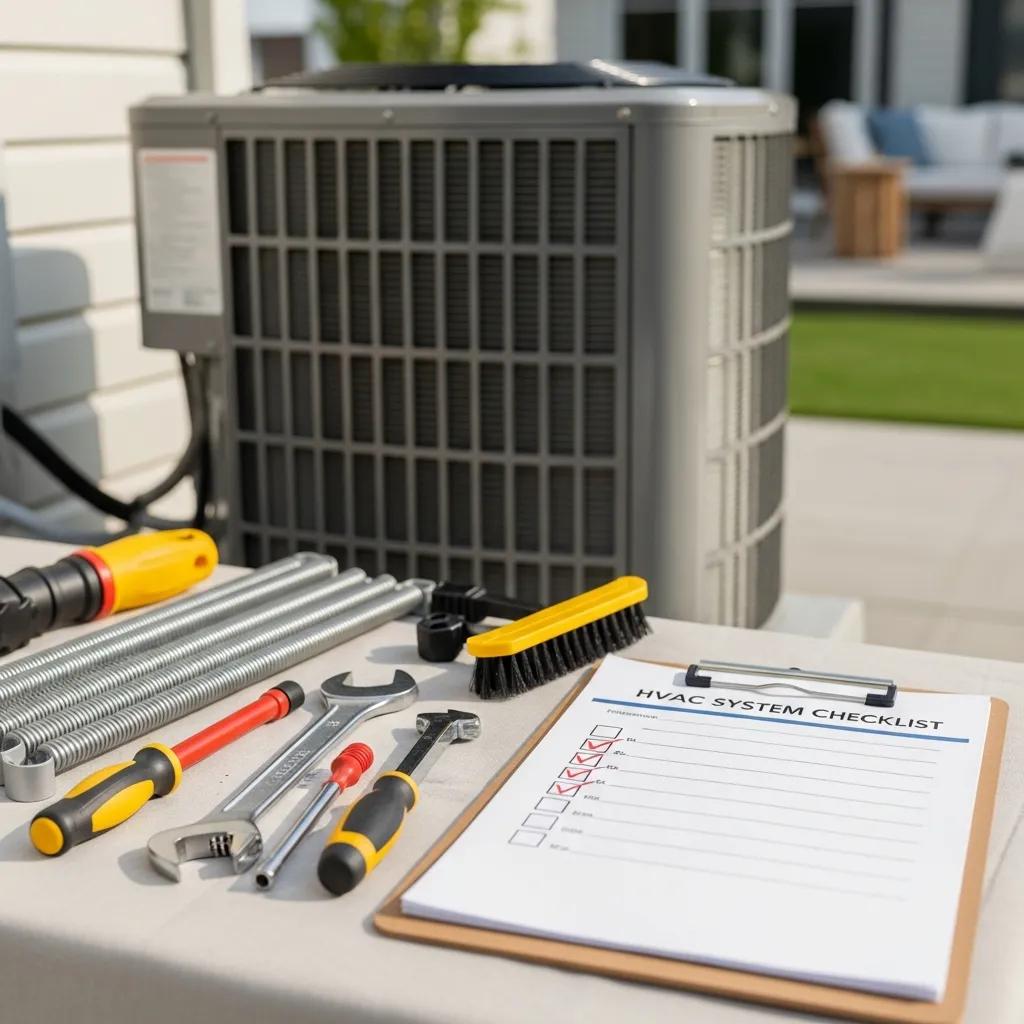
A short, prioritized DIY checklist focuses on the safest, highest-impact fixes that often restore heat and generate useful information for a technician if you need one. Start with thermostat checks, filter replacement, and breaker/service-switch resets, then observe burner behavior and note any error codes or control-board LED patterns. Avoid any internal gas repairs, control-board replacements, or combustion testing — those require a licensed tech. Completing this checklist usually speeds up a professional diagnosis if you call for service. Prioritized checklist to follow now:
- Confirm thermostat settings and power; replace batteries if needed.
- Replace or inspect the air filter and ensure vents and returns are unobstructed.
- Check the circuit breaker and furnace power switch; reset if necessary.
This approach handles most homeowner-resolvable issues and clarifies when to call a pro. If these steps don’t restore heat, share your observations and any error codes when you contact a technician. Before the DIY table: the table below organizes common homeowner tasks by time, difficulty, and expected outcome so you can prioritize troubleshooting.
| Task | Estimated Time | Difficulty | Expected Outcome |
|---|---|---|---|
| Thermostat check and reset | 5–10 minutes | Low | Confirms the system is being asked to heat |
| Air filter inspection/replacement | 10–20 minutes | Low | Restores airflow and often returns heat |
| Breaker/power switch reset | 5 minutes | Low | Restores power if a trip occurred |
| Observe burners and LED codes | 10–15 minutes | Medium | Provides useful diagnostic clues for a technician |
After the table: following this order helps you focus on safe, high-impact tasks and collect clear information for your technician if service is needed. Avoid attempting any repairs that require specialist tools or gas-system work. Contact us to claim special discounts and offers.
How to Interpret Furnace Error Codes and What They Mean?
Control boards use LED flash patterns or brief text messages to indicate fault types like ignition failure, pressure-switch faults, or high-limit trips. Codes are model-specific, so when you see flashes or a message, write down the exact pattern and note whether it happened at start-up, during run, or at shutdown. These general code classes tell you whether a problem is electrical, combustion, or airflow related and guide technician testing like continuity checks, flame-sensor inspection, or pressure-switch diagnostics. If codes persist after safe resets, contact a certified hvac pro technician and give them your recorded observations for faster, more accurate repairs.
- Record the exact LED pattern or control-panel message and when it occurs.
- Reference the furnace manual or model documentation for the code definition.
- Report the coded behavior to your technician if the fault continues after resets.
These steps help technicians use codes effectively to speed repairs and keep safety front and center.
Contact Us for Professional Service!
Furnace heating issues are often solvable with a few safe checks, and understanding the common causes helps you decide when to DIY and when to call a pro. Follow the troubleshooting steps above to restore comfort and gather useful information for a technician if needed. When in doubt, contact Comfort Heroes for dependable HVAC service and support in your area.