Maximize Comfort with Energy Efficient HVAC Solutions
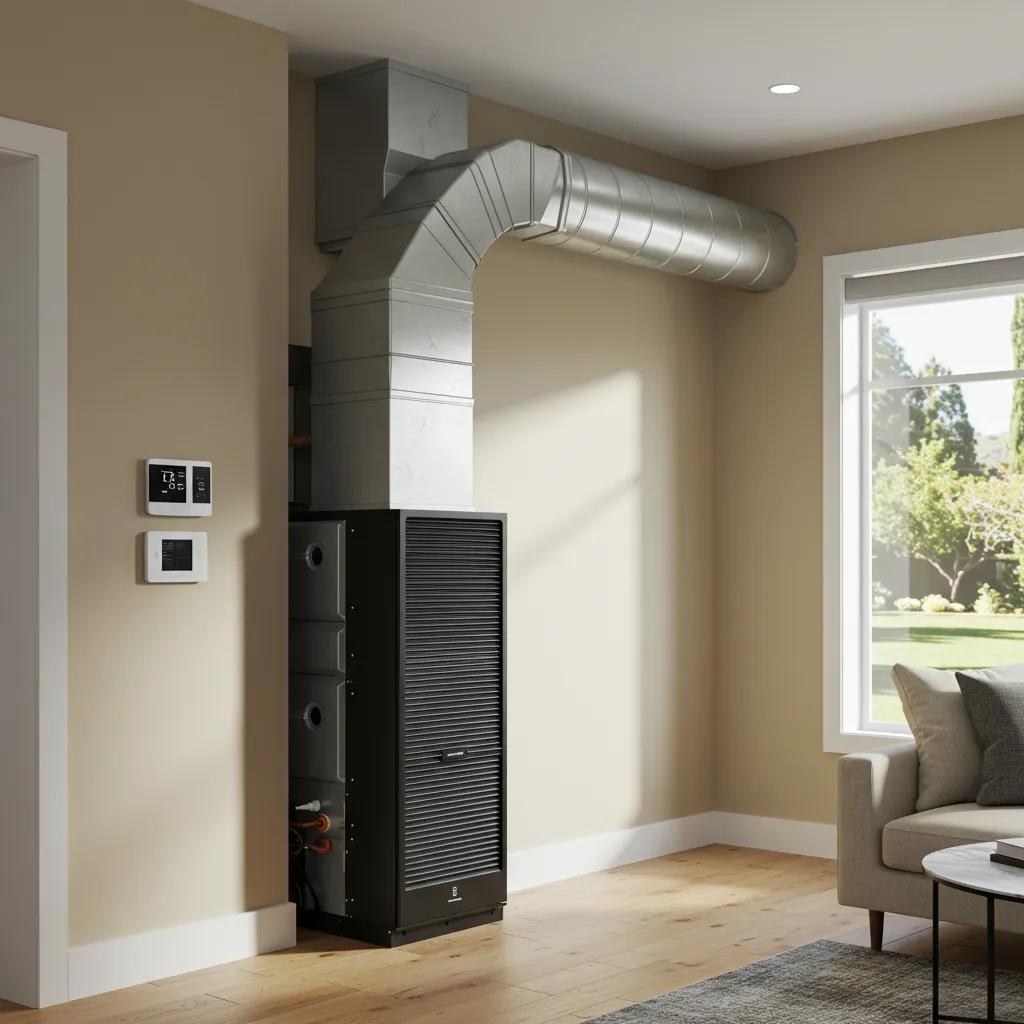
Upgrade Your Home's Comfort: The Ultimate Guide to Energy-Efficient HVAC in Thousand Oaks
Homeowners in Thousand Oaks can slash their utility bills by up to 30 percent by switching to energy-efficient HVAC systems. These advanced systems optimize heating, cooling, and ventilation with cutting-edge components and smart controls. This guide will show you how high-efficiency HVAC solutions minimize energy waste, maximize indoor comfort, and qualify you for local rebates, all while highlighting our expert installation and maintenance services. You’ll learn what makes an HVAC system energy-efficient, how to pick the right one using SEER and HSPF ratings, the costs and savings associated with heat pumps, smart retrofit upgrades, available local incentives, and our proven process for seamless installation. By the end, you’ll have a clear understanding of how upgrading to an energy-efficient HVAC system delivers lasting savings, environmental benefits, and reliable performance for your Thousand Oaks home.
What Exactly Are Energy-Efficient HVAC Systems, and How Do They Benefit You?
Today’s energy-efficient HVAC systems feature high-performance compressors, variable-speed motors, and precise thermostatic controls to deliver exceptional comfort while using less energy. These systems minimize heat loss, adapt their output to your home’s current needs, and maintain steady indoor temperatures, leading to lower energy bills and a longer lifespan for your equipment. As a homeowner, you’ll enjoy consistent comfort, better indoor air quality, and a reduced carbon footprint, all while seeing a faster return on your investment through utility savings and potential rebate eligibility.
What Sets an Energy-Efficient HVAC System Apart?
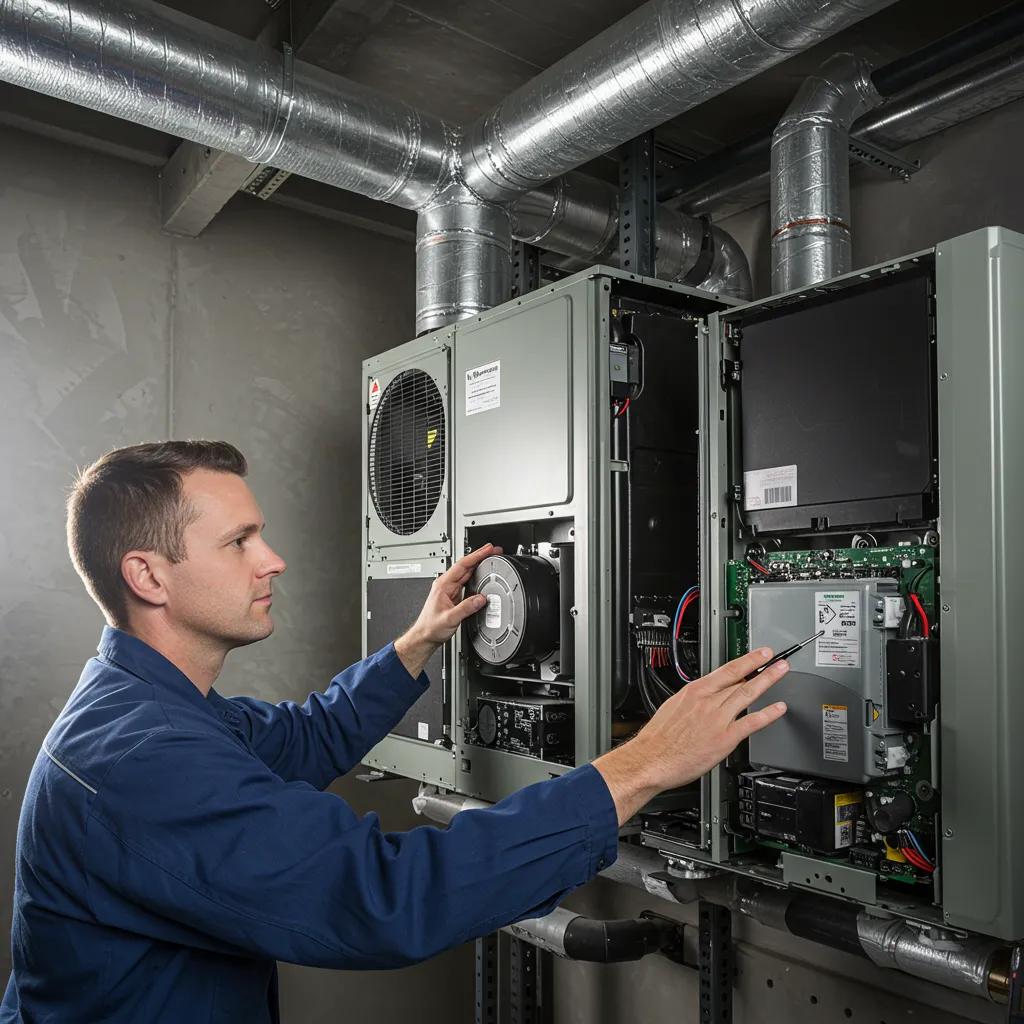
An energy-efficient HVAC system uses advanced heat exchangers, smart sensors, and variable-speed components to precisely match its output to your home’s actual heating or cooling demands, thereby minimizing power consumption. By dynamically adjusting compressor speed and airflow, these systems avoid the energy-draining constant on/off cycling common in older units. Enhanced filtration and zoned controls further optimize air distribution, ensuring each area of your home receives just the right temperature. This precision operation not only cuts energy use but also extends equipment life and maintains stable indoor comfort.
How Do Energy-Efficient HVAC Systems Lower Your Energy Bills?
Energy-efficient systems reduce your bills by intelligently modulating compressor speed, fan operation, and refrigerant flow to meet precise temperature demands, rather than running at full blast and shutting off repeatedly. This continuous adjustment minimizes peak power surges, reduces startup energy losses, and maintains consistent set-point temperatures. Coupled with improved insulation, sealed ductwork, and smart thermostats, these systems significantly reduce heat gain and loss, translating directly into tangible monthly savings. Over time, these operational efficiencies can fully offset the installation costs through lower consumption and fewer repair needs.
Why is Energy Efficiency So Crucial for Thousand Oaks Homes?
Thousand Oaks experiences hot, dry summers and mild winters, conditions that can put a significant strain on traditional HVAC equipment and lead to high peak energy usage. An energy-efficient system adapts its output to these fluctuating outdoor conditions, reducing excessive runtime during heat waves and preventing inefficient short-cycling in milder weather. Lower electricity draw during peak summer months also eases the burden on local power infrastructure and helps you avoid higher time-of-use electricity rates. For homeowners, this means predictable monthly bills, dependable comfort, and a reduced environmental impact in the Southern California climate.
Choosing the Perfect Energy-Efficient HVAC System for Your Home
Selecting the right energy-efficient HVAC solution involves comparing different system types, understanding their performance metrics, and ensuring the equipment size is perfectly matched to your home’s specific climate and layout. Making the right choice guarantees maximum savings and lasting comfort.
Top Energy-Efficient HVAC Choices: Heat Pumps, Air Conditioners, and Furnaces
Here’s a breakdown of the three main categories of high-efficiency HVAC systems and their key features.
| System Type | Efficiency Metric | Key Advantage |
|---|---|---|
| Air Source Heat Pump | SEER 16–23 / HSPF 8–13 | Provides both cooling and heating, using up to 50 percent less energy than single-function systems |
| Central Air Conditioner | SEER 14–22 | Delivers highly efficient cooling and dehumidification, ideal for hot summers |
| High-Efficiency Furnace | AFUE 90–98 percent | Offers reliable heating with minimal fuel waste and superior temperature control |
This comparison covers your primary options for cooling and heating, leading into the performance metrics that will guide your final system selection.
How Do SEER and HSPF Ratings Impact HVAC Efficiency?
The Seasonal Energy Efficiency Ratio (SEER) measures how much cooling your system provides for each unit of electricity it consumes over a typical cooling season. The Heating Seasonal Performance Factor (HSPF) quantifies how efficiently a heat pump operates in heating mode. Higher SEER values mean greater cooling efficiency, which translates to lower electricity usage during the hottest months. Likewise, a high HSPF rating indicates more efficient heating with less energy consumption. Choosing equipment with a SEER rating above 16 and an HSPF rating above 8 will ensure significant utility savings and excellent year-round performance in Thousand Oaks’ climate.
Energy Efficiency in Central Air Conditioning SystemsThe study identifies that the selection of more efficient components and optimal system configurations significantly influences energy efficiency in Central Air Conditioning (CAC) systems, alongside operational and maintenance practices.Energy efficiency and certification of central air conditioners (EECCAC), P Riviere, 2003
What's the Significance of ENERGY STAR Certification for HVAC Systems?
An ENERGY STAR certification is your assurance that an HVAC unit meets stringent efficiency standards set by government agencies. These certified systems consistently outperform standard models, offering enhanced reliability and lower operating costs. Heat pumps and air conditioners bearing the ENERGY STAR label often qualify for additional rebates and federal tax credits, making the initial investment more accessible. Opting for certified equipment also ensures your system meets current and future efficiency standards and contributes to reducing greenhouse gas emissions.
How to Accurately Assess Your Home's Size and Climate Needs for HVAC Selection?
Proper system sizing is crucial—it balances heating and cooling capacity with your home’s actual demand, preventing oversizing that leads to inefficient short-cycling and undersizing that results in inadequate comfort. Start with a detailed load calculation that takes into account your home’s square footage, ceiling height, window orientation, insulation levels, and the local temperature extremes. It’s highly recommended to consult with certified professionals for a Manual J analysis to determine the precise tonnage and airflow requirements. Correct sizing maximizes efficiency, extends equipment lifespan, and ensures every room in your home maintains a consistent, comfortable temperature.
Understanding the Costs and Savings of High-Efficiency Heat Pump Installation in Thousand Oaks
Evaluating the cost versus the potential savings is key to understanding the return on investment when you upgrade to a high-efficiency heat pump.
What's the Typical Cost for a High-Efficiency Heat Pump Installation?
The cost for installing a 2- to 3-ton high-efficiency heat pump typically ranges from $5,500 to $9,500. This price can vary based on the unit’s brand, whether it’s ENERGY STAR certified, and if any duct modifications are needed. You might also incur additional expenses for electrical upgrades, refrigerant line sets, and the removal of your old equipment. Fortunately, financing options and seasonal promotions can help spread these costs over manageable payments. Investing in a modern heat pump often leads to monthly savings that can recoup the installation expenses within 5 to 7 years.
What Kind of Energy Savings Can You Expect from Heat Pumps?
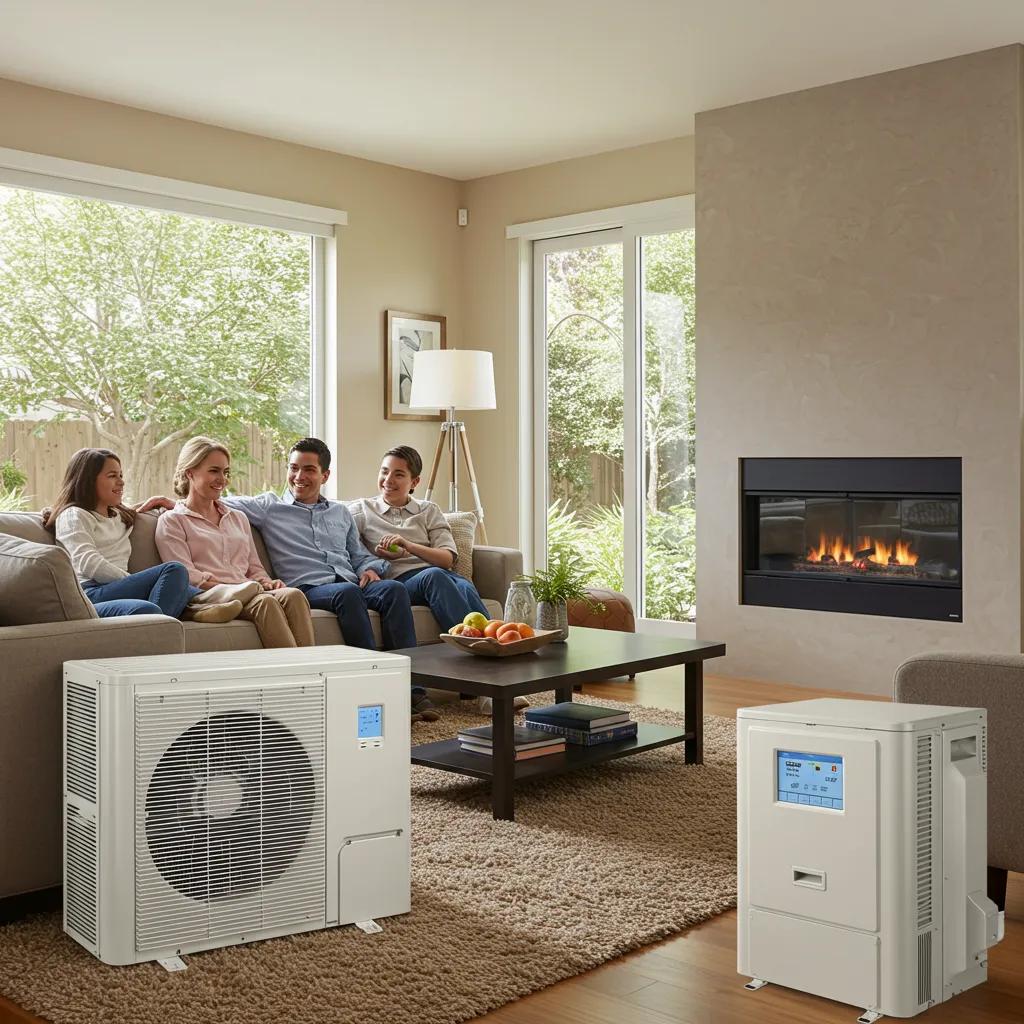
- Reduced cooling energy consumption during peak summer demand.
- Highly efficient heat transfer in moderate winter temperatures.
- Lower maintenance needs compared to combustion-based heating systems.
- Seamless integration with smart thermostats for precise temperature scheduling.
These combined savings can amount to hundreds of dollars annually and significantly contribute to lowering your carbon footprint in Southern California’s climate.
Air Source vs. Geothermal Heat Pumps: Which Offers Better Long-Term Savings?
Here’s a comparison of air source and geothermal heat pumps, focusing on their long-term efficiency and lifecycle benefits.
Geothermal systems provide superior year-round efficiency by harnessing stable underground temperatures, while air source units offer a faster payback with a lower upfront investment.
Maximizing Your HVAC System's Energy Efficiency Through Upgrades
Upgrading your current system with targeted retrofits can lead to substantial energy savings without the need for a complete replacement.
What Are the Best Energy-Saving Furnace Replacement Options?
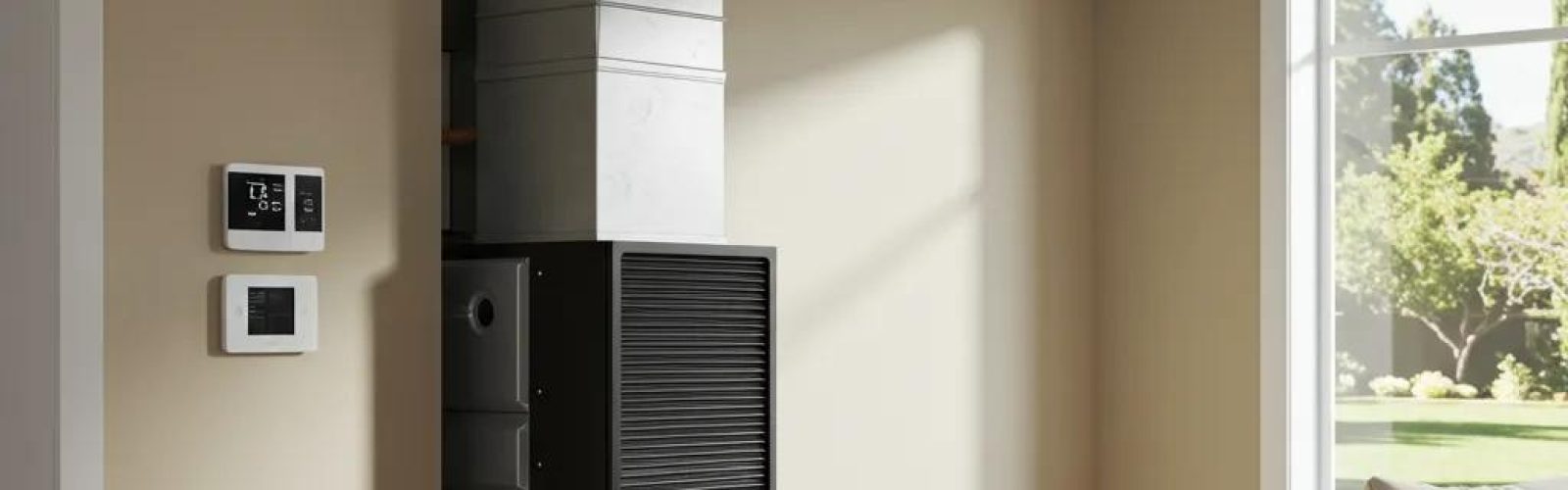
A high-efficiency condensing furnace, boasting an AFUE rating above 95 percent, utilizes a secondary heat exchanger to capture latent heat from flue gases, significantly reducing fuel consumption. Variable-speed furnaces further enhance efficiency by modulating gas valve and blower speed to precisely match heat output with your home’s real-time demand. Electronic ignition systems eliminate the energy waste of a standing pilot light, ensuring safer and more consistent heating performance. These advanced options deliver immediate fuel savings and a noticeable boost in indoor comfort.
How Do Smart Thermostats Boost HVAC Energy Efficiency?
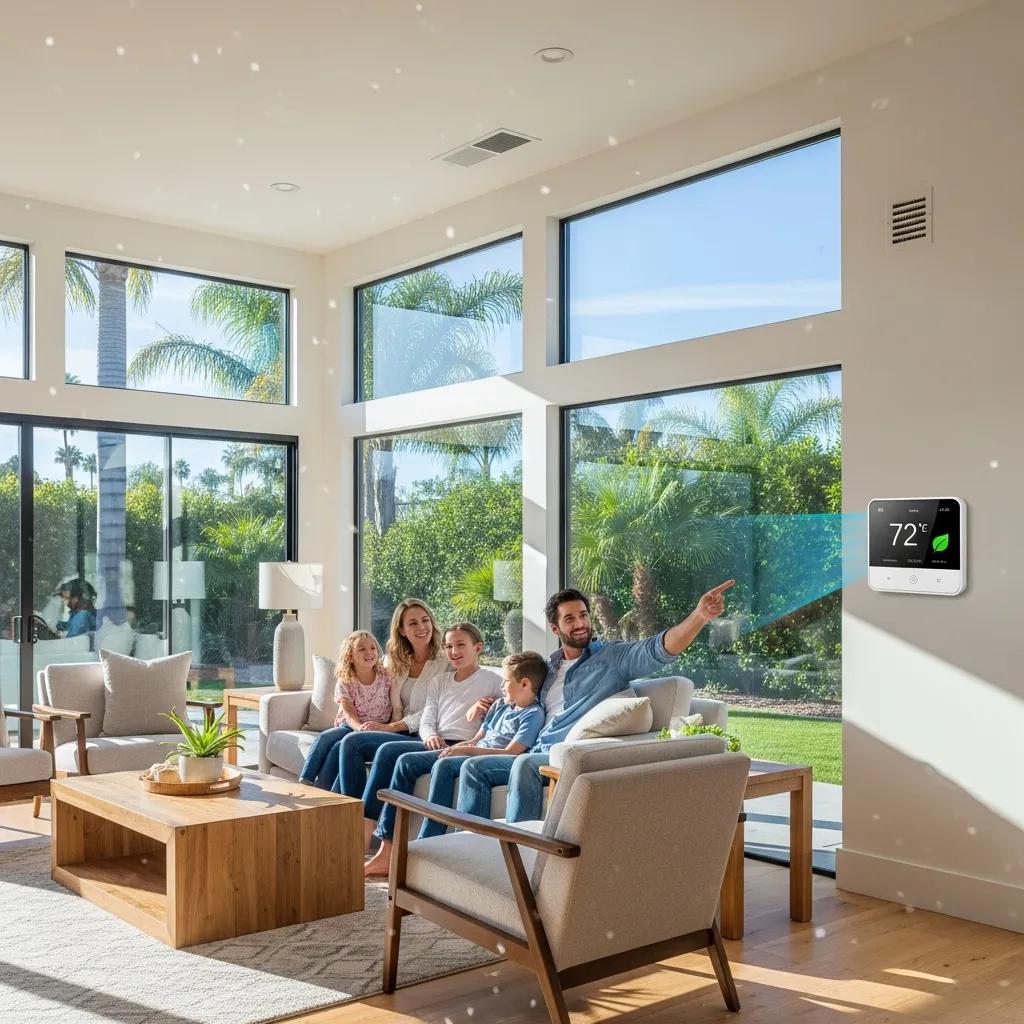
Smart thermostats learn your household’s patterns, automatically adjust temperature settings, and allow for remote control via mobile apps. By reducing HVAC operation when your home is unoccupied and adapting to outdoor temperature fluctuations, these devices can cut your HVAC energy usage by up to 15 percent. Integration with humidity sensors and occupancy detection ensures optimal comfort and air quality. Plus, detailed usage reports help you identify even more opportunities for efficiency improvements.
Why is Regular HVAC Maintenance Essential for Energy Savings?
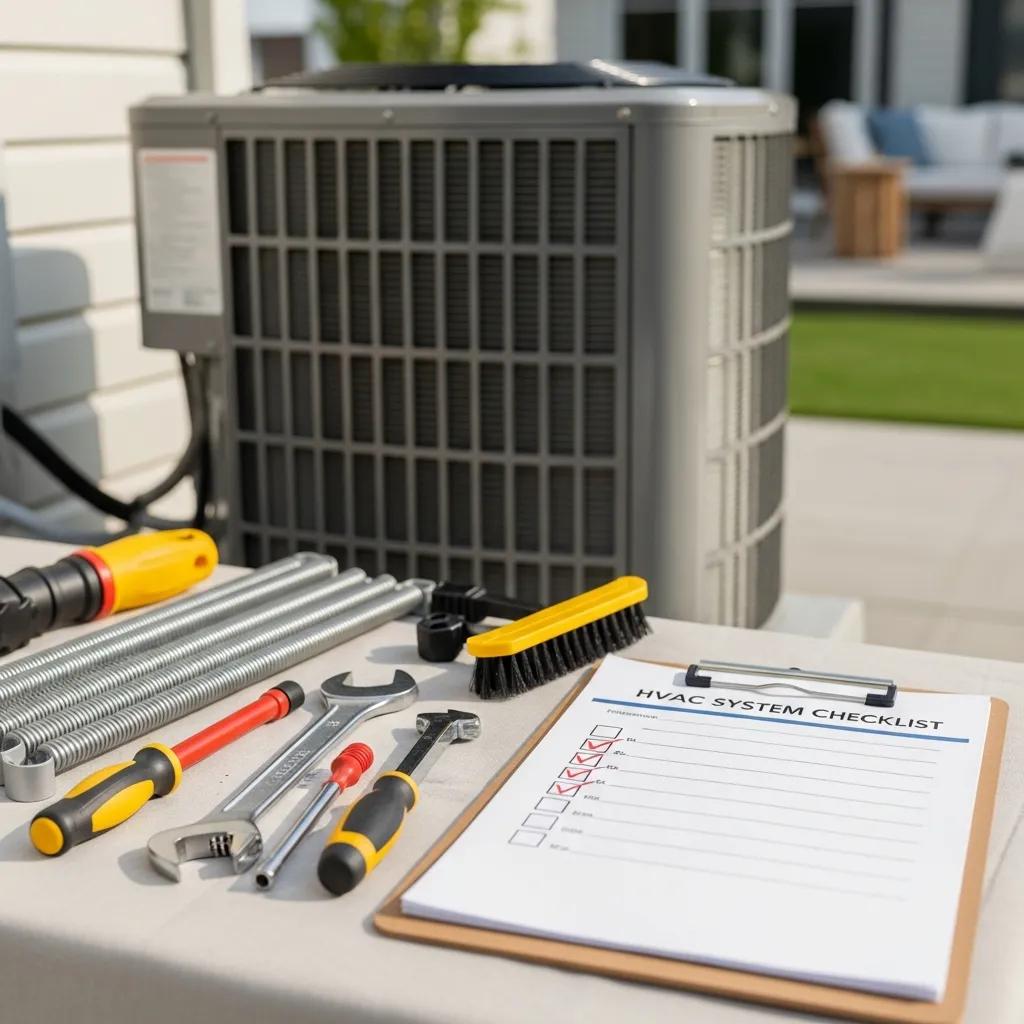
Routine maintenance, including tasks like changing air filters, cleaning coils, and checking refrigerant levels, ensures all system components operate at their peak performance. Clean coils facilitate better heat transfer, while properly charged refrigerant prevents the compressor from working harder than necessary. Tightened electrical connections and lubricated moving parts minimize mechanical losses and energy waste. Regular tune-ups not only extend your equipment’s lifespan but also prevent costly breakdowns and maintain compliance with manufacturer warranties.
How Do Duct Sealing and Insulation Improve HVAC Performance?
Sealing duct joints and insulating ducts located in unconditioned spaces prevents conditioned air from escaping—a problem that can account for up to 30 percent of energy loss. Properly insulated ducts maintain a consistent temperature as air travels through walls and attics. This optimization reduces system runtime, improves airflow balance throughout your home, and decreases overall system stress. Homeowners benefit from more accurate temperature control, lower utility bills, and reduced operational noise.
Discover Local Incentives and Rebates for Energy-Efficient HVAC Systems in Thousand Oaks
Numerous local and federal programs are available to significantly reduce the net cost of your high-efficiency HVAC upgrade.
Which Thousand Oaks Energy-Efficient HVAC Rebates Can You Claim?
- Southern California Edison offers rebates for qualifying heat pumps and air conditioners.
- SoCalGas provides incentives for installing high-efficiency condensing furnaces and smart thermostats.
- The City of Thousand Oaks offers energy efficiency grants for home retrofits.
What Federal Tax Credits Support High-Efficiency HVAC Upgrades?
The federal energy tax credit allows you to claim up to 30 percent of the cost for qualifying heat pumps, furnaces, and advanced controls installed through 2032. This incentive directly reduces your overall project cost by applying to both equipment purchase and installation. Be sure to verify that your chosen equipment meets the efficiency criteria and keep detailed invoices to claim the credit. Combining federal incentives with local rebates maximizes your savings.
How Do You Apply for Utility Company Rebates in Thousand Oaks?
- Carefully review the eligibility requirements for each specific rebate program.
- Submit the required pre-approval application before purchasing your new equipment.
- Keep meticulous records of detailed equipment specifications and installation invoices.
- Submit your rebate forms along with proof of purchase and installation certification.
How Our Expert Energy-Efficient Air Conditioning Installation Services Work in Thousand Oaks
Our expert installation process combines in-depth knowledge of the local climate, certified technicians, and proven quality control measures to ensure reliable, efficient air conditioning performance for your home.
What Are the Advantages of High-Efficiency Air Conditioning Units?
- Enhanced indoor comfort through precise temperature and humidity control.
- Reduced energy consumption by up to 25 percent compared to standard models.
- Quieter operation thanks to advanced variable-speed compressors.
- Eligibility for ENERGY STAR rebates and federal tax incentives.
How Does Variable Speed AC Technology Conserve Energy?
Variable speed compressors dynamically adjust cooling capacity in real time based on your home’s indoor heat load. This prevents the energy-intensive full-capacity starts and stops common in traditional systems. By precisely matching output to actual demand, these systems maintain steadier temperatures, reduce wear and tear on components, and minimize electricity spikes. When paired with smart thermostatic controls, they optimize runtime schedules, leading to further savings, especially during Thousand Oaks’ fluctuating summer temperatures.
Climatic Impacts on Heat Pump Performance MetricsABSTRACT: Fairey, Philip; Parker, Danny S; Wilcox, Bruce; Lombardi, Matthew. ASHRAE Transactions; Atlanta, Vol. 110, (2004): 178-188.Climatic impacts on heating seasonal performance factor (HSPF) and seasonal energy efficiency ratio (SEER) for air-source heat pumps, P Fairey, 2003
Why Opt for ENERGY STAR Certified Central Air Conditioners?
ENERGY STAR certified central AC units surpass federal efficiency standards, delivering at least 15 percent greater cooling performance. These certified models feature enhanced coil designs, superior refrigerants, and advanced variable-speed fans that significantly reduce energy consumption. They often come with premium warranties and diagnostic features that simplify maintenance. Homeowners benefit from lower utility bills and increased reliability, especially crucial in Southern California’s heat.
How Does Comfort Heroes Deliver Expert Local Installation and Repair?
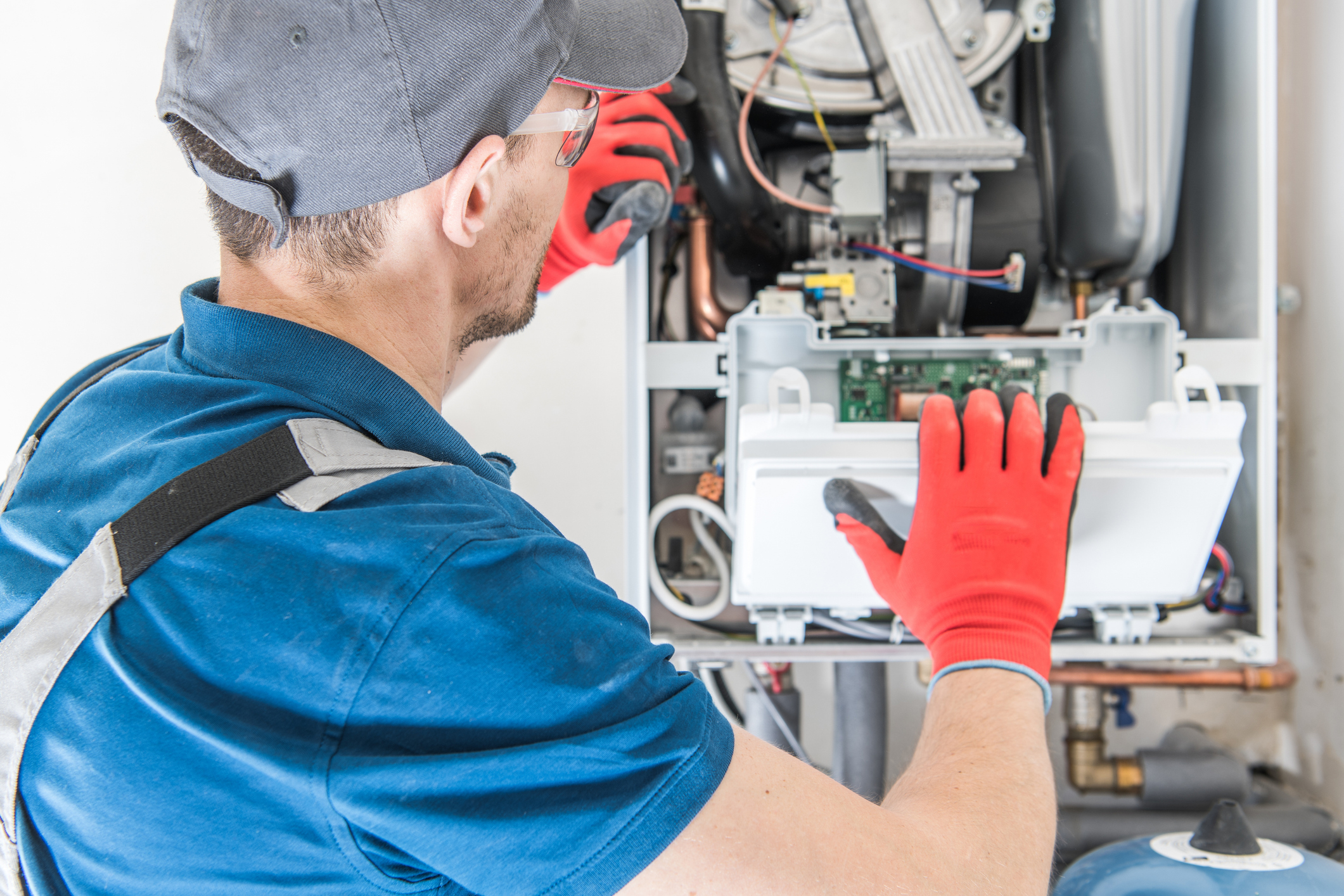
Comfort Heroes brings over a decade of specialized regional HVAC expertise, combined with manufacturer-trained technicians, to ensure flawless system integration for your home. Our comprehensive process includes professional load calculations, custom ductwork modifications, and thorough end-to-end quality inspections. We stand behind every installation with robust maintenance plans and priority repair response, guaranteeing sustained performance and maximum energy savings for Thousand Oaks residents.
Frequently Asked Questions About Energy-Efficient HVAC Systems
Here are straightforward expert answers to common homeowner questions about energy-efficient HVAC solutions.
What is the most energy-efficient HVAC system available for homes?
A geothermal heat pump offers the highest year-round efficiency by utilizing stable underground temperatures to provide heating and cooling with minimal electricity consumption.
How can I improve the energy efficiency of my current HVAC system?
Upgrading to a programmable or smart thermostat, sealing and insulating your ductwork, and scheduling annual professional maintenance can boost your existing system’s efficiency by up to 20 percent.
What SEER rating is considered good for energy-efficient cooling?
A SEER rating of 16 or higher signifies high energy efficiency for cooling and typically qualifies for most rebates and ENERGY STAR certification.
Are heat pumps more energy-efficient than furnaces?
Yes, heat pumps can be 20–50 percent more efficient than traditional furnaces because they transfer existing heat rather than generating it through fuel combustion.
How much can I realistically save annually with an energy-efficient HVAC system?
Homeowners typically save between $200 and $600 annually on utility bills after upgrading to high-efficiency HVAC equipment, depending on system size and usage patterns.
Upgrading to an energy-efficient HVAC system in Thousand Oaks offers tangible savings, enhanced comfort, and significant environmental advantages. By carefully selecting the right equipment, taking advantage of local rebates, and relying on trusted installation experts, you can ensure reliable performance and lower energy bills for years to come. Contact Comfort Heroes today to schedule a complimentary energy audit and discover the ideal high-efficiency solution for your home.