When the temperatures rise in Agoura Hills during the summer, your AC should be helping you stay relaxed—not giving you constant headaches. But if your system keeps turning on and off rapidly, that is a clear sign of short cycling. This issue does not just make the air in your home feel inconsistent or uncomfortable—it can also drive up your energy bills and wear your system out more quickly than it should.
Short cycling may seem like a quick on-off quirk, but it can lead to serious problems if ignored. The underlying causes often point to something needing immediate attention. Whether it is a thermostat problem, an airflow restriction, or an undersized system, short cycling is a symptom of something deeper that can get worse if left alone, especially when your system is working its hardest near the peak of summer in Agoura Hills.
Understanding Short Cycling
Short cycling happens when your AC turns off before it finishes a full cooling cycle, then turns on again shortly after. This may happen every few minutes, and it usually means the system is running inefficiently. A typical cycling pattern gives your AC time to reach the desired temperature, run steadily, and turn off after the job is done. But with short cycling, that steady rhythm is disrupted.
This problem often gets worse on hot summer days when your system is supposed to be keeping up with constant demands. In Agoura Hills homes, short cycling is sometimes mistaken for normal activity—especially when homeowners hear the system running often. One clear sign is that your house never feels comfortable, no matter how frequently the AC kicks on.
Homeowners might also notice:
– The AC unit turns on and off every 5 to 10 minutes
– Rooms never seem to reach the set temperature
– The outdoor unit starts and stops frequently
– Higher energy bills appear with no other changes
– Odd smells or noises accompany each startup
If you are seeing any of these signs, short cycling might be the exact issue behind them.
Common Causes of Short Cycling
There are a few likely reasons behind short cycling, and many of them are tied to how your AC system was installed, maintained, or upgraded. If your system keeps shutting down before it is done cooling your space, one of these factors may be responsible:
1. Improperly Sized Air Conditioner
An oversized unit cools the space too fast and shuts off in a hurry. That might sound good, but it does not let the system remove humidity properly or spread cool air evenly. It also restarts constantly, shortening the system’s life. On the flip side, an undersized unit might overwork itself to try reaching the set temperature, triggering early shutdowns due to strain.
2. Thermostat Issues
When the thermostat is not placed correctly—like near a vent or in direct sunlight—it can get false readings. A malfunctioning thermostat can also send the wrong signals to the AC, telling it the home is cooler or warmer than it actually is. That causes the system to switch on and off at the wrong times.
3. Refrigerant Leaks
Low refrigerant levels make it harder for the system to move heat out of your home. Without enough refrigerant, the system can overheat or freeze, which forces it to shut down early. If a refrigerant line has a leak, the system may eventually stop working altogether.
4. Restricted Airflow
If the airflow in the system is blocked, the AC may overheat and shut down to protect itself. This is a common issue when filters have not been changed regularly or if coils and ducts are clogged with dirt. Something as basic as a dirty air filter can interrupt the system and lead to erratic cycling.
Spotting the root cause can help prevent repeated breakdowns, excessive utility costs, and damage to the system over time. Sometimes, it is a combination of issues that make short cycling worse, especially after years of wear if the system has not been maintained consistently.
Consequences of Ignoring Short Cycling
When short cycling continues without being fixed, it can shorten the life of your AC system and lead to rising maintenance costs. The system has to work harder to reach the set temperature, but the constant starting and stopping uses more energy every time.
There is also the problem of uneven cooling. One room might feel like a freezer while another barely cools down. The air may feel humid even when the AC is running often, which frustrates homeowners who are relying on the system during Agoura Hills’ hottest weeks.
Letting short cycling go on too long can also result in:
– More frequent part replacements like compressors and capacitors
– Greater risk of complete system failure on high-demand days
– Increased discomfort and disrupted daily routines
– Higher utility bills every month
In one example, a family in Agoura Hills noticed their AC restarting continuously every 7 minutes. Their energy bills spiked, and only one side of the home felt cool. After an inspection, it turned out the system was too large for their home, and the thermostat placement was off—causing early shutoffs and uneven results. Addressing both issues returned the cooling system to proper cycling behavior.
Fixing short cycling early avoids expensive repairs later and helps your home stay reliably comfortable, even when the outside temperatures climb.
Solutions and Preventative Measures
Short cycling can damage your AC system and drain your wallet if it is not addressed early. The good news is that there are several effective steps you can take to keep your system running properly and avoid unnecessary service calls in the middle of a heatwave. Whether your system is relatively new or has been in place for years, these actions keep it functioning efficiently and protect it from premature failure.
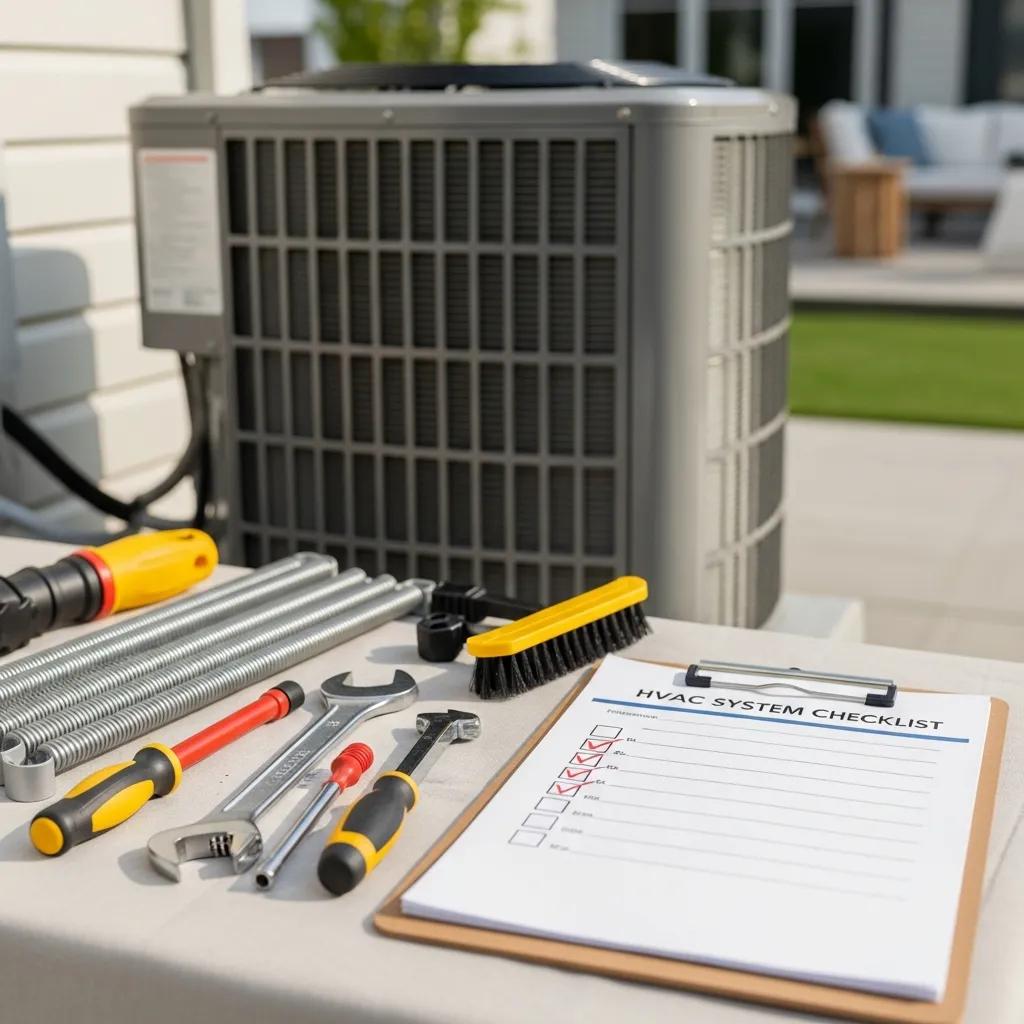
Regular maintenance is at the top of the list. When you schedule maintenance each season, our professionals can inspect and test each part of your AC system to catch early signs of short cycling. Many issues that cause short cycling—like refrigerant leaks, dirty coils, and blocked airflow—are easy to overlook if you are not actively checking your system. By the time these things cause symptoms, like uneven cooling or frequent shutdowns, your system could already be stressed.
Correct sizing and installation also matter. If your current system is too large or too small, no amount of maintenance will solve short cycling for good. Our technicians use load calculations based on the layout, square footage, and insulation of your home to recommend the right system. Homes in Agoura Hills that were remodeled or built in different eras sometimes have mismatched systems not suited to their current needs—a leading cause of short cycling.
A few more actions that can help reduce short cycling and improve cooling:
– Calibrate your thermostat to avoid false readings that trigger early AC shutoffs
– Install your thermostat away from vents, direct sunlight, or heat-emitting appliances
– Replace air filters every 30 to 45 days to keep airflow steady and clean
– Make sure all vents and returns are open and unobstructed
– Keep the outdoor condenser unit clear of weeds, plants, and debris
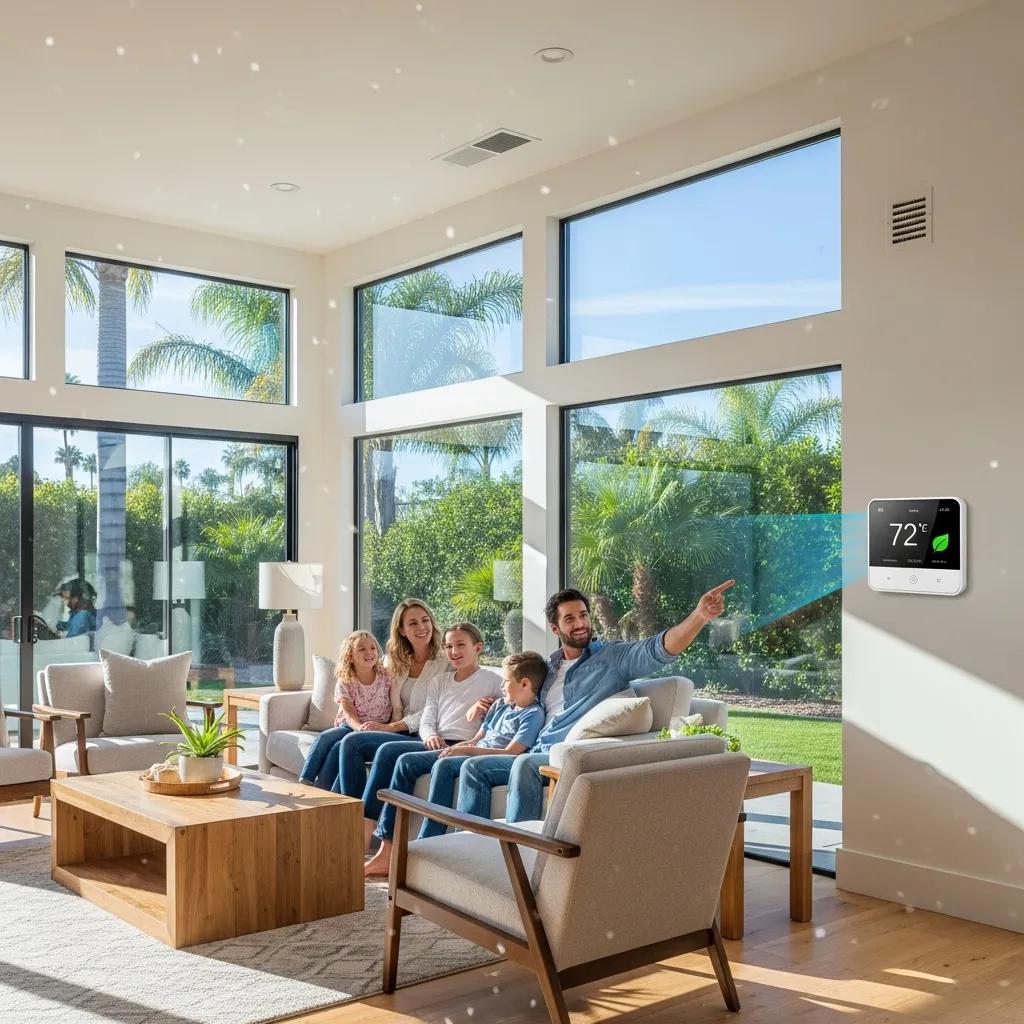
Even simple steps make a difference. Something as easy as installing a smart thermostat can give better control over cooling cycles and alert you when the system behaves abnormally. These alerts can identify faults before they grow into more expensive problems.
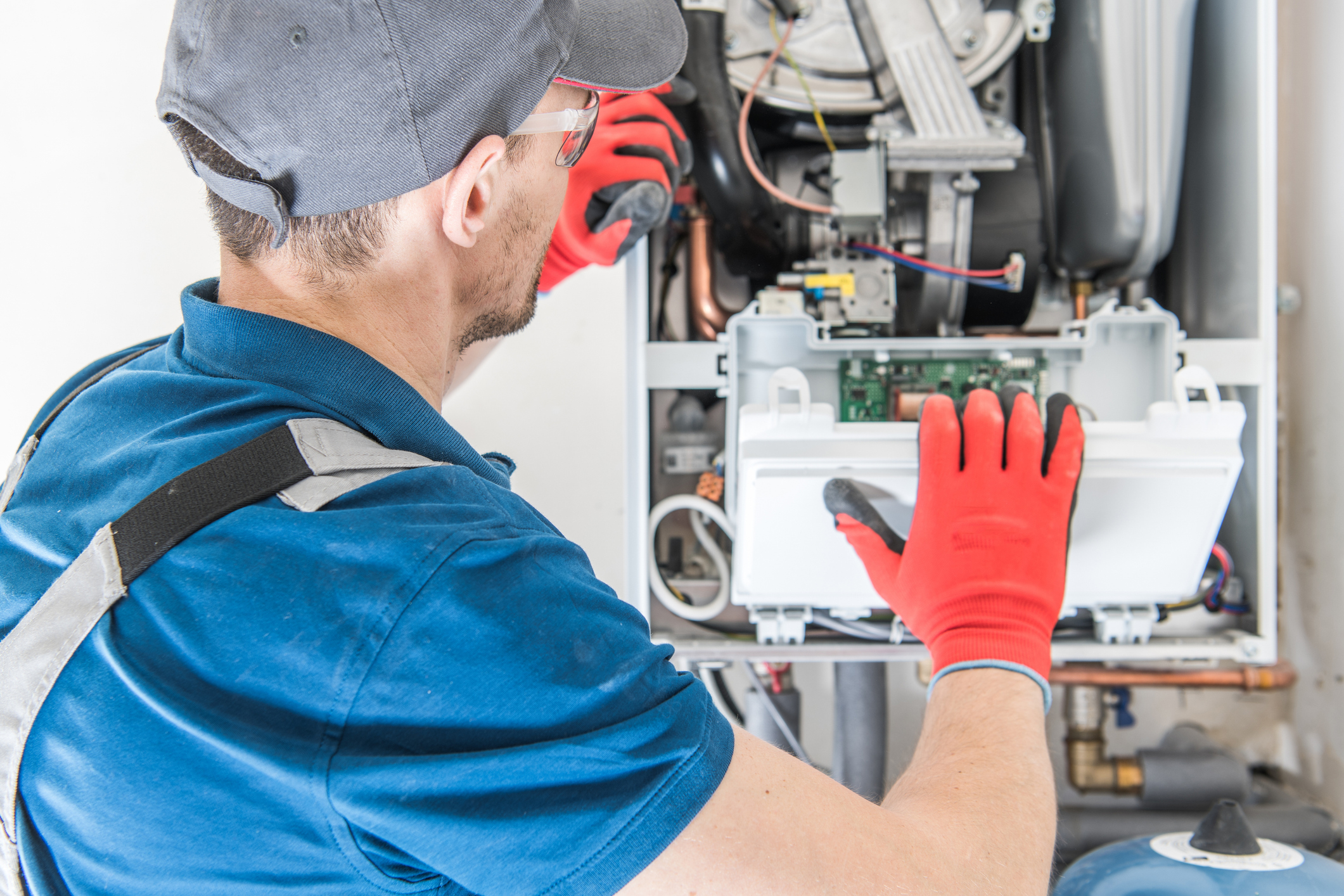
If short cycling continues after addressing these common issues, it could point to more complex electrical or refrigerant problems. That is when it becomes especially important to have our technicians run a full diagnostic and rule out deeper system faults. A targeted repair can often fix the issue without needing a full replacement, especially when caught at the early stages.
Stay Cool and Efficient This Summer
Short cycling is more than just a small annoyance—it is a signal that your air conditioning system is not running the way it should. When left unsolved, this problem reduces comfort, increases wear, and spikes your energy bills. Whether the cause is a clogged filter, a misread thermostat, an undersized AC, or refrigerant problems, each issue has a clear solution when properly diagnosed.
Addressing short cycling right away means your home stays the pleasant, climate-controlled space it is meant to be during summer in Agoura Hills. You will not have to deal with hot spots in some rooms or high utility bills each month. Instead, you will have steady cooling and peace of mind knowing your system was handled correctly.
Catching problems before they grow gives you more options, usually saves money, and helps extend the life of your AC system. The earlier a professional looks at the issue, the easier it is to fix—and the more likely it is that you will get through the hottest months without interruption. Whether your system is showing signs of uneven cooling or constant cycling, taking action now helps avoid stress later when the heat is at its peak.
If your system is frequently turning on and off and failing to cool your home properly, Comfort Heroes can help resolve the issue with expert air conditioning repair in Agoura Hills. For a quick estimate or to book a service visit, please contact us today.