

Improving Home Ventilation for Better Air Quality in New York, NY: Effective Residential Solutions and Energy Efficiency

In New York, NY, better home ventilation isn’t just about comfort — it’s about health and savings. At Comfort Heroes, we provide practical, residential solutions that improve indoor air quality while keeping energy use in check. City homes commonly struggle with stale air, allergens, and urban pollutants, and those issues can affect comfort and respiratory health. Read on to learn how to spot common ventilation problems and which HVAC upgrades, maintenance practices, financing options, and local pros can help you breathe easier at home.
Many homeowners want clear, actionable steps they can take without a major renovation. We combine simple do-it-yourself checks and homeowner-friendly upgrade options with guidance on when to call a technician. Our aim is to give you practical, energy-conscious choices appropriate for small apartments, rowhouses, co-ops, and multi-family buildings common across New York, NY.
If you’re planning bigger upgrades, taking a strategic, retrofit-focused approach helps you balance efficiency gains with cost.
What Are the Common Home Ventilation Problems Affecting Air Quality in New York, NY?
Poor ventilation can seriously lower indoor air quality in city homes. Typical problems we see in New York, NY include limited fresh-air exchange, overly high indoor humidity, and buildup of indoor pollutants. Causes range from old or undersized ventilation systems to tight building envelopes and outdoor pollution. Recognizing these issues is the first step toward a healthier home.
Ventilation challenges vary by housing type. In older prewar apartments you may find minimal mechanical ventilation and leaky ducts, while newer, more airtight units can trap pollutants without an intentional fresh-air source. Small units that share walls or ducts with adjacent spaces can also see cross-contamination that reduces perceived air quality in living areas. Understanding your building type helps you pick fixes that balance ventilation with thermal and acoustic comfort.
How Does Poor Ventilation Impact Indoor Air Quality and Health?
When airflow is inadequate, indoor pollutants like dust, mold spores, and volatile organic compounds (VOCs) can concentrate inside your home. That increase can trigger allergies, worsen asthma, and contribute to other respiratory complaints. Studies consistently link low ventilation rates with higher risks of respiratory conditions — so keeping air moving and filtered is essential for household health.
Indoor pollutant sources are often everyday items: cooking, cleaning products, new furniture, personal care products, and hobby materials all emit gases or particulates. Moisture from showers and cooking also feeds biological growth. Effective ventilation reduces pollutant concentrations and dilutes intermittent emissions, which is particularly important in homes with young children, older adults, or occupants with respiratory sensitivities.
Research repeatedly shows that managing indoor air matters a lot for occupants’ well-being, particularly in dense urban settings.
What Signs Indicate Inefficient Air Exchange in Your Home?
Common clues that your home isn’t exchanging air effectively include:
• Stale Odors: Lingering musty or stale smells often mean air is trapped and could indicate mold hidden in damp areas.
• Condensation: Frequent moisture on windows or walls points to high indoor humidity — a recipe for mold and mildew.
• Allergy Symptoms: If allergy or asthma symptoms spike indoors, poor ventilation and trapped pollutants may be the cause.
Spotting these signs early helps you choose the right fixes before small problems become costly.
Practical checks you can do yourself include: briefly opening windows to confirm whether odors dissipate quickly, inspecting visible areas for mold or water stains, and noting whether certain activities (cooking, showering) cause persistent humidity or condensation. For more thorough checks, a technician from Comfort Heroes can test airflow, measure relative humidity, and assess duct sealing. Documenting when symptoms or signs occur (time of day, activity) can help our pros diagnose intermittent ventilation issues more quickly.
Which HVAC Fresh Air Systems Improve Residential Ventilation Effectively?

The right HVAC equipment can make a big difference. Fresh-air systems are designed to bring clean outdoor air inside while exhausting stale air — improving comfort and cutting pollutant levels without wasting energy.
How Do Heat Pumps and Mechanical Ventilation Enhance Fresh Air Intake?
Heat pumps move heat efficiently for heating and cooling and pair well with ventilation systems to reduce energy use. Mechanical ventilation devices — like energy recovery ventilators (ERVs) and heat recovery ventilators (HRVs) — actively swap indoor and outdoor air while filtering and tempering incoming air. That keeps airflow steady and comfortable, even when windows stay closed.
When pairing heat pumps with ventilation equipment, consider system layout and ducting. Centralized ventilation integrates with existing ducts to serve multiple rooms, while decentralized or in-wall units are useful for targeted ventilation in apartments or rooms without duct access. Proper installation and balancing are key: even an efficient device will underperform if ducts are leaky or intakes are poorly located.
What Are the Benefits of Heat Recovery Ventilators for New York, NY Homes?
Heat recovery ventilators (HRVs) deliver clear, practical benefits for city homes:
• Energy Efficiency: HRVs transfer heat between outgoing and incoming air, lowering the load on your heating and cooling systems.
• Improved Air Quality: They provide continuous fresh air and help remove indoor pollutants — a big advantage in urban settings.
• Humidity Control: By balancing moisture transfer, HRVs can reduce the risk of mold and uncomfortable humidity swings.
Those features make HRVs a smart option when outdoor air quality or weather makes open-window ventilation impractical.
Choosing between HRVs and ERVs depends on indoor humidity priorities: HRVs are often preferred in cold, dry climates where heat recovery is the priority, while ERVs transfer some moisture and can be better when balancing humidity is important. In New York, NY’s variable climate, our installers typically evaluate seasonal humidity and your home’s envelope before recommending one type. Filter selection and placement also affect performance and maintenance frequency.
Energy recovery systems play an important role in both better indoor air and measurable energy savings.
How Can Energy Efficient Ventilation Reduce Your Home Energy Bills?
Energy-smart ventilation helps lower utility costs by improving air exchange while easing the burden on heating and cooling equipment. When systems pre-condition incoming air and run with smart controls, you spend less energy keeping your home comfortable.
What Are the Latest Energy Saving Technologies in Home Ventilation?
Today’s energy-saving ventilation features include:
• Smart Ventilation Controls: Automatically adjust airflow based on occupancy and air-quality sensors to avoid wasting energy.
• Variable Speed Fans: Run at the speed you need — quieter and more efficient than single-speed fans.
• Zoned Ventilation Systems: Deliver fresh air to occupied rooms only, cutting unnecessary ventilation in unused spaces.
Adding these upgrades can improve comfort while trimming energy use.
In practice, integrating smart controls with timed schedules and sensor feedback reduces run time during low-occupancy periods and increases ventilation during higher-use windows (cooking, showering, or when occupants are home). Variable speed fans reduce noise and allow systems to operate continuously at low power, which can maintain good air quality with less energy than frequent high-speed cycling.
How Does Proper Ventilation Contribute to Sustainable Energy Use?
Good ventilation is part of a sustainable home strategy: it reduces reliance on heating and cooling, lowers energy consumption, and shrinks your carbon footprint over time. Choosing efficient equipment and controls is an effective way to protect both your budget and the environment.
Consider ventilation as one element in a holistic retrofit: sealing obvious leaks in windows and doors, adding insulation where appropriate, and improving appliance ventilation all work together to reduce heating and cooling loads. When you reduce overall demand, even modest ventilation upgrades deliver better performance and a clearer return on investment in energy savings.
What Maintenance Practices Ensure Optimal Performance of Home Ventilation Systems?
Routine upkeep keeps ventilation systems running efficiently. Skipping maintenance can reduce airflow, raise energy use, and shorten equipment life.
How Often Should HVAC Ventilation Systems Be Serviced?
Plan for at least one professional service visit per year with Comfort Heroes to check performance, clean components, and catch small issues like clogged filters or duct leaks before they escalate.
Between professional visits, homeowners can perform several low-effort checks: inspect and replace filters as recommended, clear debris from outdoor intakes, test that exhaust fans operate when expected, and look for signs of condensation or unusual odors near vents. These simple checks reduce strain on systems and help our technicians focus on underlying issues during scheduled maintenance.
What Are the Key Components of an Effective Maintenance Program?
Core maintenance steps include:
• Filter Replacement: Replace filters about every 3 months (or per manufacturer guidance) to maintain airflow and trap dust and allergens.
• Duct Cleaning: Clean ducts every 1–2 years as needed to remove dust, pollen, and mold spores and help systems run smoothly.
• System Inspections: Annual inspections catch mechanical wear, airflow imbalances, and other issues early so you avoid surprises.
Regular care prolongs equipment life and keeps indoor air healthier.
For filter replacement, keep a simple log noting the date and filter type; higher-efficiency filters or homes with pets may need more frequent service. When scheduling professional duct cleaning or inspections, request a written summary of findings and photos where applicable so you can track recurring issues. Proper recordkeeping makes future assessments and decisions about upgrades easier and more transparent.
How Do Financing Options and Promotions Make Ventilation Upgrades Affordable?
Updating ventilation systems can be a smart investment — and financing or promotional offers from Comfort Heroes make that investment easier to manage. Many providers work with homeowners to spread costs or take advantage of rebates.
What Flexible Financing Plans Are Available for New York, NY Homeowners?
Homeowners often have several ways to fund upgrades:
• Low-Interest Loans: Spread the cost over time to make larger upgrades more affordable.
• Incentive Programs: Local or state rebates and tax incentives can reduce upfront expenses for energy-efficient equipment.
• Payment Plans: Many HVAC companies, including Comfort Heroes, offer tailored payment options to fit household budgets.
These choices help homeowners move forward without a large one-time expense.
When evaluating financing, compare total repayment amounts, any prepayment terms, and whether the offer includes installation, warranty, or maintenance services. Some programs bundle equipment and installation into a single payment plan or link incentives directly to qualifying upgrades. Ask us for examples of past projects to understand typical timelines and documentation needed to secure any available rebates.
How Can Promotions Help You Upgrade to Energy Efficient Ventilation?
Promotions — from seasonal discounts to manufacturer rebates — can lower the price of energy-efficient systems. Keep an eye on current promotions offered by Comfort Heroes to maximize savings when you upgrade.
Promotional offers often change with seasonality and inventory, so collecting multiple written quotes helps you compare true costs and included services. Confirm whether promotions apply to labor, parts, or both, and check the timeline for claiming rebates or incentives so your project remains eligible.
Why Choose Local HVAC Experts for Improving Home Ventilation in New York, NY?
Local HVAC teams at Comfort Heroes know New York, NY buildings, codes, and the specific ventilation challenges city homes face. That local knowledge leads to better, longer-lasting solutions and faster service when you need it.
What Advantages Do Certified Technicians Offer for Ventilation Solutions?
Our certified technicians bring training and code familiarity to every install and service. Their expertise ensures equipment is sized and installed correctly, helping your system perform safely and efficiently.
Ask us about our experience with projects like yours: condos, multifamily buildings, or standalone homes. A technician familiar with your building type is more likely to spot common constraints (for example, shared risers or limited mechanical rooms) and propose solutions that avoid costly rework.
How Does Personalized Service Enhance Your Home Air Quality?
Our local experts typically provide hands-on assessments and tailored recommendations — not one-size-fits-all fixes. That personalized approach results in solutions that match your home’s layout, family needs, and budget.
During an assessment, expect our technician to review your current system, inspect ductwork and vents, measure basic airflow where feasible, and discuss occupant concerns. A clear, written proposal will outline recommended components, estimated timelines, maintenance expectations, and available warranty coverage so you can compare options confidently.
What Are the Best Indoor Air Exchange Methods for New York, NY Residences?
Several effective methods maintain good indoor air exchange in city homes. The right choice depends on your building type, outdoor air quality, and comfort needs.
How Do Mechanical and Natural Ventilation Compare in Urban Homes?
Mechanical ventilation delivers predictable, controlled airflow regardless of outdoor conditions, while natural ventilation relies on open windows and passive vents. In dense urban areas — or during extreme weather or pollution events — mechanical systems typically provide more reliable, cleaner ventilation.
Natural ventilation can still be useful: quick cross-ventilation during low-pollution periods will dilute indoor contaminants at no energy cost. However, mechanical solutions are preferable for continuous ventilation, filtration, and moisture control — especially when outdoor air quality or safety concerns make open windows undesirable.
What Role Does Indoor Humidity Control Play in Air Quality?
Managing humidity is central to healthy indoor air. High humidity encourages mold and dust mites; low humidity can irritate airways and dry out surfaces. Modern ventilation and recovery systems help stabilize indoor moisture for a healthier, more comfortable home.
Simple humidity control steps include running exhaust fans during and after showers, using range hoods while cooking, and employing portable dehumidifiers in persistently damp areas. For whole-home control, coordinated ventilation with humidity sensors prevents both overshoot and under-ventilation, keeping conditions within a comfortable range.
How Can Smart Ventilation Controls Optimize Your Home’s Air Quality and Efficiency?
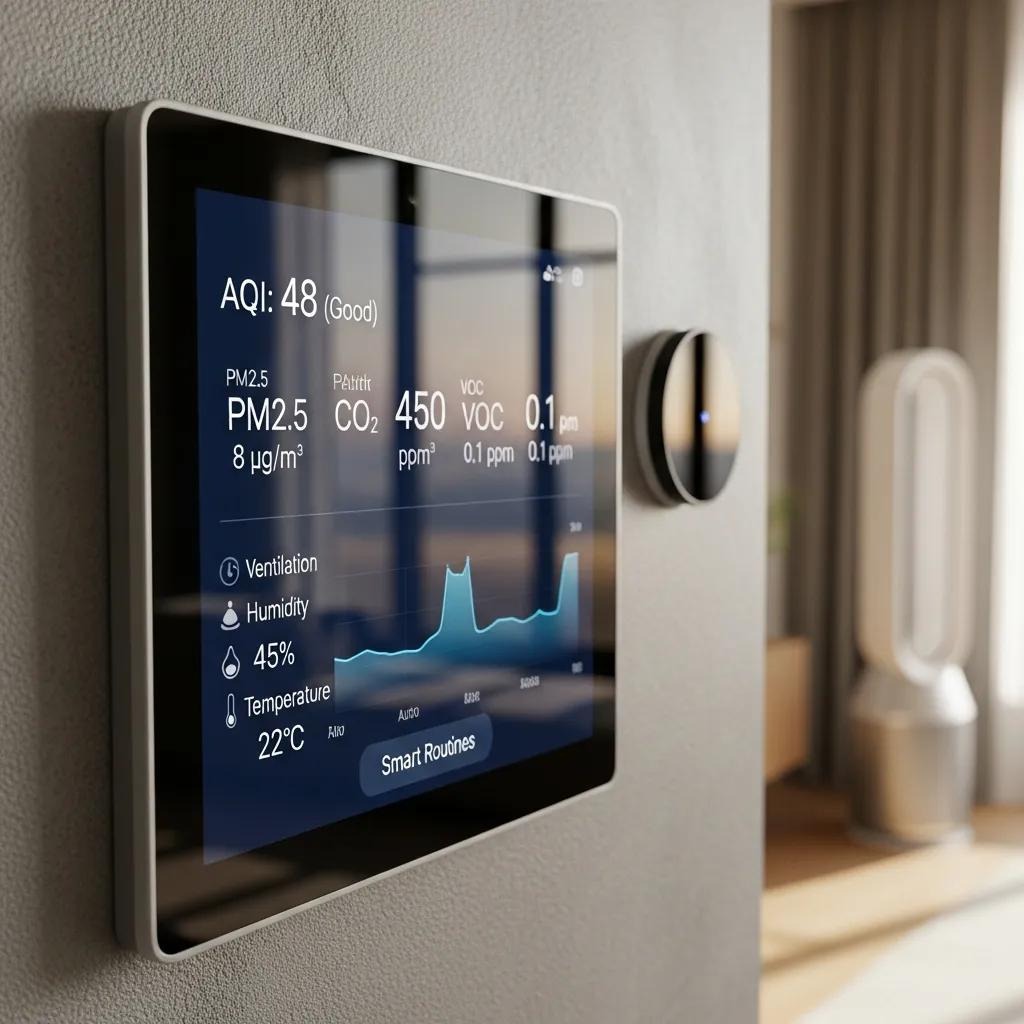
Smart ventilation controls make managing indoor air easier and more efficient. They let your system respond to real conditions — not a fixed timer — which improves comfort and reduces energy waste.
What Features Do Smart Ventilation Systems Offer?
Smart ventilation solutions commonly include:
• Automated Controls: Adjust airflow based on real-time air quality and occupancy to avoid unnecessary runs.
• Remote Monitoring: Control and check system status from a smartphone for convenience and peace of mind.
• Integration with Home Automation: Work with other smart systems for coordinated comfort and energy management.
These features give homeowners precise control and measurable efficiency gains.
Common sensors used with smart controls include CO2, particulate (PM2.5) monitors, and humidity sensors. A control strategy might increase ventilation when CO2 indicates many occupants or when PM sensors detect cooking particulates, then return to a low-energy baseline when conditions normalize. Integration with thermostats and occupancy sensors helps ensure ventilation complements heating and cooling schedules rather than working against them.
How Do Automated Controls Improve Energy Efficiency and Comfort?
By modulating ventilation to match occupancy and air-quality needs, automated controls cut wasted runtime and lower utility costs. At the same time, they keep indoor air consistently comfortable for everyone at home.
Automated controls also support staged operation: running at low continuous rates most of the time, then briefly increasing flow after high-emission activities. That approach prevents large swings in temperature and humidity while minimizing overall energy use compared with constant high-speed operation.
• Filter Replacement — Frequency: Every 3 months — Importance: Ensures optimal airflow and air quality by trapping dust and allergens
• Duct Cleaning — Frequency: Every 1-2 years — Importance: Reduces allergens, dust, and potential mold buildup, improving system efficiency
• System Inspection — Frequency: Annually — Importance: Identifies potential issues early to maintain system performance and longevity
The table above summarizes how common systems and features translate into everyday benefits for indoor air and energy use.
• Filter Replacement — Frequency: Every 3 months — Importance: Ensures optimal airflow and air quality by trapping dust and allergens
• Duct Cleaning — Frequency: Every 1-2 years — Importance: Reduces allergens, dust, and potential mold buildup, improving system efficiency
• System Inspection — Frequency: Annually — Importance: Identifies potential issues early to maintain system performance and longevity
Keeping up with these routine tasks helps your ventilation system run efficiently and protects indoor air quality over the long term.
Take the First Step Toward Cleaner Air and Lower Energy Bills
Upgrading your ventilation with Comfort Heroes can make your New York, NY home healthier and more energy efficient. By recognizing common problems, choosing the right HVAC solutions, and staying on top of maintenance — plus using our available financing options — you can protect indoor air and save energy. Ready to get started? Contact Comfort Heroes today to schedule a consultation and take the first step toward cleaner air and lower bills.

Service Areas
Our service areas encompass a wide range of locations, ensuring that we can meet the needs of our clients wherever they are. From bustling urban centers to serene suburban neighborhoods, we are committed to providing top-notch services tailored to each community.