

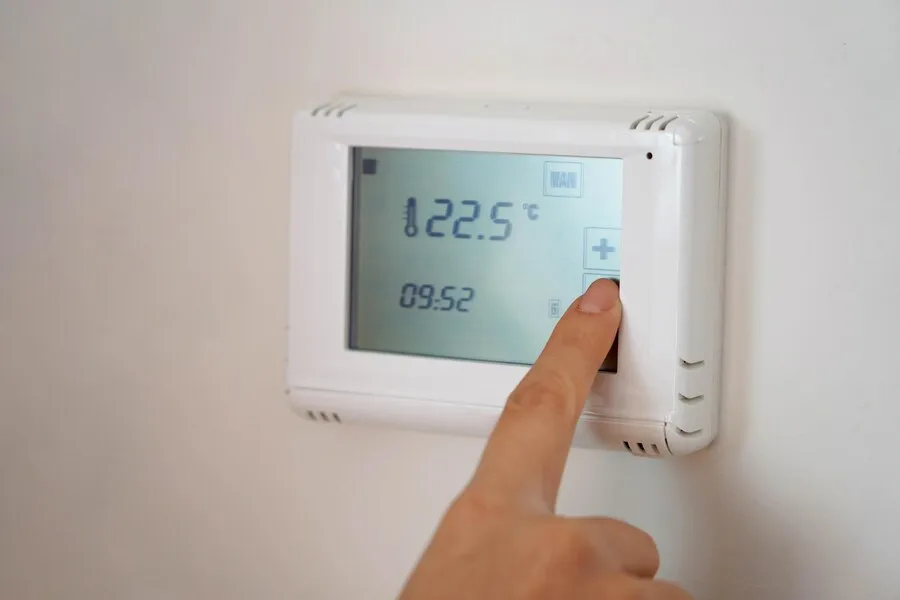
When your HVAC system isn’t keeping your home as cool as it should during Thousand Oaks’ hot August days, the thermostat is one of the first places to check. Even the newest air conditioning systems won’t work right if the thermostat is misreading temperatures or sending the wrong signals. It may seem like a small device, but it plays a major role in keeping indoor temperatures steady and your energy use on track.
Most homeowners think of the thermostat as a simple control switch, but there’s more to it. Behind that display screen are sensors, connections, and programming that all need to be running correctly. When one part goes wrong, it can make your home feel uncomfortable, push your system to work harder, and lead to more wear and tear. A broken thermostat may also lead you to believe there’s something wrong with your entire HVAC system, which is why proper diagnosis matters.
Common HVAC Thermostat Issues
Thermostat problems can show up in different ways. Sometimes the air doesn’t kick on when it should. Other times the temperature inside doesn’t line up with what it’s set to. These problems can be easy to overlook, especially in a busy household. But if they’re left unchecked, they tend to lead to bigger system problems down the road. Here are some of the most common thermostat trouble spots homeowners in Thousand Oaks face:
1. Battery Problems
When the thermostat uses batteries, low power can cause blank screens or delayed responses. You might notice the display fading, settings resetting, or the system not responding to changes. If it runs on batteries, changing them once a year can help avoid these disruptions.
2. Wiring Issues
Loose or corroded wires inside the wall can stop the thermostat from sending the correct signal. This might show up as short cycling, or the HVAC system not turning on at all. These issues are not visible from the outside, which is why our professionals are needed to examine them.
3. Calibration Errors
If the thermostat sensor isn’t reading temperature correctly, it can cause the system to run too long or not long enough. That leaves rooms either too hot or too cold. One example is setting the thermostat to 72, but it still feels warm in the afternoon. That’s a sign the reading inside the unit could be off.
4. Sensor Malfunctions
A faulty sensor may give inconsistent readings or completely shut down part of the thermostat’s function. You could experience sudden temperature swings or an HVAC system that doesn’t regulate properly. These issues often need specific tools to test and resolve the problem fully.
Sometimes homeowners may run into more than one of these issues at once, especially if the thermostat hasn’t been maintained or is outdated. The good news is that these early signs are your system’s way of pointing out that something needs attention and catching it quickly can save time and reduce system strain later.
Diagnosing Thermostat Malfunctions
It’s helpful to take a closer look at the thermostat itself. In many cases, a few basic checks can reveal whether the issue is with the thermostat or something else in the HVAC system. Homeowners in Thousand Oaks can avoid unnecessary system strain by paying attention to small signs early.
Start with a visual inspection. Look for any obvious damage, loose wires near the panel, or a blank or flickering screen. If the thermostat is older, dirt or dust buildup behind the faceplate can lead to sensor problems or delayed responses. Removing the cover and doing a light dusting with a soft cloth can sometimes help.
Make sure the settings are right. It’s easy for a thermostat to be accidentally switched to the wrong mode or have programmed times out of sync with your daily schedule. Check that it’s set to cool, and the target temperature is below current room temperature. If your thermostat allows scheduling, review the programmed times to ensure it matches your needs throughout the day.
You can also perform a quick test. Set the temperature several degrees lower and listen for the system to click on. If nothing happens, the problem may lie with the thermostat’s connection to the system. No response, long delays, or incorrect system startup is a clear sign that it’s time to bring in our professionals to investigate further.
When To Call Our Professionals
Some issues are easy to spot, but others are hidden behind the wall or inside the device. If you keep adjusting your thermostat without seeing results, or if you’ve noticed ongoing problems that basic steps haven’t fixed, it’s time to reach out.
Here’s when thermostat issues need professional attention:
– You’ve replaced batteries or cleaned the device, but the problem keeps coming back.
– The thermostat screen goes blank even after reset attempts.
– Room temperatures don’t match the setting on the thermostat.
– Different parts of the house feel too warm or too cold.
– The HVAC system won’t start, or it short cycles.
Persistent electrical issues, like a failing control board or bad wiring, aren’t something to troubleshoot without the right tools and training. Our technicians are equipped to safely open the system, run voltage tests, check system communication, and confirm whether repair or replacement is the best path forward. Technology has changed; some older models simply can’t keep up with how today’s HVAC equipment operates. When that’s the case, getting the right equipment installed is key to better comfort and energy use.
Preventive Measures To Avoid Future Issues
A few small habits can go a long way in preventing thermostat problems from coming back. Maintenance doesn’t require much time, but it can catch potential issues before they affect your comfort.
Use these tips to keep your thermostat running smoothly:
– Replace the batteries once a year, or sooner if the display begins fading.
– Keep the area around the thermostat clean and free of dust.
– Don’t hang artwork or place furniture that blocks airflow near the device.
– Avoid adjusting the temperature up and down frequently as it can wear out internal parts faster.
– Have it checked during your HVAC system’s regular maintenance visit.
Keeping up with these simple tasks helps make sure your system can respond accurately to changes. It also prevents your HVAC unit from overworking due to bad signals or poor readings. When left unchecked, small thermostat issues can play a big role in long cooling cycles, higher bills, or indoor discomfort.
Stay Cool and In Control
A working thermostat does a lot more than change numbers on a screen. It’s at the heart of your home’s climate control. From managing the cycles of your cooling system to keeping every room comfortable during hot days, it makes a big difference in how well everything works. When it starts acting up, it throws your whole system off, usually causing the HVAC unit to run harder and longer than it should.
Addressing thermostat malfunctions early saves time and avoids larger issues later. Whether it’s a sensor that’s out of sync, wiring that’s come loose, or an outdated model that no longer communicates with modern units, knowing what to look for and when to get help is key. With the right attention and guidance from our technicians, your home in Thousand Oaks stays comfortable and efficient all summer long.
If your thermostat is acting up or your system isn’t performing as it should, now is the time to rely on professional support from Comfort Heroes, offering dependable HVAC repair in Thousand Oaks to keep your home comfortable and your system running smoothly. For a quick estimate or to book a service visit, please contact us today.

Service Areas
Our service areas encompass a wide range of locations, ensuring that we can meet the needs of our clients wherever they are. From bustling urban centers to serene suburban neighborhoods, we are committed to providing top-notch services tailored to each community.