

Living in Thousand Oaks, you rely on your HVAC system to keep your home comfortable throughout the year. But what happens when your trusted system starts making an unsettling whistling sound? This high-pitched noise can be more than just a minor annoyance; it may indicate underlying issues affecting your system’s performance and efficiency. Ignoring these sounds can lead to higher utility bills and potentially expensive repairs down the line.
Addressing unusual noises early on ensures your home stays comfortable and energy-efficient. The whistling sound from your HVAC can often be traced back to issues that homeowners can troubleshoot with a bit of guidance. Understanding the common causes and when to seek professional assistance helps keep your system running smoothly. Here’s what you need to know about those bothersome whistling sounds and how to tackle them.
Understanding the Whistling Sound
Several factors can contribute to your HVAC making a whistling noise. Typically, these sounds are the result of airflow issues within the system. HVAC systems rely on smooth and unimpeded airflow to operate efficiently. When this flow is disrupted, such as by obstructions or leaks, your system can begin to whistle like a kettle on a stove.
One common issue is the ductwork. If there are gaps, punctures, or loose connections in the duct system, air escapes, causing a whistling sound. Similar problems arise when the return vents are blocked or partially closed, affecting the airflow pattern. Additionally, overly restrictive filters that are too dirty or incorrectly sized can also impede airflow, leading to an unsettling whistling noise from your vents.
Common Causes of Whistling HVAC Systems
Understanding what causes these noises can help you take the proper steps to quiet your system and keep it running efficiently. Here are some of the most frequent culprits:
– Blocked Air Filters: Dirty air filters restrict airflow and can create pressure imbalances that cause whistling sounds.
– Duct Leaks: Gaps or loose connections in the ductwork allow air to escape and can lead to whistling noises.
– Incorrect Fan Settings: If the fan speed is set too high, it can increase air pressure and cause whistling.
– Return Vent Obstructions: Ensure that return vents aren’t blocked by furniture or other items, as blockages can alter airflow and create noise.
By identifying these common issues, you can better address and prevent whistling sounds in your HVAC system. Proper maintenance and routine inspections help avoid these disruptions and maintain your home’s comfort. Stay alert to these potential causes, and don’t hesitate to address any concerning noises promptly.
Troubleshooting Steps for Homeowners
When your HVAC system begins making a whistling noise, there are a few steps you can take to address potential issues. Start by ensuring that air filters are clean and free from debris, as blocked filters often cause airflow problems. Regularly replacing or cleaning these filters can help prevent future occurrences of these noises.
Additionally, examine the vents and grills in your home. Make sure they are not obstructed by furniture or other objects. Blocked vents can significantly impact airflow, leading to pressure imbalances that cause whistling sounds. Open the vents fully to allow for unrestricted air movement throughout your home.
While some tasks are manageable on your own, duct leaks and fan settings require a bit more expertise. Check for any visible gaps or loose connections in your ductwork. A simple approach is to feel for airflow in areas where it should not be present, which may indicate leaks. Adjusting fan settings can be intricate, so review your HVAC system’s manual before making changes, or consult a professional for assistance. Here’s a quick checklist for homeowners:
– Replace or clean air filters regularly.
– Ensure vents and grills are open and unobstructed.
– Check for airflow indicating possible duct leaks.
– Adjust fan settings based on the system manual.
When to Seek Professional Help
Certain issues require the expertise of a trained technician. If after troubleshooting, the whistling persists, it’s time to consider professional intervention. Continuous, unexplained noises could signal more serious problems that jeopardize your system’s efficiency and your comfort at home.
Look for signs such as reduced performance, an increase in energy bills, or temperature inconsistencies across different rooms. These indicators often suggest underlying problems that need more in-depth inspection and repair. Faulty or improperly sized components, complex ductwork issues, or motor problems are best left to expert hands.
Regular maintenance not only resolves immediate problems but also extends your HVAC system’s lifespan. Our professionals can conduct thorough checks, address any concerning noises, and recommend solutions tailored to ensure optimal performance. Keeping your HVAC system in peak condition guarantees a comfortable and efficient home environment, which is particularly critical in Thousand Oaks where maintaining a pleasant indoor climate is paramount.
Ensure Quiet and Efficient HVAC Performance
Wrapping it up, addressing those odd whistling sounds promptly can save you from larger issues down the road. By understanding the common causes and taking immediate action, you can prevent disruptions and costly repairs. Keep an eye on your HVAC system’s performance, and never hesitate to reach out for professional assistance when necessary.
Scheduling regular maintenance checks is a proactive way to maintain system efficiency and longevity. This practice not only resolves potential problems before they escalate but also keeps your home comfortable year-round. Protect your investment and enjoy peace of mind knowing your HVAC system is in capable hands, ensuring it operates quietly and effectively throughout the seasons.
If you are noticing persistent issues and want to prevent costly repairs, our technicians advise looking into HVAC repair in Thousand Oaks to keep your system operating efficiently and quietly, and for a quick estimate or to book a service visit, please contact us today.

Service Areas
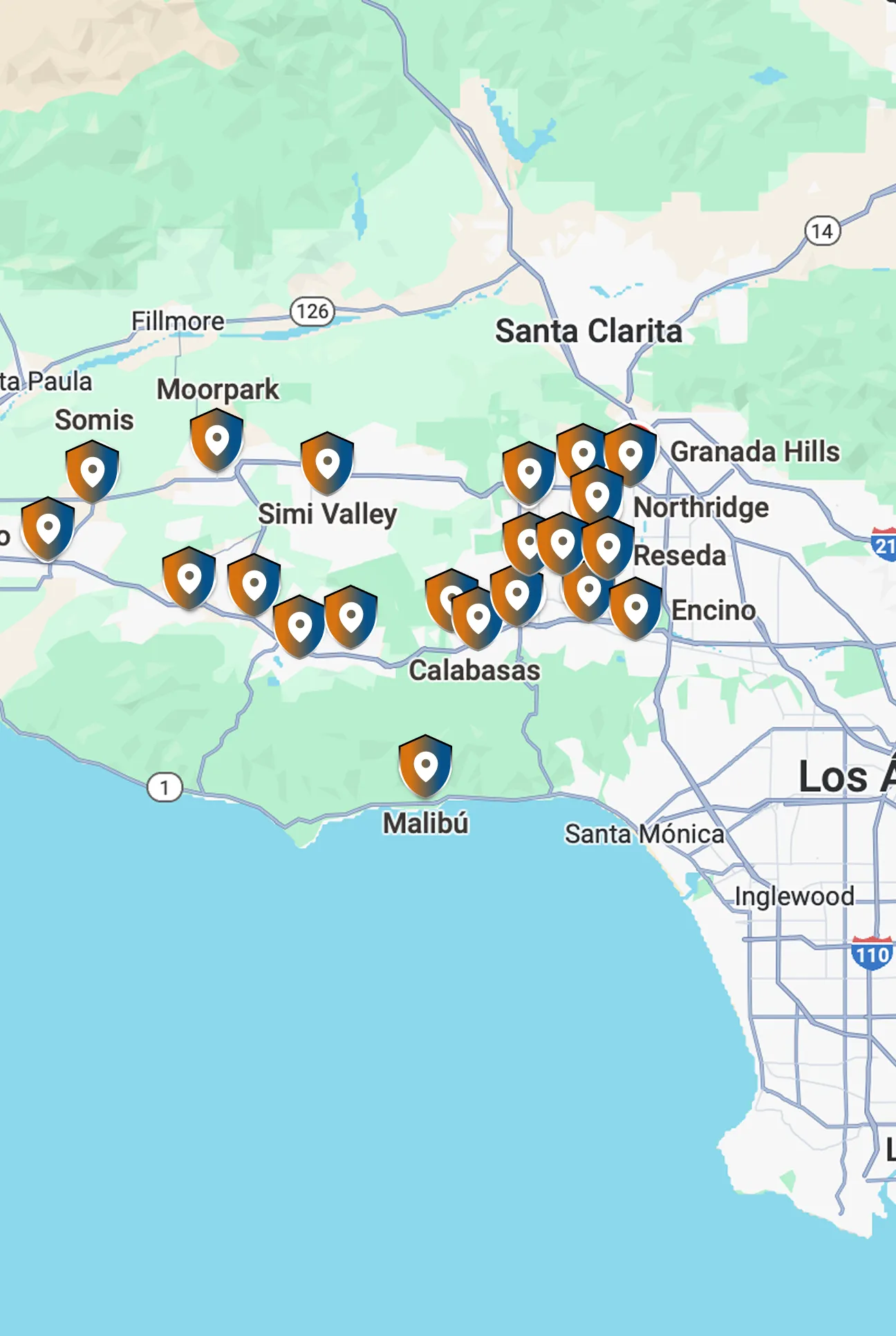
Our service areas encompass a wide range of locations, ensuring that we can meet the needs of our clients wherever they are. From bustling urban centers to serene suburban neighborhoods, we are committed to providing top-notch services tailored to each community.