Why Your HVAC in Thousand Oaks Smells Like Burning Dust: A Fall Transition Guide
The October Shift: Navigating the Transition from Cooling to Heating
When you fire up your furnace for the first chilly night of the season and a harsh odor fills the hallway, finding reliable home maintenance tips and troubleshooting advice becomes an immediate priority. In our years serving the Conejo Valley, our team at Comfort Heroes has seen firsthand that the transition from summer to mid-fall in Southern California is rarely a smooth glide. October often brings extreme temperature fluctuations, forcing homeowners to run their air conditioning during an 85-degree afternoon and switch over to heating when temperatures plummet into the 40s overnight. This sudden demand on dormant heating equipment frequently results in an alarming burning smell that leaves many residents wondering if their system is safe to operate.
For comprehensive support through this seasonal shift, whether you need full HVAC services or are still relying on your air conditioning solutions to get through midday heatwaves, professional help ensures your equipment runs safely. Shutting down your cooling components and firing up heating elements that have sat idle for over half the year requires your system to shift gears dramatically. Ignoring the initial signs of strain or strange odors during this October shift can lead to poor indoor air quality, reduced efficiency, and unnecessary wear on vital internal components.
The unique stress of the Southern California climate:
• Rapid cycling: Switching between cooling and heating in the same week prevents the system from settling into a steady operational rhythm.
• Dormancy issues: Heating components like burners and heat exchangers sit completely unused from April through September, collecting a thick layer of household debris.
• Airflow restrictions: Summer cooling often maxes out the lifespan of standard air filters, leaving the system starved for air right as heating season begins.
Navigating this transition safely means understanding exactly what is happening inside your ductwork and equipment when you flip that thermostat switch to "heat" for the very first time.
Decoding the Odor: Why Your Heater Smells Like Burning Dust
The first time you turn on your furnace in mid-fall, a distinct, slightly acrid smell will likely circulate through your vents. While this odor often causes immediate panic, understanding the mechanics behind it can provide peace of mind. Throughout the long summer months, while your air conditioner was working overtime, the heating components of your HVAC system were sitting idle. During this extended dormancy, standard household particles—including pet dander, cooking oils, dead skin cells, and microscopic fabric fibers—naturally settle on the surface of the furnace's heat exchanger and burners.
When the thermostat finally calls for heat in October, those internal components rapidly heat up to temperatures exceeding several hundred degrees. The accumulated layer of organic debris literally fries and burns off the metal surfaces. The blower motor then pushes that newly heated air, along with the temporary smoke and odor of the incinerated dust, directly into your living spaces. This is why your heater smells like burning dust; it is a physical burn-off process that our technicians encounter during early fall service calls in almost every home across the region.
Identifying Normal vs. Hazardous Furnace Odors
While the burning dust phenomenon is standard, it is critical to distinguish between a harmless, temporary burn-off and a hazardous mechanical failure. Not all smells are created equal, and knowing the difference can protect your property.
• Hair-like burning dust — Typical Cause: Accumulated summer debris burning off the heat exchanger. — Required Action: Normal. Allow the system to run for 1-2 heating cycles; open a window for ventilation.
• Acrid burning plastic — Typical Cause: A foreign object in the ductwork or melting wire insulation. — Required Action: Hazardous. Shut the system down immediately at the thermostat and breaker.
• Electrical ozone (metallic) — Typical Cause: An overheating blower motor or failing electrical capacitor. — Required Action: Hazardous. Turn off the power immediately and contact a licensed professional.
• Rotten eggs (sulfur) — Typical Cause: A natural gas leak near the furnace burners or supply line. — Required Action: Emergency. Evacuate the home, call the gas company, and request emergency service.
A normal dust smell should dissipate entirely within 30 to 60 minutes of continuous operation. If the odor persists beyond a few heating cycles, grows stronger, or sets off your smoke detectors, it is no longer a standard seasonal issue and requires immediate professional evaluation.
Santa Ana Winds and Wildfire Ash: Defending Your Home's Air Quality
As local HVAC experts, we know firsthand that homeowners in Thousand Oaks face environmental challenges that go far beyond standard seasonal changes. The unique topography of the Conejo Valley acts as a natural funnel for the Santa Ana winds. These high-pressure weather systems originate in the Great Basin, rushing down through the mountain passes, compressing, and heating up as they descend into Southern California. By the time these winds hit residential neighborhoods, they are incredibly dry, fast-moving, and loaded with microscopic dust.
During the fall, these winds frequently overlap with local wildfire season. This combination severely impacts residential air quality. Wildfire ash is composed of ultra-fine particulate matter (known as PM2.5), which is small enough to bypass standard fiberglass HVAC filters entirely. When standard filters fail to capture this ash, the abrasive particles are drawn directly into your blower motor, coating internal components and recirculating hazardous air throughout your bedrooms and living spaces. The rapid degradation of your filter during a high-wind event can restrict airflow so severely that it causes the furnace to overheat and shut down prematurely.
Defending your home requires upgrading your filtration strategy. Standard 1-inch filters are designed to protect the equipment from large debris, not to protect your lungs from fine ash. High-efficiency pleated filters with a higher MERV rating are essential for capturing fine particulate matter from local environmental factors. For homes particularly vulnerable to seasonal allergens and ash, we highly recommend installing dedicated indoor air quality systems—such as whole-home air purifiers or heavy-duty media cabinets. These provide a robust defense against extreme local air quality spikes, ensuring the air circulating through your home remains clean and safe regardless of the weather outside.
Safe Fall Preparation: Essential Steps for Homeowners
Our team always emphasizes that proactive preparation is the best way to ensure a smooth transition into the heating season. While internal technical work must be left to licensed professionals, there are several safe, non-invasive steps you can take to prepare your system for the October shift. Establishing a basic visual inspection routine helps identify obvious issues before they cause a breakdown on a cold night.
1. Clear the exterior unit perimeter: Even though you are transitioning to heat, your outdoor heat pump or AC compressor still needs adequate airflow. Fall winds often blow leaves, branches, and debris against the exterior fins. Safely clear a two-foot perimeter around the entire unit to ensure unrestricted airflow.
2. Inspect all indoor vents and registers: Walk through every room in your house and check the supply and return vents. Over the summer, furniture, rugs, or drapes may have been moved, inadvertently blocking airflow. Ensure all vents are fully open and unobstructed to prevent pressure imbalances in your ductwork.
3. Test your thermostat programming: As the days get shorter, your cooling schedule will no longer match the outdoor climate. Adjust your programmable or smart thermostat settings to align with the fall temperature drops, ensuring the system isn't fighting against the natural cooling of the house.
4. Perform a test run early in the day: Do not wait until a freezing night to turn on the heat. Pick a mild morning to switch the thermostat to heat, bump the temperature up a few degrees, and listen for the system to engage. This allows you to monitor the initial burn-off smell safely and verify operation while our service technicians are readily available during normal business hours.
The Pre-Startup Filter Check
The single most important homeowner task is the pre-startup filter check. Locate your primary return filter grille or the filter slot near the furnace cabinet. Assess the existing filter for heavy summer dust buildup. After months of combating high temperatures and early fall winds, the filter is likely compacted with debris. Always replace it with a fresh, appropriately sized pleated filter before switching the thermostat to "heat" for the first time. A clean filter guarantees optimal airflow, prevents the furnace from overheating, and minimizes the amount of dust pushed into your living spaces.


Beyond the Filter: When to Trust a Licensed Technician
While changing your filter and clearing debris are excellent first steps, modern climate control systems are complex, high-voltage machines that require expert care. The strict boundary between homeowner maintenance and professional intervention exists for your safety. Internal components such as the heat exchanger, the gas burners, the ignition assembly, and the blower motor require precise calibration and specialized diagnostic tools.
It is not uncommon for older homes in the area to require extensive retrofitting to handle modern airflow needs safely. For example, during a recent project, our Comfort Heroes installation team helped a local homeowner convert an aging HVAC system into a modern zoned setup. Because the existing ducting and insulation were outdated and messy, we completely replaced the ductwork, cleaned the remaining lines, and installed new dampers and thermostats alongside soundproofing. After our expert fine-tuning, the system now works perfectly. This level of complex integration and safety testing simply cannot be achieved through DIY methods.
Attempting DIY maintenance on gas furnaces or high-voltage electrical components carries severe risks, including carbon monoxide exposure, electrical shock, and fire hazards. Furthermore, dirty ductwork or improperly zoned systems can drastically exacerbate dust circulation, requiring expert cleaning or retrofitting to resolve. If you hear unusual mechanical sounds during startup—such as grinding, squealing, or heavy thumping—shut the system down. Understanding the common causes of HVAC banging noises is helpful, but diagnosing and repairing them requires a licensed professional. Comfort Heroes is dedicated to providing heroic, reliable local service to rescue homeowners from poor indoor air quality and unsafe equipment operation.
Long-Term Reliability: Securing Peak Efficiency Before Winter
Proactive maintenance is an investment in both your comfort and your home's overall energy efficiency. Routine fall tune-ups are specifically designed to catch minor wear and tear before it escalates into a catastrophic failure during the colder months. When a licensed technician cleans the burners, lubricates moving parts, and verifies the integrity of the heat exchanger, they are actively restoring the system's ability to transfer heat efficiently.
There is a direct correlation between a well-maintained system, improved airflow, and reduced energy consumption. When a furnace struggles to pull air through a neglected blower or pushes against heavily soiled coils, it runs longer cycles and draws significantly more power. Resolving these recurring issues early drastically improves overall system efficiency.
In one recent instance, a local resident had endured continual breakdowns and repeated, unsuccessful repairs from previous contractors. After our Comfort Heroes technicians arrived, evaluated the system professionally, and performed comprehensive tuning, their units now run perfectly and operate significantly more efficiently, maximizing their energy savings. Enrolling in a structured preventative maintenance plan ensures your equipment receives this level of dedicated attention year-round, keeping your home comfortable and your system running at peak performance regardless of the season.
Frequently Asked Questions About Fall Climate Control
Why does my heater smell like burning dust when I turn it on?
The smell is caused by the physical burn-off of dust, pet dander, and household debris that settled on the furnace's heat exchanger during the summer. When the furnace ignites for the first time in mid-fall, these particles fry instantly, sending a temporary smoky odor through your vents. This is a normal process and the smell should completely dissipate within 30 to 60 minutes of operation.
How to prepare HVAC for fall in Southern California?
Start by clearing any leaves or debris from around your outdoor unit to ensure proper airflow. Next, replace your indoor air filter with a clean, high-quality pleated filter to handle the increased dust from seasonal winds. Finally, schedule a professional fall tune-up to have the internal components, electrical connections, and safety sensors inspected before the cold weather sets in permanently.
How do Santa Ana winds affect my air conditioning and heating?
Santa Ana winds drive massive amounts of dry dust, dirt, and potential wildfire ash directly toward your home's exterior. This fine particulate matter can rapidly clog standard HVAC filters, severely restricting airflow and forcing the blower motor to work harder. In extreme cases, this restricted airflow can cause the furnace to overheat or the air conditioner coils to freeze over.
What happens if you don't change your AC filter after ash season?
Leaving a filter clogged with wildfire ash in your system forces the blower motor to strain against a solid wall of debris, which can lead to premature motor failure. Additionally, the restricted airflow causes the heat exchanger to retain too much heat, potentially triggering the system's high-limit safety switch and shutting the furnace down entirely. It also allows fine ash to bypass the filter and circulate into your breathing air.
How often should I service my HVAC in Thousand Oaks?
You should have your HVAC system professionally serviced twice a year. Schedule a cooling tune-up in the spring to prepare the air conditioner for intense summer heat, and a heating tune-up in the early fall to prepare the furnace for the sudden temperature drops of winter. Bi-annual maintenance ensures optimal efficiency and validates most manufacturer warranties.
Is a burning plastic smell from the heater dangerous?
Yes, a burning plastic or acrid electrical smell is highly dangerous and is not a normal part of the fall startup process. This odor usually indicates melting wire insulation, an overheating electrical component, or a foreign object caught in the heating chamber. If you smell burning plastic, turn off the system immediately at the thermostat and call a licensed professional for emergency service.
Breathe Easier This Season with Professional Local Support
Navigating the transition from cooling to heating in the Conejo Valley requires more than just flipping a switch on your thermostat. Between the sudden temperature drops of mid-fall and the heavy influx of dust from seasonal winds, your system faces unique environmental stresses. Taking safe, proactive steps—like changing your filter and clearing exterior debris—goes a long way in protecting your equipment from unnecessary strain.
True peace of mind comes from knowing your heating system is clean, safe, and operating at peak efficiency. You shouldn't have to worry about whether a burning smell is harmless dust or a serious hazard, nor should you have to compromise on the air quality inside your own home. Ensure your family stays comfortable and breathes easier this season by scheduling a comprehensive professional inspection with our team to prepare your system for the months ahead.

Service Areas
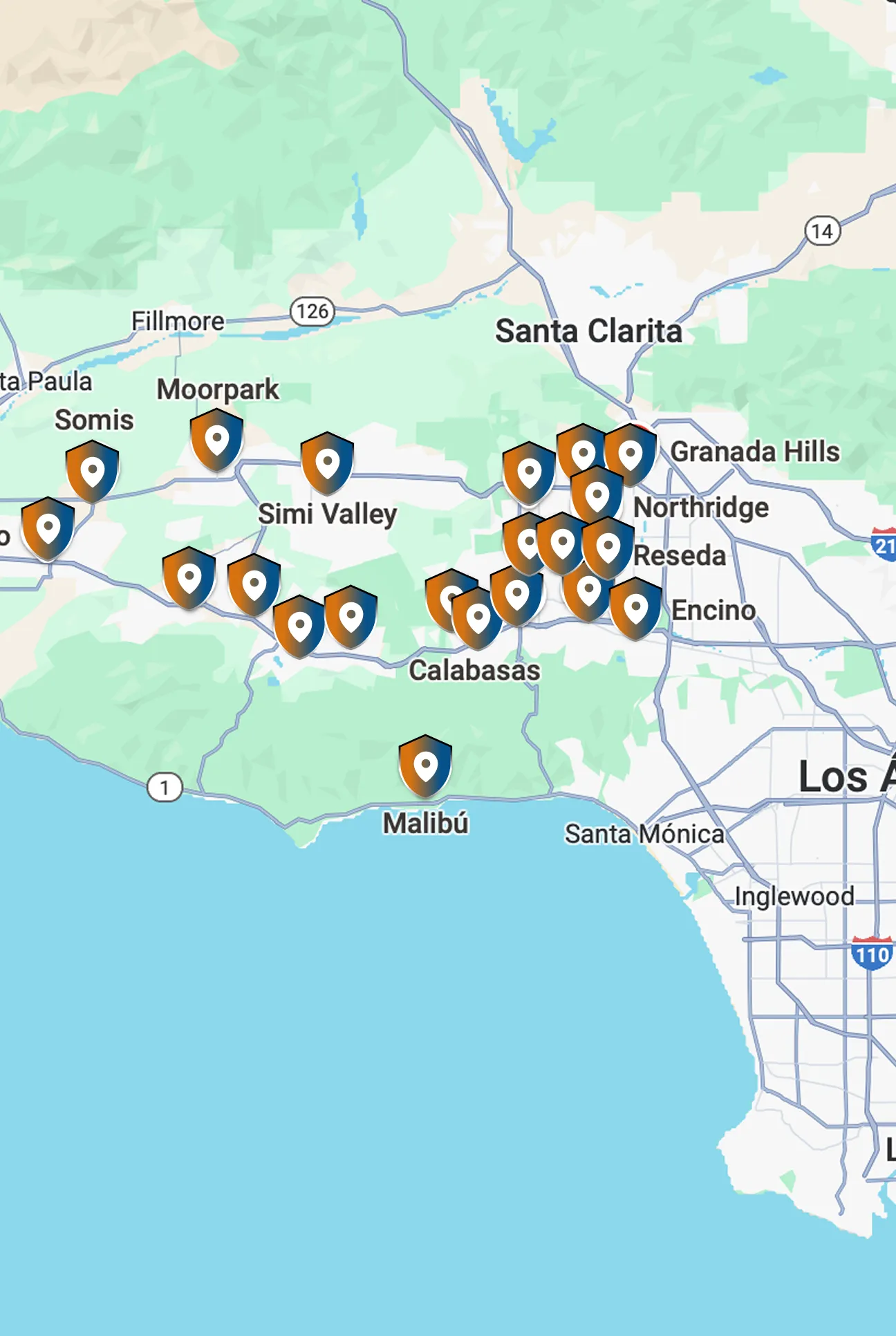
Our service areas encompass a wide range of locations, ensuring that we can meet the needs of our clients wherever they are. From bustling urban centers to serene suburban neighborhoods, we are committed to providing top-notch services tailored to each community.