


Indoor Air quality is a core factor in health, comfort, and building performance for homes and businesses. Poor indoor air can cause allergy flare-ups, headaches, infection risk, sleep disruption, or reduced productivity in commercial spaces.
Why Indoor Air Quality matters
Indoor spaces concentrate allergens, particulate matter, volatile organic compounds (VOCs), mold spores, and excess humidity - often at levels higher than outdoors. People who are young, elderly, immunocompromised, or sensitive to allergens are particularly affected. Improving Indoor Air quality reduces symptoms, lowers absenteeism, protects HVAC equipment, and can extend the life of furnishings by preventing mold and dust buildup.
Common Indoor Air quality issues
- Allergens and biological contaminants: pollen, dust mites, pet dander, mold spores on surfaces and in ducts.
- Particulate pollution: PM2.5 and PM10 from cooking, combustion, smoking, or outdoor infiltration.
- Chemical pollutants: VOCs from paints, cleaning products, new furnishings, and off-gassing building materials.
- Excess or insufficient humidity: high humidity encourages mold; low humidity causes dry skin, static, and respiratory irritation.
- Poor ventilation and elevated CO2: stale air, odors, and concentration problems in sealed or poorly ventilated buildings.
- HVAC-related problems: dirty coils and filters, leaky ducts, or improperly balanced systems that spread contaminants.
Assessment and testing services
A thorough Indoor Air quality assessment begins with a walkthrough and occupant interview to document symptoms, odor observations, and problem locations. Common diagnostic steps include:
- Air sampling for particulates (PM2.5/PM10) using particle counters to quantify airborne load.
- Allergen and mold testing with spore traps or culture-based swabs to identify biological contaminants.
- VOC testing with photoionization detectors or sorbent tubes to measure chemical concentrations.
- CO2 and ventilation performance monitoring to determine fresh-air delivery and occupancy impacts.
- HVAC inspection: filter condition, coil cleanliness, duct leaks, and airflow measurements (static pressure and CFM).
- Surface sampling when visible mold or contamination is suspected.
Reports translate results into clear findings: what pollutants are present, their likely sources, and the recommended remediation or control measures. This targeted intelligence ensures solutions address root causes rather than symptoms.
Solutions and technologies
Indoor Air quality solutions are chosen to match the dominant problems identified in testing. Typical options include:
Filtration and purifiers
- High-efficiency whole-house filtration: filters rated MERV 13 or higher for residential systems capture fine particles; commercial settings may require higher ratings.
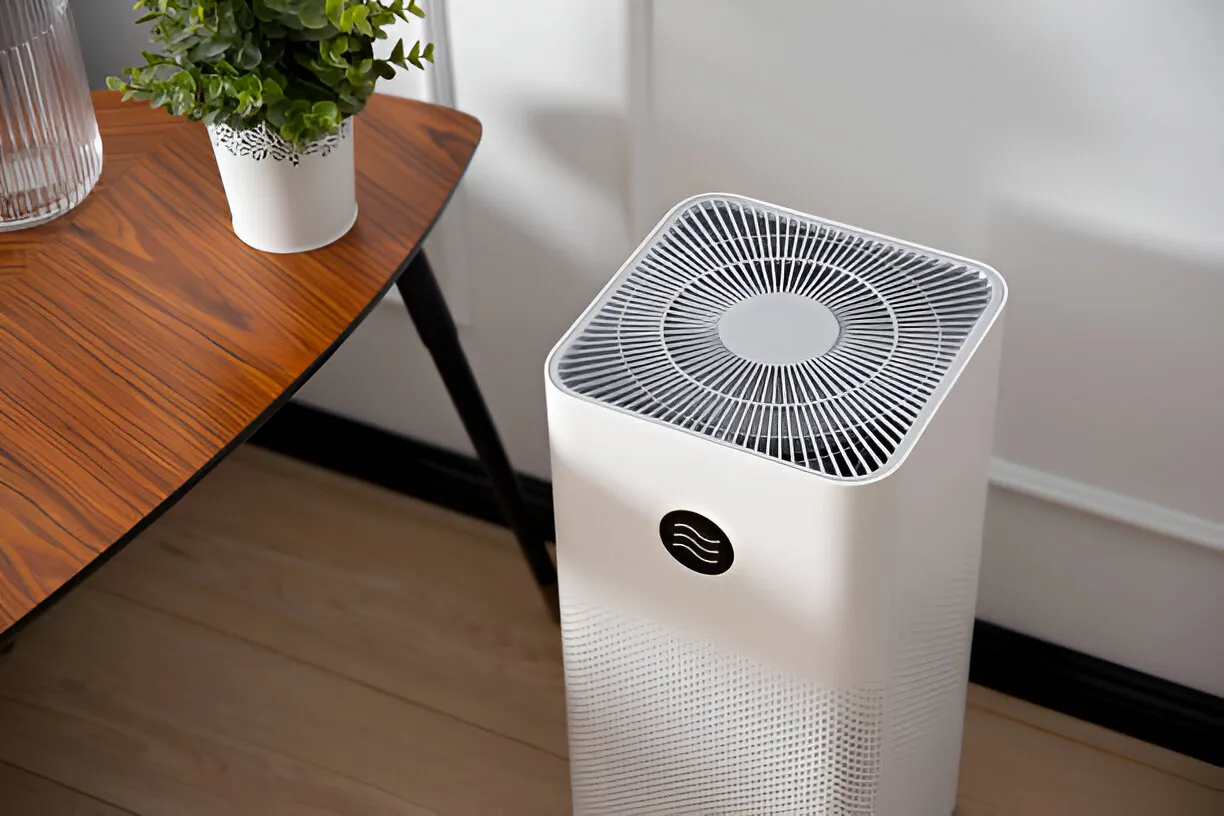
- Portable HEPA air purifiers: effective for targeted rooms to reduce PM2.5, pollen, and smoke.
- Activated carbon or combined filters: reduce odors and many VOCs when used alongside mechanical filtration.
UV and disinfection technologies
- UV-C lamps in HVAC coils and air handlers reduce microbial growth on coils and can inactivate airborne bacteria and viruses moving through the system.
- Upper-room UV systems may be used in high-risk commercial spaces for continuous air disinfection, applied where appropriate.
Humidity control
- Whole-house humidifiers: increase relative humidity during dry months to reduce respiratory irritation and static.
- Dehumidifiers and integrated whole-house systems: essential where humidity is persistently above recommended levels to prevent mold growth.
- Target humidity range guidance: typically 30-50% relative humidity for comfort and mold control.
Ventilation and air exchange
- Mechanical ventilation upgrades: energy recovery ventilators (ERVs) and heat recovery ventilators (HRVs) bring in filtered outdoor air while minimizing energy loss.
- Local exhaust solutions: kitchen and bath fans sized and vented properly to remove moisture and pollutants at the source.
Duct cleaning and sealing
- Duct cleaning removes settled dust, biological growth, and debris that contribute to poor Indoor Air quality.
- Duct sealing and insulation improves system efficiency, reduces infiltration of unconditioned air, and prevents contaminants from entering living spaces.
How a professional IAQ plan is implemented
- Diagnostic phase: testing and system inspection to identify pollutants and their sources.
- Strategy design: match technologies (filtration, UV, ventilation, humidity control) to results, building type, and occupant needs.
- Installation and retrofits: upgrade filters, install purifiers or UV systems, balance ventilation, or retrofit humidification/dehumidification as needed.
- Verification: post-installation testing to confirm reductions in target pollutants and proper system operation.
- Documentation: provide maintenance schedules and monitoring recommendations so benefits persist.
Maintenance and ongoing monitoring
Indoor Air quality improvements require routine upkeep:
- Replace mechanical filters according to manufacturer guidelines; high-efficiency filters often need more frequent checks in dusty environments.
- Replace UV lamps annually or per manufacturer life expectancy and keep lamp housings clean.
- Maintain humidifiers and dehumidifiers: clean reservoirs, change pads, and inspect drain lines to prevent microbial growth.
- Schedule periodic duct inspections and cleaning if contamination is suspected or occupants remain symptomatic.
- Consider continuous monitors for CO2, PM2.5, or humidity in spaces where ongoing measurement is valuable.
Choosing the right IAQ strategy
Select an IAQ approach based on these considerations:
- Primary concern: allergies, mold, VOCs, odor, or occupancy-driven CO2/ventilation issues.
- Building type: single-family home, multi-unit building, school, or commercial office each have different ventilation and filtration needs.
- HVAC compatibility: determine if the current system can support higher-rated filters or if a standalone solution is more practical.
- Occupant sensitivity and health needs: prioritize HEPA filtration and aggressive source control where occupants have severe allergies or respiratory conditions.
- Energy and maintenance trade-offs: ERV/HRV systems balance ventilation with energy efficiency; whole-building solutions usually require planned maintenance.
Health, comfort, and long-term benefits
Effective Indoor Air quality management reduces allergy and asthma triggers, lowers infection risk in shared spaces, improves sleep and cognitive function, and protects building assets from moisture-related damage. A validated assessment followed by targeted solutions and a realistic maintenance plan delivers sustained improvements in comfort and well-being for occupants.
A professional IAQ assessment and tailored treatment plan turn measurements into action, with technology choices matched to real test results and occupant needs. That approach ensures you address the right problems efficiently and maintain healthy indoor environments over the long term.

Service Areas
Our service areas encompass a wide range of locations, ensuring that we can meet the needs of our clients wherever they are. From bustling urban centers to serene suburban neighborhoods, we are committed to providing top-notch services tailored to each community.