

Mini-Split Service in Thousand Oaks, CA
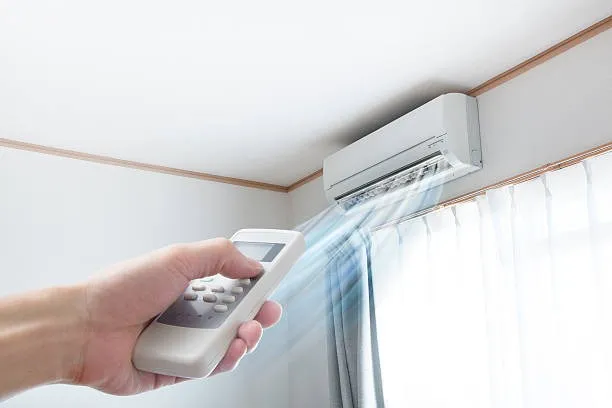
An installed ductless mini-split system is a practical, efficient way to heat and cool individual rooms or whole-home additions without the cost and disruption of ductwork. Mini-splits and multi-zone configurations give precise zone control, quieter operation, and often higher seasonal efficiency than traditional forced-air systems. This page explains how mini-splits work, when they are the right solution for retrofit or addition projects, how systems are sized and installed, what to expect for controls and maintenance, and how to troubleshoot common issues.
Why choose a mini-split
- Ductless zoning: Heat or cool only the rooms you use, reducing wasted energy and improving comfort in additions, finished basements, or older homes with no existing ducts.
- Low installation impact: Indoor heads connect to an outdoor compressor with small refrigerant lines and a 3 inch wall penetration, avoiding major drywall or framing work.
- Improved air quality: Built in filtration on indoor units reduces dust and allergens compared with old duct systems.
- Quiet, efficient operation: Modern inverter compressors modulate speed to match load, cutting cycling losses and delivering consistent temperatures.
Common mini-split project types
- Retrofit single-room solutions for living rooms, bedrooms, or home offices
- Multi-zone systems serving multiple rooms or an entire small house with one outdoor unit and several indoor heads
- Additions or sunrooms where extending ducts is impractical
- Supplemental heating in homes with uneven warmth or limited central system capacity
System selection and sizing
Proper sizing is critical. Oversized systems short cycle and reduce efficiency; undersized systems struggle to meet comfort needs. Selection considers:
- Room square footage and ceiling height
- Insulation levels and window area
- Orientation and solar gain
- Local climate and heating versus cooling priorities
A professional load calculation (Manual J or equivalent) gives the best result. As a general guide, modern mini-splits use BTU ratings per head matched to room needs, while outdoor units are sized for the combined load of all indoor heads with attention to capacity limits and line set lengths.
Key equipment features to consider:
- Inverter compressor for variable speed operation and higher seasonal efficiency
- SEER and HSPF ratings for cooling and heating performance
- Multi-zone capability for the number of indoor units you need
- Manufacturer support and warranty and availability of compatible indoor models
Typical installation steps
- Site survey and load calculation to determine equipment and placement.
- System selection including outdoor unit and indoor head models, refrigerant line lengths, and controls.
- Permitting if required by local codes.
- Mounting indoor heads on walls or ceilings in strategic locations to promote even airflow.
- Installing outdoor unit on a level pad or bracket with adequate clearance for airflow and service access.
- Running refrigerant lines, drain, and power through a small wall penetration; line sets are insulated and routed to minimize visual impact.
- Evacuation and charging of refrigerant and electrical connections.
- System startup, configuration, and balancing, including matching indoor head capacities and setting timers and modes.
- Owner orientation on controls, filter care, and basic troubleshooting.
Indoor and outdoor unit placement guidance
- Place indoor heads where air can flow across the room without obstruction, typically high on a wall or recessed into a ceiling. Avoid locating heads directly above heat sources or in tight corners.
- For multi-zone systems, spread heads to minimize overlapping airflow and ensure balanced loads.
- Outdoor compressors need firm, level support, clearance for service and airflow, and a location that minimizes noise to neighboring properties. Higher elevations and long line runs can affect capacity, so keep outdoor-to-indoor distances within manufacturer limits.
Controls and zoning options
- Individual remotes or wall controls on each indoor head provide room-level setpoints.
- Central controllers or wired thermostats allow scheduling and aggregation of zones.
- Smart connectivity with Wi Fi modules can enable remote control, energy reports, and integration with home automation systems.
- In multi-zone designs, balancing strategies and schedules help ensure efficient simultaneous operation without overloading the outdoor unit.
Energy efficiency advantages
Variable speed compressors and zone control reduce wasted energy by matching output to demand. Because mini-splits deliver conditioned air directly to the space, distribution losses associated with ducts are eliminated. In heating mode, many mini-split heat pumps perform well at moderate winter temperatures; cold-climate models are available with improved low temperature capacity and reliable defrost cycles.
Maintenance and filter care
Routine maintenance keeps performance high and protects warranty coverage:
- Clean or replace indoor unit filters every 1 to 3 months depending on use and air quality.
- Wipe indoor coils and condensate drip pans annually and confirm drain lines are clear.
- Keep the outdoor unit free of debris, leaves, and snow, and ensure airflow is not restricted.
- Schedule a professional inspection yearly to check refrigerant charge, electrical connections, and overall system condition.
Troubleshooting common issues
- Not cooling or heating properly: Verify mode and setpoint, clean filters, check for blocked airflow, and confirm thermostat settings. Persistent underperformance may indicate improper sizing or low refrigerant.
- Short cycling or frequent on off behavior: Often caused by oversized equipment, control issues, or a fault with the inverter compressor.
- Unusual noises: Rattles or vibration can come from loose mounts, improper bracketing, or debris in the outdoor unit. Clicking or electronic beeps may indicate communication faults between indoor and outdoor units.
- Frost or ice on the outdoor unit: Normal during defrost cycles in heating mode, but continuous icing can signal airflow restriction or refrigerant issues.
- Remote or smart control problems: Replace batteries, re sync remotes, and verify network settings for Wi Fi modules.
For most issues, start with basic checks like filters, power supply, and blockages. Refrigerant, electrical, and compressor repairs should be handled by certified technicians.
Cost and financing considerations
Mini-splits present cost variables tied to system size, number of zones, and installation complexity. Retrofit work is typically less invasive than duct installations but can include wall or ceiling work for head placement and electrical upgrades for the outdoor unit. When evaluating options consider:
- Long term energy savings from targeted zoning and efficient compressor technology
- Equipment warranties and expected service life
- Availability of high efficiency or cold-climate models if winter heating is a priority
Many homeowners finance equipment and professional installation through standard home improvement financing or energy efficiency programs. Compare lifetime operating costs as well as upfront expenses to determine real value.
Final notes on system suitability
Mini-splits work best when you need flexible, room by room control, minimal installation disruption, or efficient heating in homes without ducts. Proper sizing, thoughtful placement, regular maintenance, and correct system configuration are the keys to reliable comfort and long term efficiency. For multi-zone living spaces or retrofit additions, a well designed mini-split delivers comfortable, quiet, and energy conscious climate control.

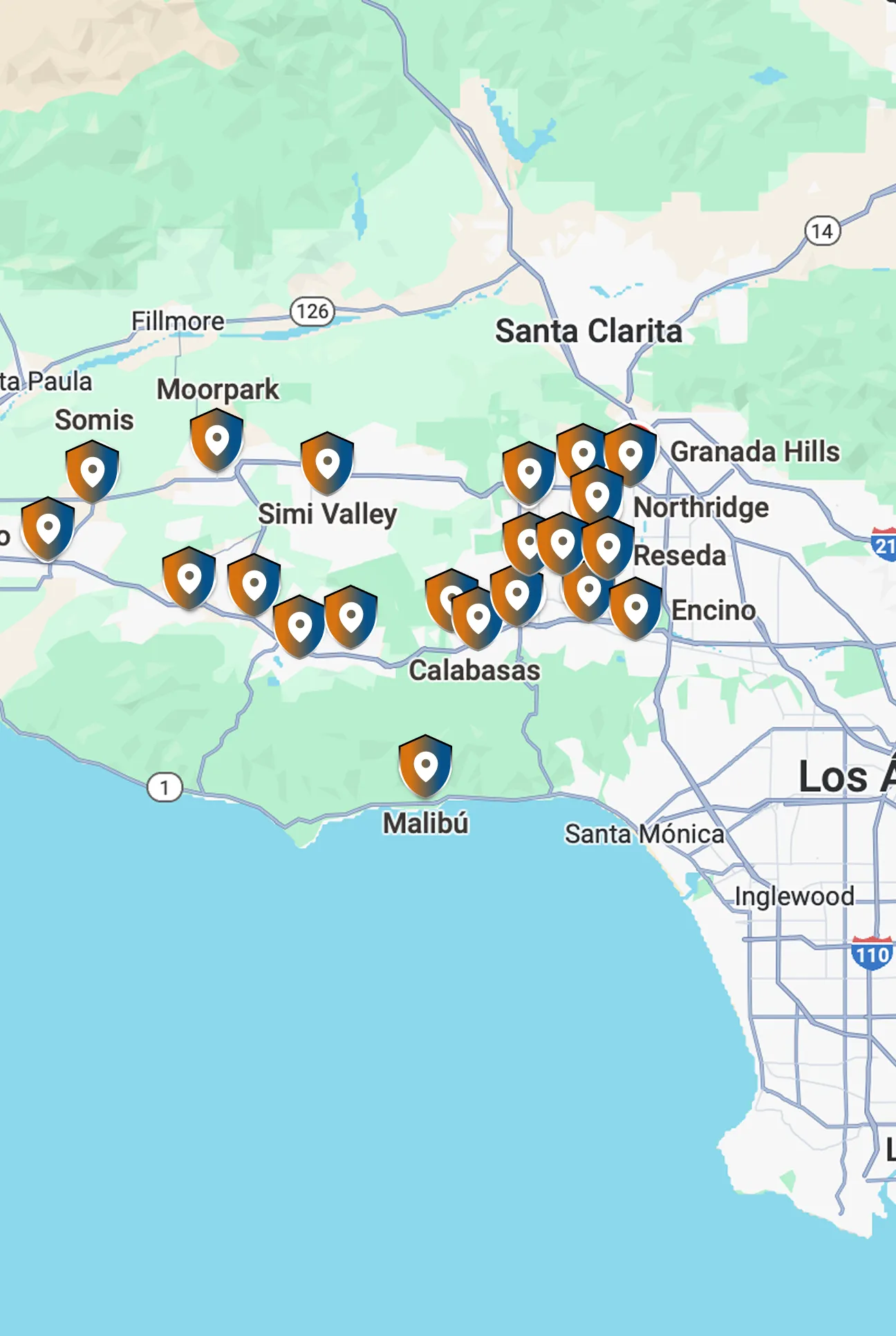
Service Areas
Our service areas encompass a wide range of locations, ensuring that we can meet the needs of our clients wherever they are. From bustling urban centers to serene suburban neighborhoods, we are committed to providing top-notch services tailored to each community.