

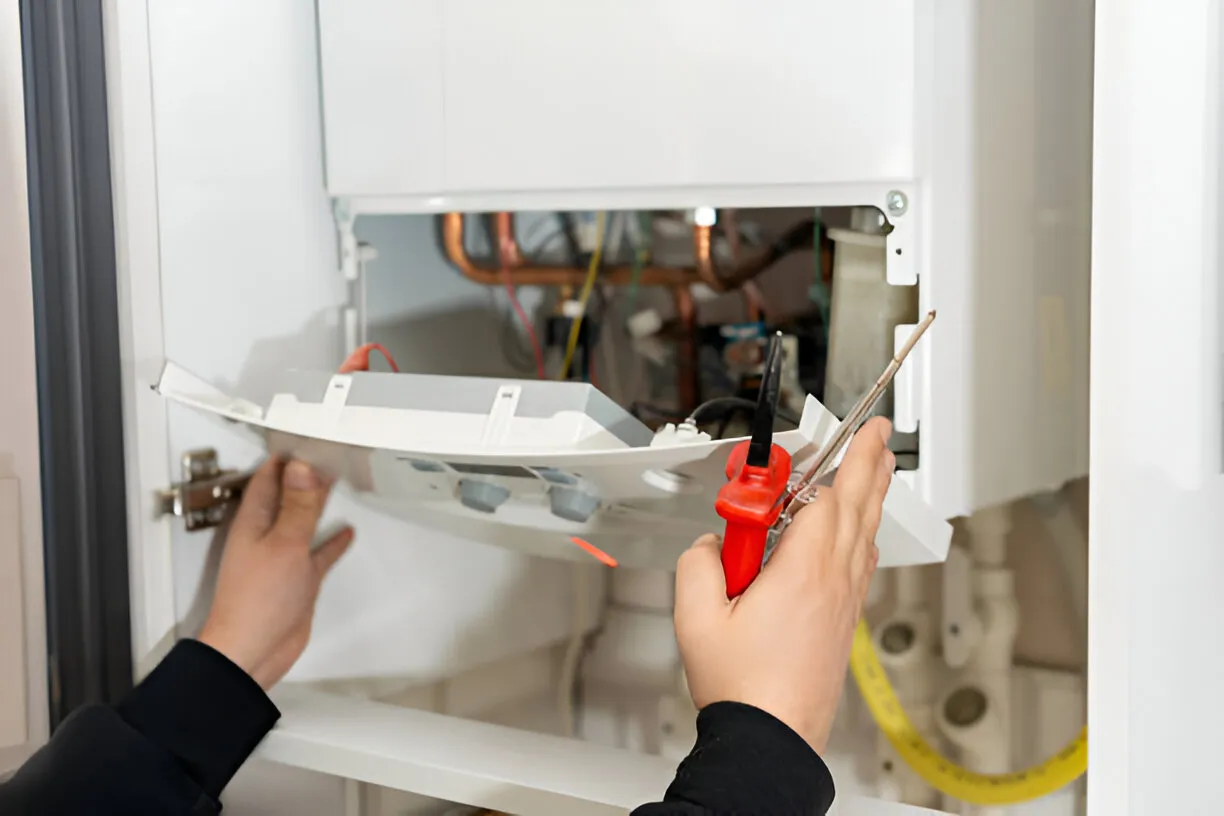
An efficient, reliable heating system is one of the most important components of a comfortable home. Whether you have a furnace, boiler, heat pump, or baseboard system, a professional heating service helps you keep systems running safely, extend equipment life, reduce energy bills, and avoid unexpected breakdowns during cold weather.
Common heating system types and typical problems
Understand your system to recognize problems early.
- Furnaces (gas, electric, oil): Common symptoms include no heat, short cycling, noisy operation, weak airflow, and pilot/ignition failures.
- Boilers (hot water or steam): Problems include leaks, pressure loss, cold spots, noisy operation, and circulating pump failures.
- Heat pumps: Reduced heating capacity in very cold weather, refrigerant leaks, defrost cycle issues, and compressor or reversing valve faults.
- Baseboard and radiant systems: Uneven heat, trapped air, or zone valve failures.
- Hybrid systems and zoned HVAC: Control or damper failure, thermostat mismatch, or balancing issues.
Common causes: dirty filters, failed ignition components, blower motor wear, thermostat errors, clogged burners, duct leaks, sediment in boilers, and neglected preventive maintenance.
Installation and replacement process
A proper installation lays the foundation for safe, efficient operation and predictable costs.
- Load calculation and sizing: Properly size equipment to your home using industry-standard heat loss calculations rather than relying on square footage alone. Oversized or undersized equipment leads to inefficiency and comfort problems.
- Equipment selection: Choose furnace, boiler, or heat pump type and efficiency level to match your fuel availability, budget, and performance goals.
- Fuel and venting considerations: Evaluate gas line capacity, venting or chimney condition, flue sizing, and combustion air requirements.
- Ductwork and piping: Inspect and modify ducts or piping for proper airflow and balanced system operation. Replace or seal leaky ducts to preserve efficiency.
- Permits and codes: Ensure installations meet local building and safety codes and include required combustion controls and venting.
- Startup and commissioning: Test system operation, verify thermostat calibration, check safety controls, and document efficiency and pressures.
Routine maintenance and safety inspections
Regular servicing protects equipment, preserves warranties, and prevents safety hazards.
- Annual tune-up checklist:
- Clean or replace air filters and inspect the filter housing.
- Inspect burners, heat exchanger, and combustion chamber.
- Check ignition system or pilot assembly for proper operation.
- Test safety devices and limit switches.
- Lubricate motors and moving parts where applicable.
- Inspect and test thermostats and controls.
- Check flue, chimney, and venting for blockages or corrosion.
- Flush sediment from boilers and test pressure/relief valves.
- Benefits of annual service: Better efficiency, fewer breakdowns, longer equipment life, and early detection of hazardous conditions like gas leaks or a cracked heat exchanger.
Common repairs and homeowner troubleshooting
Basic troubleshooting can help you determine whether a repair is simple or requires professional attention. Always prioritize safety and shut off fuel and power if you suspect a hazardous condition.
- No heat:
- Check thermostat settings and batteries.
- Replace clogged air filters.
- For gas systems, confirm gas supply and pilot/ignition status.
- Short cycling (system turns on and off rapidly):
- Clean or replace filters, check airflow, and verify correct equipment sizing.
- Strange noises:
- Rattling can indicate loose panels or ducts; banging may point to delayed ignition or air problems; whining often signals motor or fan issues.
- Uneven heating:
- Inspect ductwork for leaks or blocked vents, confirm zoning dampers are functioning, and consider rebalancing the system.
- Leaks or water around equipment:
- For boilers, check pressure, relief valves, and piping. For heat pumps and air handlers, inspect condensate drains.
- Carbon-monoxide alarm or suspicion of CO:
- Evacuate occupants, ventilate, and seek immediate professional evaluation before restarting any combustion appliance.
Fuel-type considerations
Choosing and maintaining the right fuel type affects operating cost, availability, and environmental impact.
- Natural gas: Common, efficient, and generally lower operating cost where available. Requires proper venting and regular burner inspection.
- Oil: Higher maintenance needs due to fuel storage and burner servicing; viable where gas infrastructure is absent.
- Electric resistance: Simple and low maintenance but typically higher operating cost; often used in smaller homes or as a backup.
- Heat pumps (electric): Highly efficient for many climates, especially when paired with supplemental heat for very cold conditions. Look at HSPF and SEER ratings.
- Propane: Similar to gas in performance but requires on-site storage and monitoring.
Efficiency ratings and cost-saving opportunities
Efficiency metrics and system choices influence long-term costs.
- Look for AFUE for furnaces and boilers, HSPF/SEER for heat pumps and air systems. Higher ratings mean better fuel-to-heat conversion.
- Reduce running cost by:
- Sealing and insulating ductwork and building envelope.
- Installing a programmable or smart thermostat and using setback schedules.
- Upgrading to variable-speed motors or modulating burners.
- Regular maintenance to preserve rated efficiency.
- Consider load-reduction measures: insulation, air sealing, window upgrades, and zoning to reduce hours of operation and energy waste.
Thermostat and zoning solutions
Control strategies that improve comfort and reduce waste.
- Programmable thermostats: Allow scheduled temperature setbacks to lower energy use when spaces are unoccupied.
- Smart thermostats: Learn patterns, support remote control, and integrate with home automation for optimized savings.
- Zoning systems: Use motorized dampers and multiple thermostats to direct heat where it is needed, improving comfort for different rooms and reducing overall fuel consumption.
- Best practice: Match control strategy to system capability. Zoning requires careful commissioning to avoid short cycling and maintain airflow.
Carbon-monoxide safety practices
Combustion heating systems require vigilance to protect occupants.
- Install CO detectors on every occupied level and near sleeping areas. Test monthly and replace according to manufacturer instructions.
- Have annual combustion appliance inspections, including heat exchanger checks on furnaces and flue integrity for boilers.
- Know CO symptoms: headache, dizziness, nausea, confusion, and flu-like signs without fever. If CO is suspected, leave the building and seek emergency services.
- Never ignore persistent soot, rusty burners, or a yellow burner flame on a gas appliance.
Warranties and financing options
Understand protection options and what to expect from manufacturers and service providers.
- Manufacturer warranties: Typically cover major components for a set period; follow maintenance requirements to keep warranties valid.
- Labor warranties: Service providers may offer limited labor warranties on repairs or installations for a specified timeframe.
- Extended protection: Extended or enhanced warranties can cover parts and labor beyond the standard term.
- Financing options: Many homeowners use installment plans or home improvement financing to spread the cost of replacement or upgrades. Review terms and understand interest and repayment schedules.

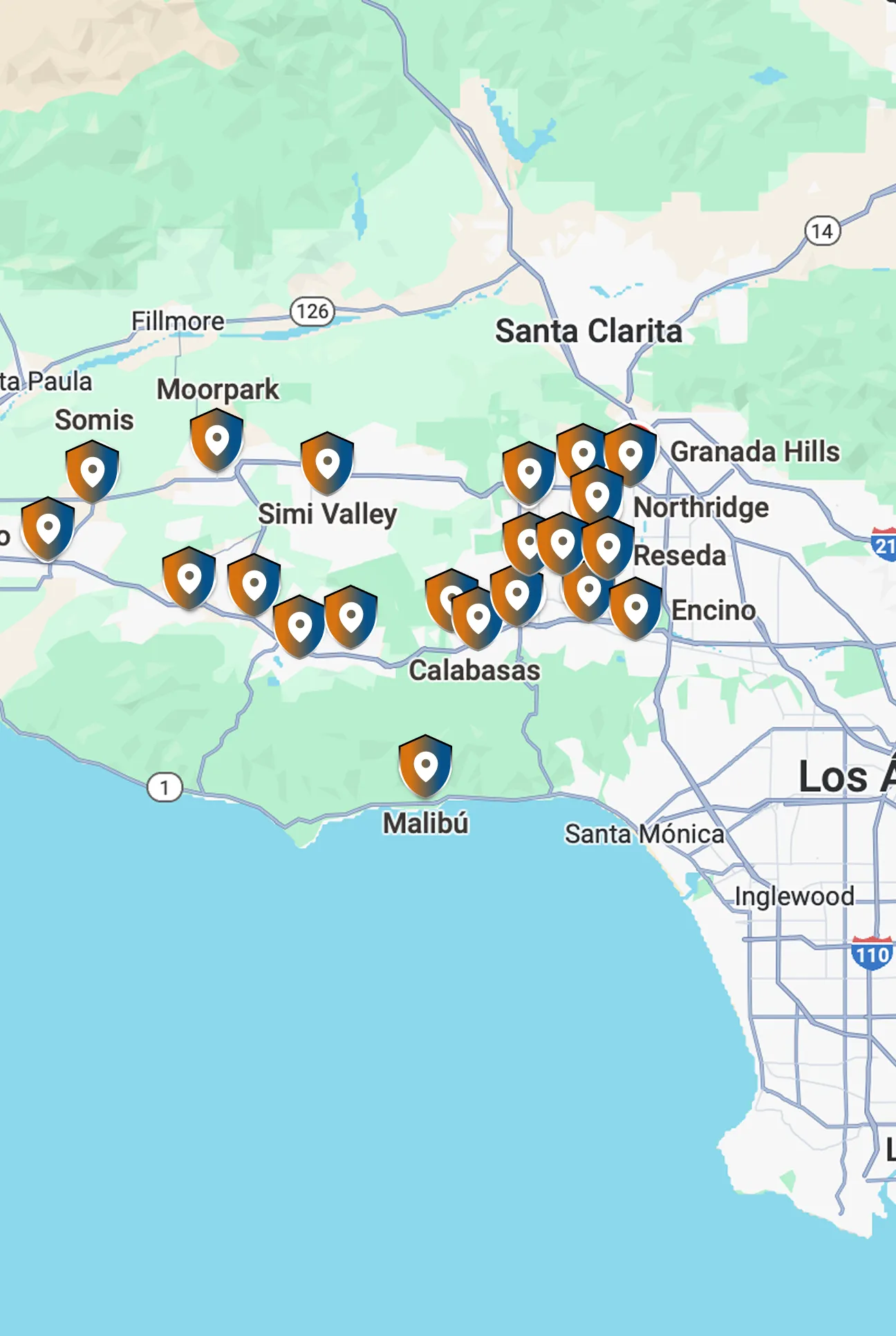
Service Areas
Our service areas encompass a wide range of locations, ensuring that we can meet the needs of our clients wherever they are. From bustling urban centers to serene suburban neighborhoods, we are committed to providing top-notch services tailored to each community.