


Heat pumps provide year-round comfort by moving heat instead of generating it, delivering both heating and climate control from one system. This page covers four main types—air-source, ground-source geothermal, hybrid/dual-fuel, and mini-split—and explains efficiency ratings (SEER, HSPF, COP). It lists common issues and stresses correct sizing, site assessment, and installation best practices. It discusses cold-climate performance, inverter/variable-speed tech, routine maintenance, energy savings and incentives, warranties, and the importance of professional commissioning throughout the lifecycle.
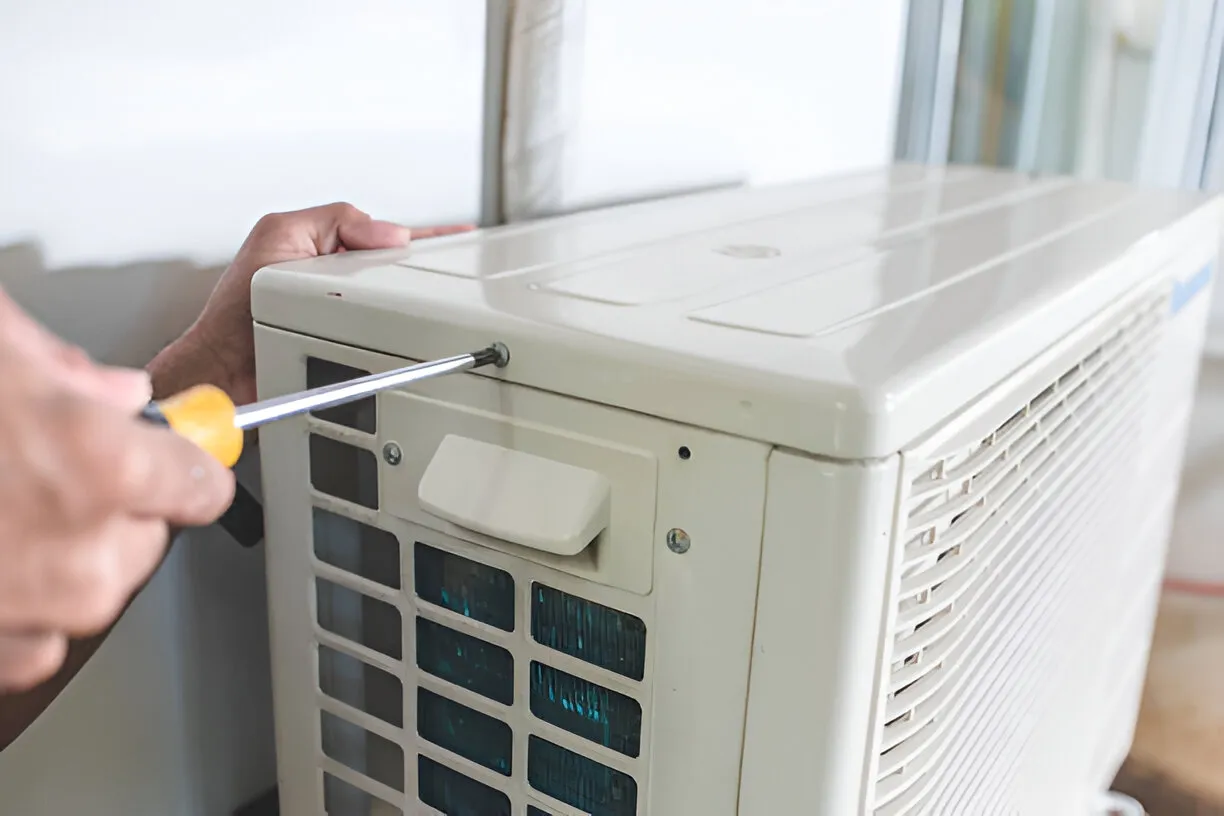
Heat pumps provide efficient year-round comfort by moving heat instead of creating it. They deliver both heating and cooling from a single system, often lowering energy use compared with conventional furnaces and air conditioners. For homeowners evaluating replacement or new-install systems, understanding types, sizing, installation practices, cold-climate performance, and long-term upkeep is essential to make a confident, cost-effective decision.
Types of heat pumps and how they work
- Air-source heat pumps: Extract heat from outdoor air in winter and reject heat outdoors in summer. Modern models perform well across a wide temperature range and are the most common option for retrofit and new construction.
- Ground-source (geothermal) heat pumps: Use the stable temperature of the ground or a groundwater source for higher and more consistent efficiency. They require excavation or boreholes and are ideal where land and budget allow.
- Hybrid/dual-fuel systems: Combine a heat pump with a gas furnace or boiler to switch to combustion heat when temperatures drop low enough that heat pump efficiency declines. This maintains comfort while optimizing fuel use.
- Mini-split (ductless) systems: Offer room-by-room control with individual indoor units and one outdoor compressor, useful for additions, zoned living, or homes without ductwork.
All types move heat using refrigerant and a compressor. Efficiency is measured by ratings such as SEER (cooling), HSPF (heating for air-source), and COP (coefficient of performance). Higher ratings mean lower operating costs.
Common heat pump issues homeowners see
- Reduced heating or cooling capacity
- Short cycling or frequent on/off operation
- Icing of outdoor unit in winter
- Strange noises from compressor or indoor blower
- High energy bills despite normal use
- Leaking refrigerant or reduced refrigerant charge
- Poor airflow caused by duct leaks or clogged filters
Many of these problems stem from improper sizing, poor installation, restricted airflow, lack of maintenance, or refrigerant issues. Diagnosing the root cause early prevents system stress and costly repairs.
Sizing and site-assessment procedures
Proper sizing is critical. Oversized systems short cycle and reduce comfort; undersized systems struggle to meet load. A thorough site assessment typically includes:
- A heat loss / heat gain calculation (Manual J or equivalent) considering insulation levels, window types, orientation, air infiltration, and occupancy.
- Evaluation of existing ductwork (if any) for leaks, insulation, and correct sizing.
- Electrical panel capacity and circuit requirements.
- Outdoor unit siting: clearance for airflow, noise considerations, and accessibility for service.
- For ground-source systems, soil conditions, available land area, and groundwater access.
A clear, data-driven sizing process aligns system capacity to actual building load and delivers reliable performance and efficiency.
Installation best practices
- Follow manufacturer specifications for refrigerant charge and line lengths; oversized or undercharged refrigerant reduces efficiency and life expectancy.
- Ensure adequate clearance around outdoor units and proper mounting to minimize vibration and pooling water.
- Seal and insulate all ductwork to reduce losses and prevent condensation.
- Install properly sized electrical circuits and surge protection when recommended.
- For ground loops, use certified installers and perform soil testing to design loop length and layout correctly.
- Verify airflow, static pressure, and temperature splits during commissioning to confirm system operates within expected performance parameters.
Professional commissioning and documentation at installation help with future maintenance, warranty claims, and rebate applications.
Cold-climate performance and considerations
Modern cold-climate heat pumps use improved refrigerants, enhanced compressors, and optimized coil designs to maintain capacity at lower outdoor temperatures. Key considerations:
- Look for models rated for reliable operation at low ambient temperatures and with a high heating COP at colder temperatures.
- In colder climates, consider inverter/variable-speed compressors, which maintain capacity and efficiency down to lower temperatures by modulating output.
- Hybrid/dual-fuel systems remain a practical solution where extreme cold persists for extended periods.
- Proper defrost strategies and controls reduce icing issues and minimize comfort interruptions.
Understanding how a chosen model performs at local winter lows is essential to avoid surprises during the coldest months.
Inverter and variable-speed technology
Inverter-driven compressors and variable-speed indoor fans offer significant performance advantages:
- Continuous capacity modulation reduces on/off cycling, improving comfort and reducing wear.
- Better part-load efficiency translates directly to lower energy bills.
- Improved humidity control in cooling mode because the system can run longer at lower speeds.
- Quieter operation and gentler temperature swings.
These technologies increase upfront cost but often yield better comfort and life-cycle savings.
Routine maintenance and common repairs
Routine maintenance preserves efficiency and extends life expectancy. Typical tasks include:
- Replace or clean filters every 1 to 3 months.
- Annual professional inspection: check refrigerant charge, test compressor operation, measure airflow, inspect electrical connections, and verify thermostat calibration.
- Clean coils and ensure proper condensate drainage.
- Lubricate motors and check belts if applicable.
Common repairs encountered:
- Refrigerant leaks and recharge
- Faulty reversing valves or compressors
- Worn blower motors or capacitors
- Control board failures or sensor replacements
Timely maintenance reduces the likelihood of major failures and keeps warranties valid.
Energy savings, incentives, and documentation
Heat pumps can lower energy consumption compared with separate furnace and air conditioner systems, particularly when replacing older equipment. Efficiency benefits vary by system type, sizing, and local climate. To capture incentive programs:
- Check federal tax credits, state rebates, and local utility incentives that often require specific efficiency ratings or qualified installers.
- Keep documentation: equipment model numbers, efficiency ratings, installation invoice, and commissioning checklist.
- Incentive programs sometimes require pre-approval or post-install verification, so gather required paperwork early.
Rebates and credits can materially improve payback timelines; include them in lifecycle cost calculations.
Expected lifecycle and warranty information
- Air-source heat pumps generally last 12 to 20 years with proper maintenance.
- Ground-source systems often exceed 20 years for the ground loop and 15 to 25 years for the heat pump components.
- Typical warranties: compressors often have 5 to 10 year warranties, parts 1 to 5 years, and extended warranties available from manufacturers or installers.
Read warranty terms carefully to understand coverage for refrigerant, labor, and components. Regular maintenance records are commonly required to preserve warranty rights.
Benefits summary and maintenance tips
Heat pumps offer efficient heating and cooling, single-system simplicity, and increasingly strong cold-climate performance when properly selected and installed. To maximize value:
- Use a qualified installer who performs a detailed heat loss assessment and system commissioning.
- Opt for inverter/variable-speed technology when budget and long-term savings align.
- Maintain the system with annual professional service and routine filter changes.
- Track equipment documentation for warranty and rebate eligibility.
A correctly sized, installed, and maintained heat pump delivers reliable comfort and meaningful energy savings across its service life.

Service Areas
Our service areas encompass a wide range of locations, ensuring that we can meet the needs of our clients wherever they are. From bustling urban centers to serene suburban neighborhoods, we are committed to providing top-notch services tailored to each community.