

For homeowners in Malibu, CA, seeking an optimal solution for year-round indoor comfort, a professionally installed heat pump system offers an unparalleled combination of efficient heating and cooling. Heat pumps represent a modern approach to climate control, leveraging existing heat from the air to provide warmth in cooler months and reversing the process to extract heat from indoors during warmer periods. This innovative technology provides a consistent, comfortable indoor environment while significantly reducing energy consumption and environmental impact.
The decision to install a heat pump is a significant investment in your home's comfort and efficiency. Ensuring that this installation is performed by experienced professionals familiar with Malibu's specific climate, architectural styles, and local regulations is crucial. A precise, high-quality installation forms the bedrock of your system's long-term performance, reliability, and energy savings.

Why Choose a Heat Pump for Your Malibu Home?
Heat pumps are rapidly becoming the preferred HVAC solution for many Malibu residents due to their inherent advantages:
- Dual Functionality: Unlike traditional furnaces and air conditioners, a single heat pump unit provides both heating and cooling, eliminating the need for separate systems. This streamlines your HVAC setup and offers seamless transitions between seasons, perfectly suited for Malibu's varied coastal climate.
- Exceptional Energy Efficiency: Heat pumps operate by transferring heat rather than generating it through combustion. This process is inherently more efficient, as it requires less energy to move heat than to create it. This translates to substantial reductions in energy bills compared to conventional heating and cooling systems, particularly when operating in the milder temperatures common in Malibu.
- Environmental Responsibility: By consuming less energy and often eliminating the need for fossil fuels, heat pumps significantly lower your home's carbon footprint. This aligns with Malibu's commitment to environmental sustainability and offers a greener alternative for home climate control.
- Enhanced Indoor Comfort: Heat pumps deliver consistent, even temperatures throughout your home, avoiding the temperature swings often associated with traditional systems. Many modern heat pumps also offer advanced filtration capabilities, contributing to improved indoor air quality.
The Foundation of Optimal Performance: System Sizing and Load Calculations
The most critical step in any heat pump installation is accurate system sizing. An improperly sized unit, whether too large or too small, will compromise performance, efficiency, and system lifespan. This foundational step involves comprehensive load calculations, which meticulously assess your home's unique characteristics to determine the precise heating and cooling capacity required.
Factors considered in detailed load calculations include:
- Home Square Footage and Layout: The total heated and cooled area, including the number of rooms and ceiling heights.
- Insulation Levels: Quality of insulation in walls, attic, and floors.
- Window and Door Efficiency: Number, size, type, and orientation of windows and doors, and their respective U-factors and Solar Heat Gain Coefficients (SHGC).
- Local Climate Data: Average temperatures, humidity levels, and solar intensity specific to Malibu.
- Occupancy and Appliance Heat Gain: The number of residents and heat generated by appliances and lighting.
- Ductwork Integrity (for ducted systems): Assessment of existing ductwork for leaks, proper sizing, and insulation.
An oversized system will short-cycle, frequently turning on and off, leading to wasted energy, premature wear, and inadequate dehumidification. Conversely, an undersized system will run continuously, struggling to maintain desired temperatures, putting undue strain on components, and resulting in higher energy bills. Professional load calculations are indispensable for selecting a system that provides peak comfort and efficiency tailored to your specific Malibu home.
Selecting the Right Heat Pump Type for Malibu Residences
Heat pump technology offers various configurations to suit different home needs and preferences:
- Air-Source Heat Pumps: These are the most common type and are highly efficient in Malibu's climate. They work by extracting heat from the outdoor air in winter and expelling indoor heat to the outside in summer.
- Split Systems: Comprise an outdoor condenser unit and an indoor air handler connected by refrigerant lines. These are typically integrated with existing ductwork.
- Packaged Systems: All components are housed in a single outdoor unit, distributing conditioned air through ductwork.
- Ductless Mini-Split Heat Pumps: Ideal for homes without existing ductwork, home additions, converted garages, or for creating zoned comfort in specific areas. These systems consist of an outdoor unit connected to one or more indoor units via a conduit that houses power, refrigerant, and condensate lines. Each indoor unit can control the temperature independently, offering unparalleled flexibility and energy savings through zoned heating and cooling. Given the diverse architectural landscape in Malibu, ductless systems provide an excellent solution for targeted comfort control without extensive renovations.
While geothermal and water-source heat pumps also exist, air-source and ductless mini-splits are generally the most practical and efficient choices for residential heat pump installations in Malibu.
The Professional Heat Pump Installation Process
A meticulously executed installation process ensures your new heat pump operates at its peak performance and efficiency for years to come:
- Initial Consultation and System Design: Following load calculations, the appropriate heat pump type and model are selected. The installation plan is developed, considering optimal placement for both indoor and outdoor units.
- Removal of Old Equipment (if applicable): Existing furnaces, air conditioners, or old heat pumps are safely and responsibly decommissioned and removed.
- Site Preparation: This involves preparing the designated areas for the indoor and outdoor units. This includes ensuring a level concrete pad for the outdoor unit, creating openings for refrigerant lines, electrical conduits, and condensate drains, and ensuring sufficient space for airflow and maintenance access.
- Outdoor Unit Placement: The outdoor condenser unit is strategically placed to ensure proper airflow, minimize noise intrusion, and protect it from direct sunlight or harsh elements, considering the local Malibu environment.
- Indoor Unit Installation: For ducted systems, the indoor air handler is connected to the existing or new ductwork. For ductless systems, individual indoor units are securely mounted on walls or ceilings, and connections for refrigerant lines and electrical wiring are carefully made.
- Refrigerant Line Installation and Brazing: High-quality copper lines are run between the indoor and outdoor units. Connections are precisely brazed to ensure a leak-free system.
- Electrical Work: Dedicated electrical circuits are typically required for heat pumps. Licensed electricians ensure all wiring meets local codes and the manufacturer's specifications.
- Condensate Drain Line Installation: A proper drainage system is installed to channel away the moisture collected during the cooling cycle, preventing water damage and mold growth.
- Vacuum and Charging: A critical step involving the evacuation of all air and moisture from the refrigerant lines using a vacuum pump. Once thoroughly evacuated, the system is charged with the precise amount of refrigerant as specified by the manufacturer, essential for optimal efficiency and performance.
- Ductwork Inspection and Sealing (for ducted systems): Existing ductwork is inspected for leaks, damage, or disconnections. Any issues are addressed through sealing or repairs to ensure efficient air delivery throughout the home.
- Thermostat Installation and Calibration: A new, compatible thermostat (often a smart thermostat for enhanced control and energy management) is installed and calibrated to ensure accurate temperature readings and proper communication with the heat pump system.
Understanding Energy Efficiency Ratings: SEER2, HSPF2, EER2
When selecting a heat pump for your Malibu home, understanding its energy efficiency ratings is vital for long-term savings:
- SEER2 (Seasonal Energy Efficiency Ratio 2): This rating measures a heat pump's cooling efficiency over a typical cooling season. Higher SEER2 values indicate greater energy efficiency during cooling operations, meaning lower electricity consumption.
- HSPF2 (Heating Seasonal Performance Factor 2): This rating measures a heat pump's heating efficiency over a typical heating season. Higher HSPF2 values denote greater energy efficiency during heating operations, leading to reduced energy usage in winter.
- EER2 (Energy Efficiency Ratio 2): This measures instantaneous cooling efficiency under specific operating conditions. It's often used for comparison in very hot climates.
Modern heat pumps boast impressive SEER2 and HSPF2 ratings, making them significantly more efficient than older HVAC systems. Choosing a system with ratings suitable for Malibu's specific climate conditions will maximize your energy savings and enhance comfort.
Navigating Permits and Local Regulations in Malibu, CA
Heat pump installations, like most significant home improvements, require adherence to local building codes and necessitate obtaining proper permits from the City of Malibu. This process ensures that the installation meets safety standards, structural requirements, and environmental regulations.
A professional HVAC installer will handle the entire permit application process, including preparing necessary documentation, submitting plans, and coordinating inspections with local authorities. This ensures that your installation is compliant, avoiding potential fines, ensuring warranty validity, and safeguarding your home's value for future resale. Compliance with local regulations is not merely a formality; it is a critical component of a safe, reliable, and legally sound heat pump installation.
Protecting Your Investment: Warranty Considerations
Understanding the warranty coverage for your new heat pump system is an essential part of the installation process. Heat pump warranties typically include:
- Manufacturer's Parts Warranty: Covers the replacement of defective components for a specified period (e.g., 5-10 years, sometimes longer for compressors).
- Manufacturer's Compressor Warranty: Often provides extended coverage for the compressor, which is a critical and expensive component.
- Manufacturer's Unit Replacement Warranty: In rare cases, some premium units may offer a limited warranty for replacement of the entire unit if a major component fails within a very short initial period.
- Installer's Labor Warranty: A reputable HVAC company will provide a warranty on the installation workmanship for a specified period, ensuring that any issues arising from the installation itself are promptly addressed.
It is crucial to register your new heat pump with the manufacturer after installation to activate the full warranty coverage. Adhering to manufacturer-recommended maintenance schedules is also often a prerequisite for keeping warranties valid. A professional installer will guide you through all warranty details and registration steps.
Post-Installation Testing and Homeowner Education
Upon completion of the physical installation, a comprehensive testing and commissioning phase begins to ensure optimal system performance:
- Thorough System Testing: The heat pump is powered on and put through various operational cycles for both heating and cooling. Technicians meticulously check refrigerant pressures, temperature differentials across the coil, airflow rates, electrical connections, and noise levels.
- Performance Verification: The system's ability to achieve and maintain desired indoor temperatures is verified, ensuring it meets design specifications.
- System Balancing: For ducted systems, airflow is balanced across all registers to ensure even heating and cooling distribution throughout the home.
- Thermostat Functionality: The new thermostat is tested to confirm it communicates correctly with the heat pump and all settings (e.g., programming, fan modes) function as expected.
- Homeowner Walkthrough and Education: Prior to completion, a detailed walkthrough is conducted with the homeowner. This session covers the proper operation of the new heat pump, how to use the thermostat effectively, basic troubleshooting tips, and essential routine maintenance like filter replacement. All warranty documentation, user manuals, and service records are provided.
The Malibu Advantage: Local Expertise
Choosing an HVAC service provider with extensive experience in Malibu, CA, ensures your heat pump installation is perfectly adapted to the local climate, energy demands, and regulatory environment. A local professional understands the nuances of homes in the area, from architectural considerations to specific permitting requirements. This localized expertise guarantees a seamless installation process and a heat pump system that provides reliable, efficient comfort for your Malibu residence for many years.

Service Areas
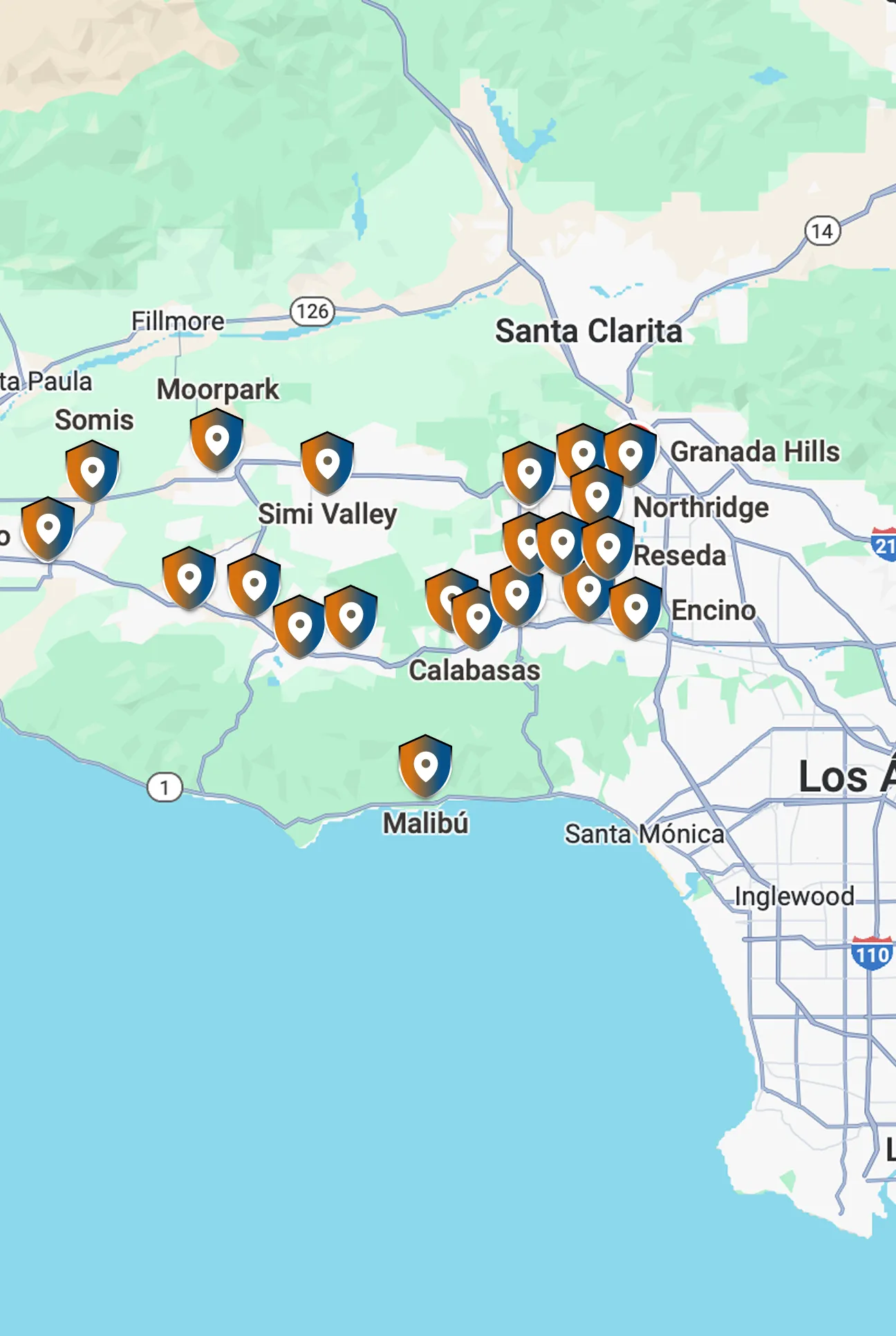
Our service areas encompass a wide range of locations, ensuring that we can meet the needs of our clients wherever they are. From bustling urban centers to serene suburban neighborhoods, we are committed to providing top-notch services tailored to each community.