

For homeowners in Woodland Hills, a reliable heat pump is essential for maintaining comfort throughout the varying seasons. These versatile systems provide efficient heating in cooler months and effective cooling when temperatures rise, making them a popular choice for year-round climate control. However, like all complex mechanical systems, heat pumps have a finite lifespan. When your existing unit begins to falter, performing inconsistently, or demanding frequent and costly repairs, considering a professional heat pump replacement becomes a critical decision for your home's comfort and your energy budget.
A heat pump replacement is a significant investment that requires careful consideration and expert execution. It's not merely about swapping out an old unit for a new one; it's about upgrading your home's entire climate control system to enhance efficiency, reliability, and long-term comfort. This process involves evaluating your home's specific needs, selecting a new unit that aligns with modern energy standards and your lifestyle, meticulously removing the old equipment, and expertly installing and calibrating the new system. For residents of Woodland Hills, partnering with a knowledgeable local HVAC provider ensures that your heat pump replacement is handled with precision and care, tailored to the unique demands of the local climate.
When Is Heat Pump Replacement Necessary?
Understanding when to replace your heat pump rather than continuing with repairs can save you significant time, money, and discomfort in the long run. Several clear indicators suggest that your heat pump may be nearing the end of its operational life:
- Age of the Unit: Most heat pumps are designed to last between 10 to 15 years. If your system is approaching or has exceeded this age range, its components are likely worn, and it may not operate as efficiently as newer models. Even with diligent maintenance, older units eventually become less reliable.
- Frequent and Costly Repairs: If you find yourself scheduling repairs multiple times a year, or if individual repair costs are adding up to a substantial percentage of a new system's price, replacement often becomes the more economical choice. Continuous breakdowns indicate underlying issues that are only likely to worsen.
- Decreased Efficiency and Higher Energy Bills: As heat pumps age, their efficiency naturally declines. Worn parts, refrigerant leaks, or a struggling compressor can cause the unit to consume more electricity to achieve the same level of heating or cooling. A noticeable spike in your energy bills without a significant change in usage is a strong sign of inefficiency.
- Inconsistent Heating or Cooling: An aging or failing heat pump may struggle to maintain a consistent temperature throughout your home. You might experience cold spots in winter or warm areas in summer, indicating that the system is no longer distributing conditioned air effectively or is unable to reach the desired thermostat settings.
- Strange Noises or Odors: While some operational noises are normal, persistent loud grinding, squealing, banging, or rattling sounds can signal serious mechanical problems. Similarly, unusual odors, such as a burning smell or a musty scent, could indicate electrical issues or mold growth within the system, necessitating attention.
- R-22 Refrigerant: If your heat pump uses R-22 refrigerant (Freon), it’s an older model. The production and import of R-22 have been phased out due to environmental concerns, making it expensive and difficult to find. If your R-22 system develops a leak, it’s often more cost-effective to replace the entire unit with a newer, environmentally friendly model.
Choosing the Right Heat Pump for Your Woodland Hills Home
Selecting a new heat pump for your Woodland Hills residence is a crucial step in the replacement process. The right choice will ensure optimal comfort, energy efficiency, and long-term savings. Several factors influence this decision:
- Proper Sizing: One of the most critical aspects is ensuring the new heat pump is correctly sized for your home. An undersized unit will struggle to heat or cool effectively, running constantly and wearing out prematurely. An oversized unit will cycle on and off too frequently (short-cycling), leading to uneven temperatures, increased wear and tear, and poor dehumidification. A professional assessment considers your home's square footage, insulation levels, window types, local climate conditions, and even the number of occupants.
- Energy Efficiency Ratings: Modern heat pumps are significantly more energy-efficient than older models. Look for units with high SEER2 (Seasonal Energy Efficiency Ratio 2) for cooling, HSPF2 (Heating Seasonal Performance Factor 2) for heating, and EER2 (Energy Efficiency Ratio 2) for overall efficiency. Higher ratings indicate less energy consumption and lower utility bills. Many advanced units feature variable-speed compressors that can adjust output precisely to meet demand, providing superior comfort and efficiency.
- Type of Heat Pump: While air-source heat pumps are the most common, options like ductless mini-splits might be suitable for additions or specific zones, and geothermal systems offer exceptional efficiency where feasible. Your existing ductwork and home layout will often guide this choice.
- Advanced Features: Consider features that enhance comfort and convenience. These may include quiet operation, smart thermostat compatibility for remote control and energy management, zoning capabilities to control different areas of your home independently, and advanced air filtration systems for improved indoor air quality.
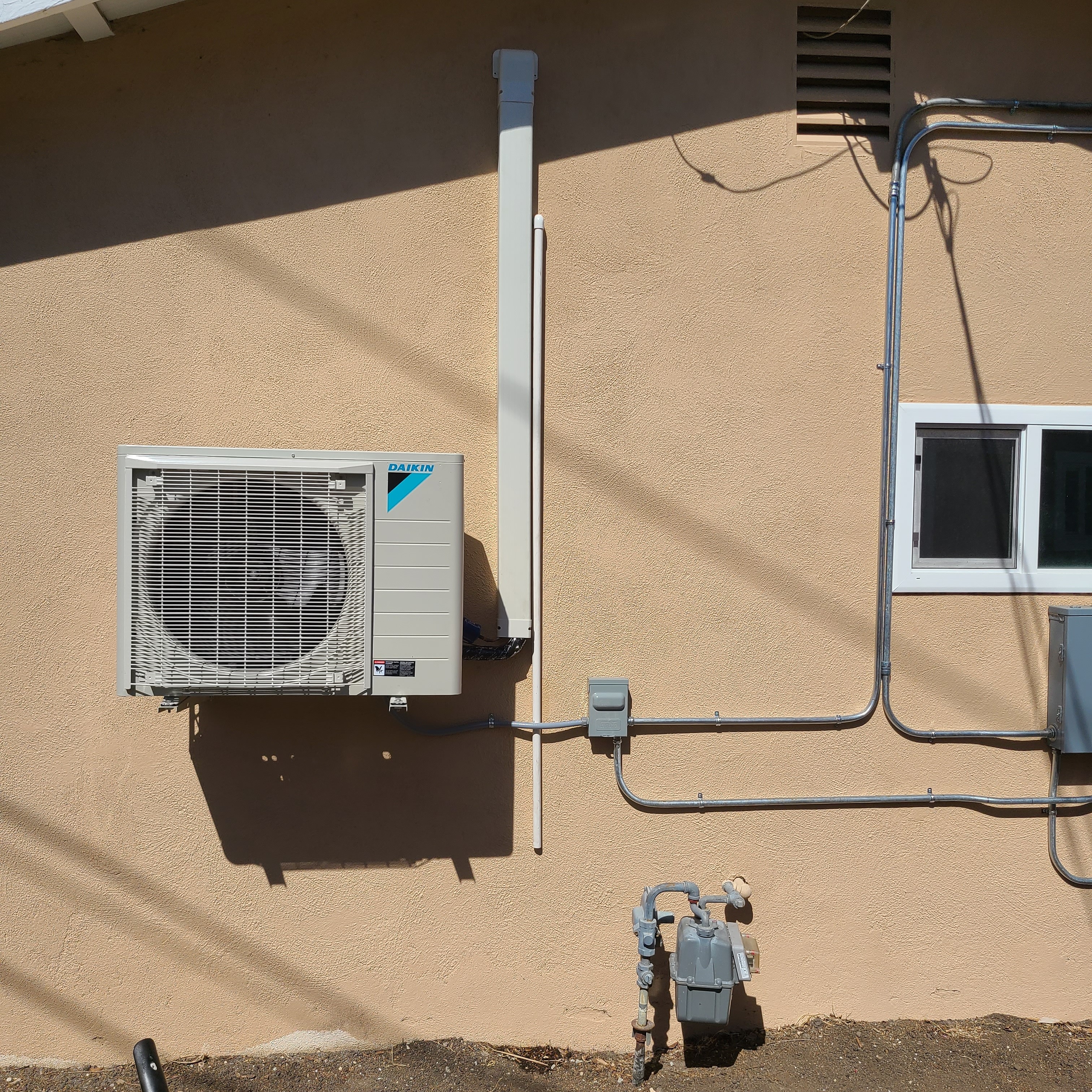
- Reputable Brands: Investing in a heat pump from a well-established and trusted manufacturer is advisable. Brands known for their reliability, performance, and comprehensive warranties, such as Daikin, provide assurance in your investment. Discussing brand options with a knowledgeable professional can help you understand the benefits and features of each.
The Heat Pump Replacement Process
A professional heat pump replacement is a multi-step process designed to ensure seamless transition and optimal performance of your new system.
- Initial Assessment and Consultation: The process begins with a thorough evaluation of your current heat pump system and your home's unique heating and cooling requirements. This includes load calculations to determine the precise sizing for your new unit, considering factors like your home's construction, insulation, windows, and local climate patterns in Woodland Hills. Your preferences, budget, and efficiency goals are also discussed to recommend the most suitable heat pump options.
- Safe Removal of Old Equipment: Once the new unit is selected, the existing heat pump system is carefully disconnected and removed. This includes the outdoor condenser unit, the indoor air handler or furnace, and any associated refrigerant lines and electrical wiring. Proper handling and disposal of refrigerants are paramount, adhering to environmental regulations. The old components are responsibly transported away from your property.
- Precise New System Installation:
- Placement and Setup: The new outdoor heat pump unit is positioned on a level pad, and the new indoor air handler or furnace is installed in its designated location (e.g., attic, basement, utility closet).
- Line Set Installation: New refrigerant lines (the "line set") are run between the indoor and outdoor units. These lines are crucial for carrying refrigerant and are sized according to the new system's specifications.
- Electrical Wiring: Dedicated electrical circuits are connected to both the indoor and outdoor units, ensuring the system receives adequate power and operates safely.
- Ductwork Connection: The indoor unit is securely connected to your home's existing ductwork. Any necessary modifications or repairs to the ductwork are performed to optimize airflow and prevent energy loss.
- Condensate Drainage: A new condensate drain line is installed to safely remove moisture generated during the cooling process, preventing water damage and mold growth.
- Vacuuming and Charging: Before charging with refrigerant, the entire system is thoroughly evacuated using a vacuum pump. This critical step removes all air and moisture from the refrigerant lines, which can severely impair efficiency and damage the compressor if not removed. Once evacuated, the precise amount of new, environmentally friendly refrigerant is added to the system according to manufacturer specifications.
- Thorough Post-Installation Testing and Calibration: After installation, a series of comprehensive tests are conducted to ensure your new heat pump is operating correctly and efficiently.
- Refrigerant Levels and Pressures: Technicians verify that refrigerant levels are accurate and pressures are within optimal ranges.
- Airflow Measurement: Airflow through the ductwork is measured and adjusted to ensure consistent and comfortable temperatures throughout your home.
- Electrical Connections: All electrical connections are re-checked for safety and proper functioning.
- Operational Modes: Both heating and cooling modes are tested to confirm the system transitions smoothly and achieves desired temperatures.
- Thermostat Calibration: The thermostat is calibrated to ensure accurate temperature readings and proper communication with the new heat pump.
- Homeowner Guidance: Finally, the homeowner receives a detailed overview of the new system's operation, including maintenance tips, filter replacement instructions, and explanations of any advanced features.
Understanding Rebates and Financing Options
Investing in a new heat pump can lead to significant long-term energy savings, and various programs may help make the initial cost more manageable. Homeowners in Woodland Hills often have access to potential rebates and incentives designed to encourage the adoption of energy-efficient heating and cooling solutions.
These can include:
- Utility Company Rebates: Local utility providers sometimes offer rebates for installing high-efficiency heat pumps, recognizing that these systems reduce strain on the energy grid.
- Federal Tax Credits: The federal government periodically offers tax credits for qualifying energy-efficient home improvements, including certain heat pump models.
- Manufacturer Incentives: Heat pump manufacturers may offer their own promotions or rebates on specific models during certain times of the year.
Beyond rebates, flexible financing options can help spread the cost of a new heat pump over time, making advanced comfort solutions accessible without a large upfront payment. These options are designed to provide financial flexibility, allowing homeowners to enjoy the benefits of a new, efficient heat pump immediately. Exploring these avenues with your HVAC provider can help you understand how to maximize potential savings and manage your investment effectively.
Why Choose a Local HVAC Professional for Your Heat Pump Replacement in Woodland Hills?
For a critical home improvement like heat pump replacement, choosing a local, experienced HVAC professional offers distinct advantages, particularly for residents of Woodland Hills.
- Local Climate Expertise: A local provider understands the specific heating and cooling demands of the Woodland Hills climate. This localized knowledge is invaluable for accurately sizing your new heat pump and recommending models that perform optimally in the area's temperature fluctuations.
- Familiarity with Local Codes: Experienced local professionals are well-versed in Woodland Hills' building codes and regulations, ensuring your heat pump installation complies with all necessary standards for safety and performance.
- Prompt and Reliable Service: Local companies are typically more responsive for both installation and any future service needs. Their proximity means quicker response times and a deeper commitment to the community they serve.
- Established Reputation: A long-standing local presence, like service since 1997, indicates a proven track record of customer satisfaction and quality workmanship. This history builds trust and demonstrates a commitment to earning and maintaining a positive reputation within the community.
- Comprehensive Solutions: Beyond the initial replacement, a trusted local provider offers full-spectrum services, including professional maintenance plans that protect your new investment, ensuring its longevity and continued efficiency for years to come. This ongoing support is crucial for preserving your heat pump's performance.
When it's time for a heat pump replacement in your Woodland Hills home, prioritizing expertise, local understanding, and a commitment to quality ensures your comfort and peace of mind for years to come.

Service Areas
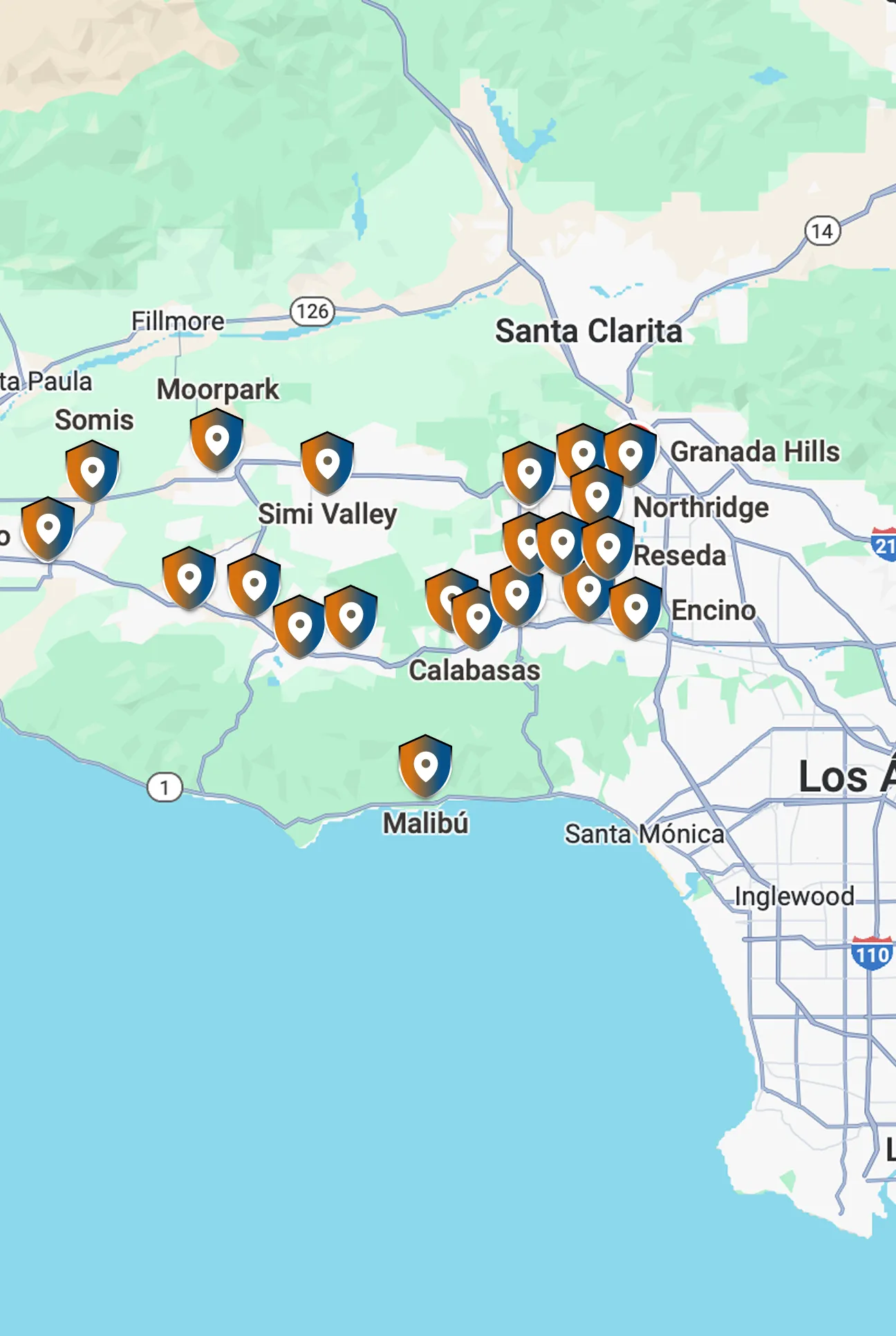
Our service areas encompass a wide range of locations, ensuring that we can meet the needs of our clients wherever they are. From bustling urban centers to serene suburban neighborhoods, we are committed to providing top-notch services tailored to each community.