

Whole House Air Purification Systems in Northridge, CA
For Northridge, CA homeowners, whole-house air purification systems integrated with HVAC offer superior indoor air quality. These systems combat pollen, dust, wildfire smoke, pet dander, mold, VOCs, bacteria, and viruses, unlike portable units. Technologies like HEPA filters, UVGI lamps, bipolar ionization, activated carbon, and PCO work together to neutralize contaminants. Proper installation and regular maintenance, including filter and UV lamp replacement, are crucial for optimal performance. Benefits include significant allergy and asthma relief, pathogen reduction, odor elimination, decreased dust, and enhanced overall health and comfort for a healthier living environment.
Elevating Indoor Air Quality in Northridge with Whole-House Air Purification Systems
For homeowners in Northridge, CA, maintaining a comfortable living environment often extends beyond temperature control. The quality of the air circulating throughout your home plays a crucial role in your family's health and well-being. Whole-house air purification systems, seamlessly integrated with your existing HVAC system, offer a comprehensive solution to combat indoor air pollutants, providing a continuous stream of cleaner, healthier air throughout every room.
Unlike portable air purifiers that address only a single area, a whole-house system treats all the air that passes through your heating and cooling ducts. This ensures that every breath you take inside your Northridge residence is filtered, purified, and free from common irritants and contaminants. Given Northridge's climate and susceptibility to external factors like pollen, dust, and occasional wildfire smoke, investing in a robust indoor air quality solution is a proactive step towards a healthier home.
Why Whole-House Air Purification is Essential for Northridge Homes
Northridge, like many Southern California communities, experiences unique environmental challenges that can significantly impact indoor air quality. High pollen counts during spring and fall, dust blown in from dry conditions, and the potential for wildfire smoke to drift into residential areas all contribute to a cocktail of airborne particles. These external factors, combined with internal pollutants like pet dander, dust mites, mold spores, volatile organic compounds (VOCs) from household products, and even bacteria and viruses, create an indoor environment that can trigger allergies, asthma, and other respiratory issues.
A whole-house air purification system acts as a silent guardian, diligently working with your HVAC system to remove these invisible threats. This is particularly beneficial for families with young children, elderly residents, or individuals already suffering from allergies, asthma, or other respiratory sensitivities. By significantly reducing the concentration of airborne pollutants, these systems help create a sanctuary where occupants can breathe easier, sleep better, and experience fewer symptoms associated with poor indoor air quality.
How Whole-House Systems Integrate with Your HVAC
The efficiency and effectiveness of a whole-house air purification system stem from its integration with your home’s central heating and air conditioning unit. Instead of relying on standalone units that only treat the air in one room, these systems are installed directly within your HVAC ductwork, typically near the air handler or furnace. This strategic placement ensures that as your HVAC system draws in return air from your home to heat or cool it, that same air passes through the purification unit before being redistributed through your supply vents.
This means that every time your furnace or air conditioner cycles on, the air is not only conditioned to your desired temperature but also thoroughly purified. The cleaned air then flows throughout your entire home, ensuring consistent air quality in all living spaces, bedrooms, and common areas. This comprehensive approach is far superior to portable units, which can only affect a limited area and often require multiple units to achieve widespread improvement.
Available Air Purification Technologies for Comprehensive IAQ
Modern whole-house air purification systems utilize a variety of advanced technologies, often in combination, to tackle a broad spectrum of airborne contaminants. Understanding these technologies can help Northridge homeowners make informed decisions about the best solution for their specific needs.
- High-Efficiency Particulate Air (HEPA) Filters: While standard HVAC filters capture larger particles, true HEPA filters are designed to capture 99.97% of airborne particles 0.3 microns in size, including dust mites, pollen, pet dander, mold spores, and even some bacteria. These are typically part of a multi-stage filtration system, often preceded by pre-filters to capture larger debris and extend the HEPA filter's life.
- Ultraviolet Germicidal Irradiation (UVGI) Lamps: UV-C light has long been used in medical and industrial settings to sanitize surfaces and air. When integrated into your HVAC system, UV lamps are positioned to shine on the evaporator coil and/or within the ductwork. Their powerful UV-C energy effectively inactivates airborne viruses, bacteria, mold spores, and other microorganisms as they pass through, preventing them from reproducing and spreading throughout your home. This technology is particularly effective against biological contaminants.
- Bipolar Ionization: This technology introduces charged ions into the airflow. These ions attach to airborne particles, such as dust, pollen, smoke, and dander, making them larger and easier for your HVAC filter to capture. Bipolar ionization can also break down odors and certain volatile organic compounds (VOCs) at a molecular level, providing a fresh and clean scent without producing harmful byproducts like ozone.
- Activated Carbon Filters: These filters are exceptional at adsorbing odors, gases, and volatile organic compounds (VOCs) that are too small for particulate filters to capture. Sources of VOCs include paints, cleaning products, new furniture, and cooking fumes. An activated carbon filter can significantly reduce unpleasant smells and chemical airborne irritants, leading to a fresher-smelling home environment.
- Photocatalytic Oxidation (PCO): Some advanced systems combine UV light with a titanium dioxide-coated filter. When UV light hits the titanium dioxide, it creates a chemical reaction that generates hydroxyl radicals and super-oxide ions. These highly reactive substances break down and neutralize VOCs, odors, and other gaseous pollutants into harmless water vapor and carbon dioxide.
A professional assessment will help determine the optimal combination of these technologies to address the specific air quality concerns prevalent in your Northridge home.
Installation Considerations for Optimal Performance
The effective performance of a whole-house air purification system heavily relies on proper installation and integration with your existing HVAC infrastructure. This is not a do-it-yourself project; it requires specialized knowledge of HVAC systems and electrical work. Key considerations include:
- System Compatibility: Ensuring the chosen purification unit is compatible with your current furnace, air handler, and ductwork.
- Sizing and Placement: Correct sizing of the purification system is critical to match your home's square footage and HVAC capacity. Proper placement within the ductwork ensures maximum air exposure to the purification elements without impeding airflow.
- Electrical Requirements: Most systems require a dedicated electrical connection, and a professional installer will ensure safe and compliant wiring.
- Airflow Impact: A properly installed system will have minimal impact on your HVAC system's airflow and efficiency. Poor installation, however, can restrict airflow, leading to increased energy consumption and premature wear on your HVAC unit.
- Professional Expertise: An experienced technician will assess your home’s unique layout and existing HVAC system to recommend and install the most effective whole-house air purification solution, ensuring it operates optimally and safely.
Maintenance and Filter Replacement
Like any critical home system, whole-house air purification units require routine maintenance to sustain their peak performance. While the specific schedule varies by system type and household usage, general maintenance includes:
- Filter Replacement: High-efficiency particulate filters and activated carbon filters need periodic replacement. The frequency depends on factors like pet ownership, number of occupants, and external environmental conditions in Northridge. Ignoring filter changes can lead to decreased efficiency, increased energy costs, and reduced air quality.
- UV Lamp Replacement: UV germicidal lamps have a finite lifespan, typically 9-12 months, after which their germ-killing effectiveness diminishes even if they still appear to be lit. Regular replacement ensures continuous protection against biological contaminants.
- System Cleaning and Inspection: Professional maintenance visits allow technicians to inspect the entire system, clean components, check electrical connections, and ensure all parts are functioning correctly. This proactive approach helps prevent minor issues from becoming major problems, extends the life of the unit, and guarantees consistent indoor air quality.
Regular maintenance not only ensures the efficacy of your air purification system but also contributes to the overall health and longevity of your HVAC system by preventing debris buildup and promoting optimal airflow.
Expected Improvements in Indoor Air Quality and Allergy Relief
Implementing a whole-house air purification system in your Northridge home can lead to a transformative improvement in your indoor environment. Homeowners often report a noticeable difference in air freshness and a reduction in a variety of symptoms.
- Significant Allergy and Asthma Relief: By continuously removing airborne allergens such as pollen, dust mites, pet dander, and mold spores, these systems drastically reduce triggers for allergy and asthma sufferers. This can lead to fewer sneezing fits, watery eyes, nasal congestion, and improved breathing.
- Reduction of Pathogens: UVGI technology, in particular, actively neutralizes viruses and bacteria circulating in the air, creating a healthier environment and potentially reducing the spread of airborne illnesses within the home.
- Elimination of Odors and VOCs: Activated carbon filters and PCO technology effectively adsorb or break down unpleasant odors from cooking, pets, cleaning products, and other household sources, as well as harmful volatile organic compounds. The result is a home that consistently smells cleaner and fresher.
- Decreased Dust Accumulation: With a highly efficient filtration system capturing more dust particles, you may notice a significant reduction in dust buildup on surfaces throughout your home, leading to less frequent cleaning.
- Enhanced Overall Comfort and Well-being: Breathing cleaner air contributes to better sleep, increased energy levels, and a general sense of improved health. For families in Northridge, where external air quality can sometimes be a concern, the peace of mind knowing your indoor air is continuously purified is invaluable.
A whole-house air purification system is a powerful investment in your family's health and comfort. By understanding the technologies, recognizing the importance of professional installation, and committing to regular maintenance, Northridge homeowners can enjoy consistently cleaner, healthier air throughout their living spaces, mitigating the impact of both indoor and outdoor pollutants.

Service Areas
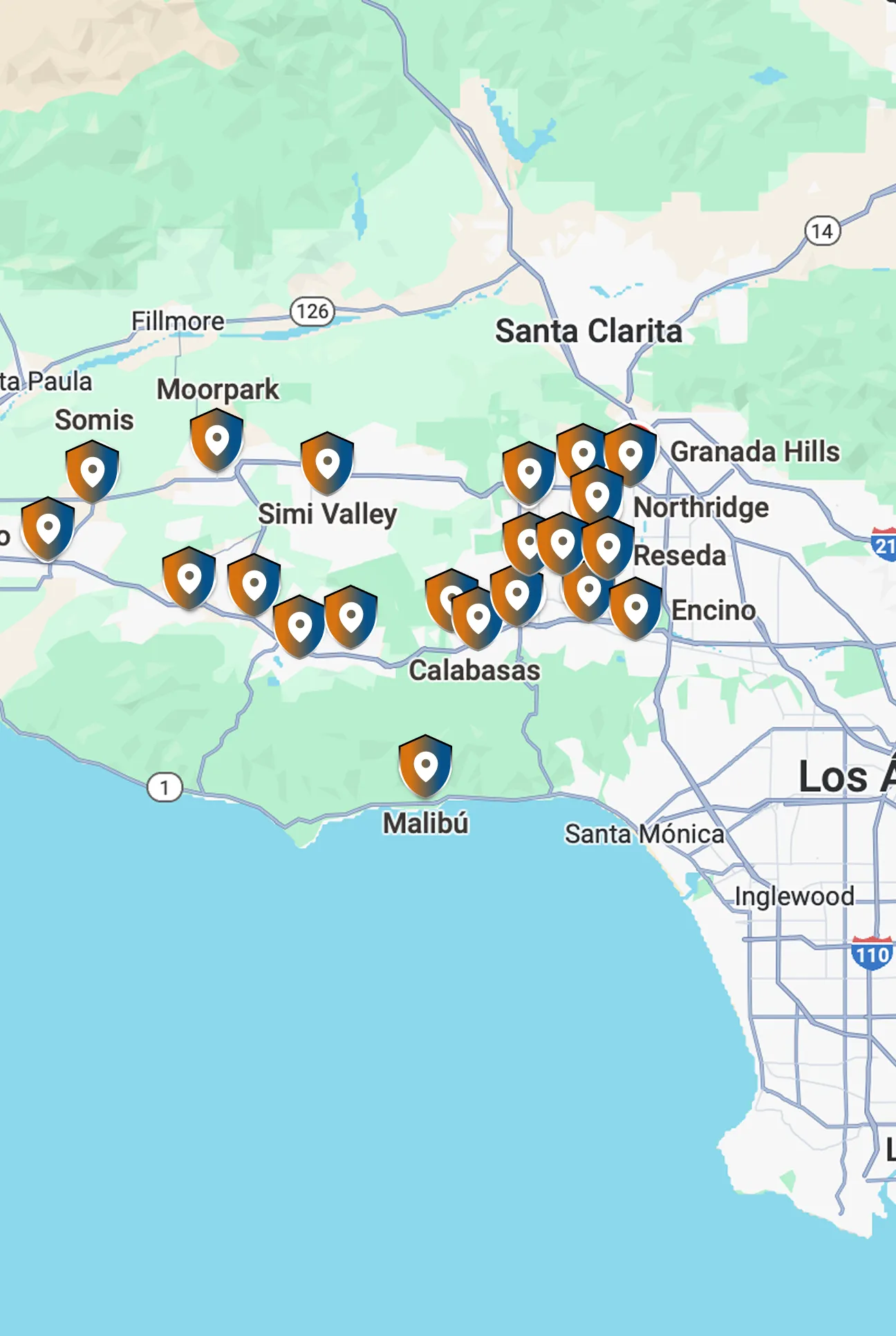
Our service areas encompass a wide range of locations, ensuring that we can meet the needs of our clients wherever they are. From bustling urban centers to serene suburban neighborhoods, we are committed to providing top-notch services tailored to each community.