

Whole House Air Purification Systems in Tarzana, CA
In Tarzana, CA, the quality of the air inside your home can be just as crucial as the comfort provided by your heating and air conditioning system. While our beautiful Southern California climate offers many advantages, it also brings unique challenges to indoor air quality, including seasonal allergens, airborne pollutants from local traffic and wildfires, and everyday household contaminants. A whole house air purification system offers a comprehensive solution, working seamlessly with your existing HVAC system to create a healthier, more breathable environment throughout your entire home.
Unlike standalone room air purifiers, a whole house system integrates directly into your home's central heating and cooling ductwork, treating all the air that circulates through your living spaces. This ensures that every room benefits from improved air quality, providing a consistent and effective defense against a wide range of indoor pollutants.
Understanding Whole House Air Purification Systems
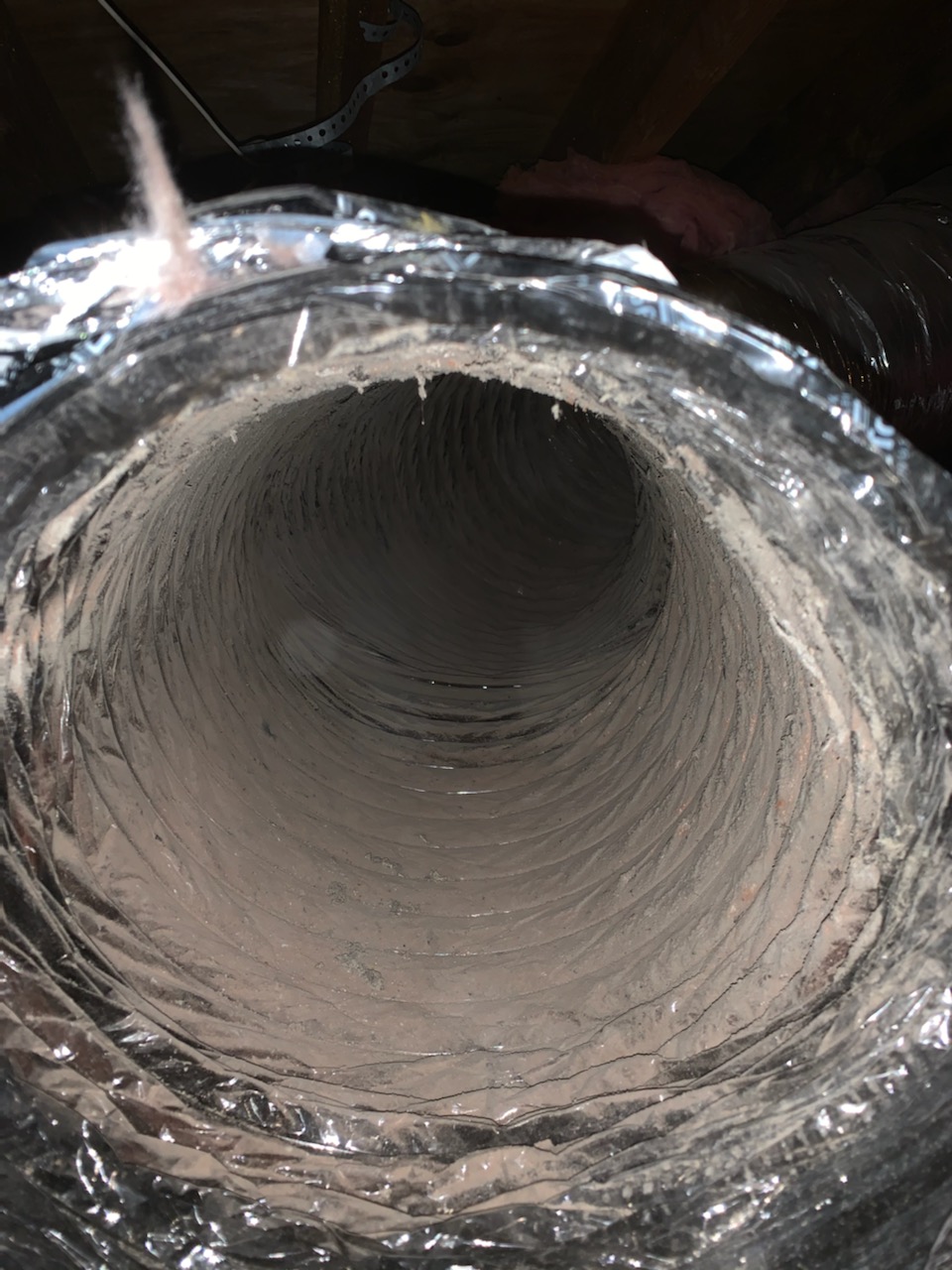
A whole house air purification system is designed to clean the air as it passes through your HVAC system. This means that as your furnace or air conditioner circulates air, it first pulls that air through the purification unit, which traps and neutralizes contaminants before the conditioned air is distributed back into your home. This approach offers superior filtration compared to standard HVAC filters alone, addressing microscopic particles and harmful pathogens that often go unnoticed.
The effectiveness of these systems stems from their ability to combine multiple filtration technologies, each targeting different types of airborne impurities. This multi-layered approach ensures a thorough purification process that significantly reduces the presence of allergens, odors, and airborne disease-causing agents.
Key Filtration Technologies and Options
When considering a whole house air purification system for your Tarzana residence, you'll encounter various technologies designed to tackle specific air quality concerns. Often, the most effective systems utilize a combination of these methods:
- High-Efficiency Particulate Air (HEPA) Filters and MERV-Rated Filters: These mechanical filters are the backbone of many air purification systems. MERV (Minimum Efficiency Reporting Value) ratings indicate a filter's ability to capture larger particles. Standard HVAC filters typically have low MERV ratings, capturing only the most obvious dust and debris. High-efficiency filters, with MERV ratings ranging from 11 to 16, can capture significantly smaller particles, including pollen, mold spores, pet dander, dust mites, and even some bacteria. While true HEPA filters are very restrictive for whole-house systems, filters with equivalent performance are often available, providing near-HEPA level filtration without compromising HVAC airflow. These filters physically trap contaminants as air passes through them.
- UV-C (Ultraviolet-C) Light Technology: UV-C lights, often referred to as germicidal UV lights, are integrated into the ductwork, typically near the evaporator coil. Their primary function is to destroy airborne microorganisms such as viruses, bacteria, and mold spores. The UV-C light disrupts the DNA of these pathogens, rendering them inactive and unable to reproduce or cause harm. This technology is particularly effective at preventing mold and bacterial growth on the HVAC coil itself, which can be a common source of indoor air contamination and unpleasant odors.
- Activated Carbon Filters: While high-efficiency filters excel at capturing solid particles, they don't always address odors or volatile organic compounds (VOCs). This is where activated carbon filters come into play. Activated carbon is a highly porous material that adsorbs gas molecules. This means it chemically binds with and traps odors from cooking, pets, smoke, cleaning products, paint fumes, and other common household chemicals. It's an essential component for homes where odor control or chemical sensitivities are a concern.
- Bipolar Ionization: Some advanced systems also utilize bipolar ionization, which creates positive and negative ions that are dispersed into the air. These ions attach to airborne particles, causing them to clump together and become larger. This makes it easier for your HVAC system's filter to capture them, effectively removing them from circulation. This technology can also neutralize some odors and pathogens.
Benefits for Tarzana Homes and Residents
Investing in a whole house air purification system offers a multitude of benefits tailored to the specific needs of homeowners in Tarzana:
- Allergy and Asthma Relief: By effectively removing common allergens like pollen, dust mites, pet dander, and mold spores from the air, these systems can significantly reduce allergy and asthma symptoms, allowing residents to breathe easier and experience greater comfort within their homes.
- Reduced Spread of Illness: UV-C technology and high-efficiency filtration work together to combat airborne viruses and bacteria, helping to minimize the transmission of colds, flu, and other respiratory illnesses among household members.
- Elimination of Unpleasant Odors: Activated carbon filters are highly effective at neutralizing persistent odors from cooking, pets, smoke, and other sources, leaving your home smelling fresh and clean.
- Protection of Your HVAC System: Cleaner air means less dust, debris, and microbial growth accumulating on your HVAC system's internal components, particularly the evaporator coil. This can lead to improved system efficiency, reduced wear and tear, and potentially extend the lifespan of your heating and air conditioning unit.
- Enhanced Overall Health and Well-being: By reducing exposure to pollutants, allergens, and pathogens, a whole house air purification system contributes to a healthier living environment, promoting better sleep, improved respiratory health, and overall peace of mind.
- Addressing Local Environmental Factors: Tarzana, like much of the San Fernando Valley, can experience periods of higher pollen counts and, at times, smoke from wildfires. A robust air purification system provides an essential layer of defense against these localized air quality challenges.
Seamless Integration with Your Existing HVAC System
One of the primary advantages of a whole house air purification system is its seamless integration with your current central heating and air conditioning unit. The purification components are installed directly into the ductwork, either in the return air plenum before the air handler or near the furnace. This strategic placement ensures that all air passing through your home's ventilation system is treated.
Once installed, the system operates in conjunction with your HVAC fan. Whenever your heating or cooling system is running, or even if you simply set your thermostat to "fan on," the air purification system will actively clean the air. This constant filtration and purification ensure that your home maintains optimal air quality around the clock, without the need for multiple noisy portable units or constant monitoring. Professional installation is critical to ensure proper airflow, system compatibility, and maximum effectiveness.
Maintenance and Replacement Schedules
To ensure your whole house air purification system continues to operate at peak performance, regular maintenance and timely component replacement are essential. The specific schedule will depend on the type of system installed, household conditions (e.g., presence of pets, smokers, construction nearby), and local air quality.
- High-Efficiency Filters: These typically need to be replaced every 3 to 12 months. Homes with pets, smokers, or high levels of airborne pollutants may require more frequent changes. Neglecting filter replacement can restrict airflow, reduce purification effectiveness, and put strain on your HVAC system.
- UV-C Lamps: The germicidal effectiveness of UV-C bulbs diminishes over time, even if the light appears to be on. Generally, UV lamps should be replaced every 12 to 24 months to ensure continued pathogen destruction.
- Activated Carbon Filters: The lifespan of activated carbon filters varies based on the level of odors and VOCs they are exposed to. They often need replacement at similar intervals to particulate filters, typically every 6 to 12 months, or when you notice odors returning.
- Professional Inspections: Beyond routine component replacement, it is highly beneficial to have your whole house air purification system inspected annually as part of your regular HVAC maintenance. During this professional check-up, technicians can assess the overall condition of the unit, ensure proper function, clean any accessible components, and verify that it's operating efficiently with your HVAC system. This proactive approach helps identify potential issues before they become major problems, ensuring continuous clean air for your Tarzana home.

Service Areas
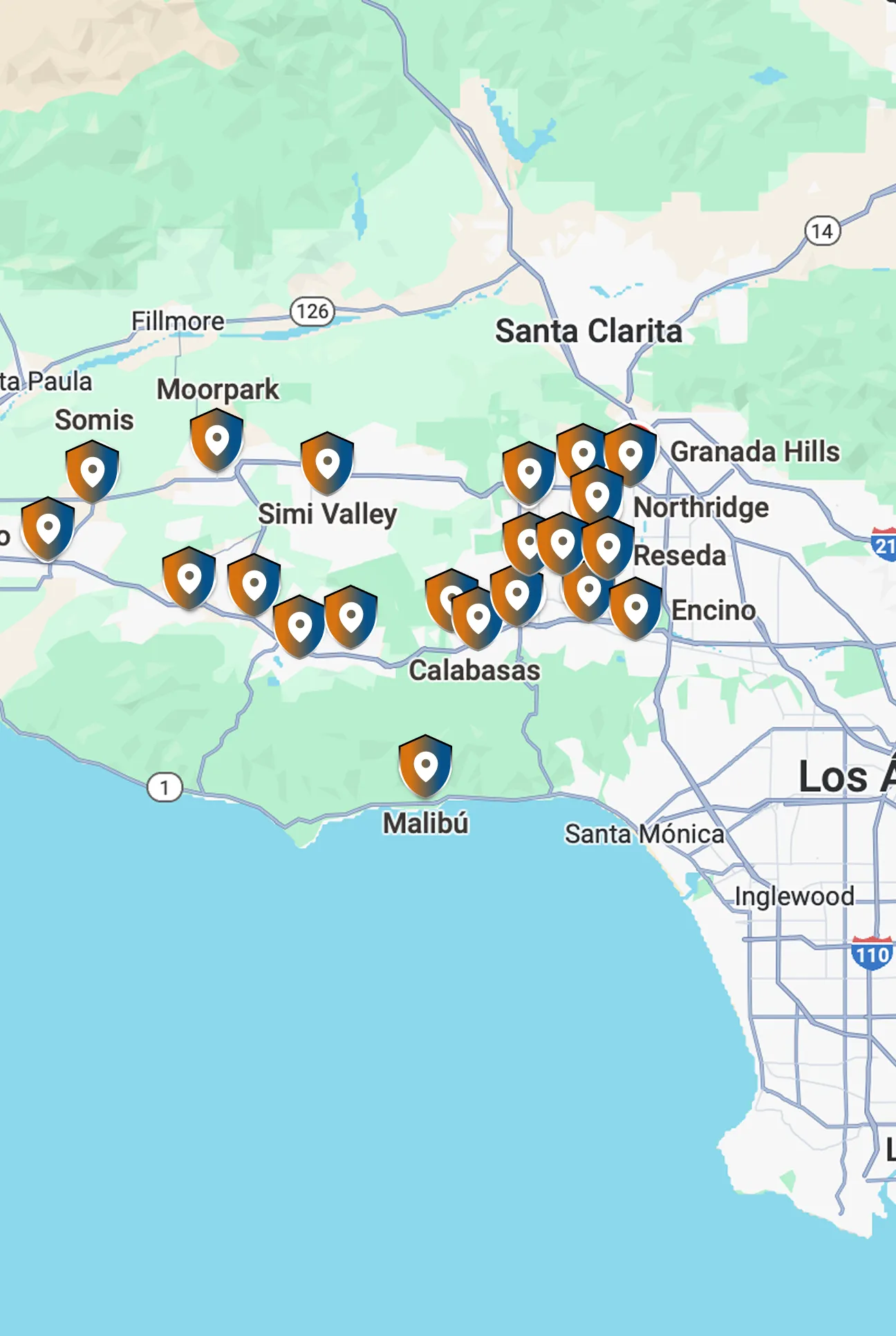
Our service areas encompass a wide range of locations, ensuring that we can meet the needs of our clients wherever they are. From bustling urban centers to serene suburban neighborhoods, we are committed to providing top-notch services tailored to each community.