

Mini Split Installation in Tarzana, CA
Embracing modern home comfort in Tarzana, CA, often involves exploring advanced heating and cooling solutions like ductless mini-split systems. These innovative systems offer targeted climate control, exceptional energy efficiency, and a host of benefits that traditional HVAC setups can't match. For homeowners and businesses in Tarzana looking to upgrade their comfort, a professional mini-split installation is a foundational step toward achieving optimal indoor environments. Understanding the comprehensive process ensures your investment yields lasting comfort and efficiency.
Mini-split systems are composed of an outdoor condenser unit connected to one or more indoor air handlers via a conduit that houses the refrigerant lines, power cable, and condensate drain. Unlike central air conditioning, mini-splits do not require extensive ductwork, making them ideal for homes without existing ducts, room additions, or for creating zoned comfort in specific areas. Their compact size and flexible placement options make them a versatile choice for a wide range of properties in the Tarzana area, from cozy bungalows to sprawling estates.

The Professional Mini Split Installation Process
A seamless and effective mini-split installation is a multi-step process that requires precision, technical expertise, and an understanding of your property's unique characteristics. Here’s a detailed look at what a professional installation entails:
Initial Consultation and Site Assessment
The journey begins with a thorough consultation and site assessment at your Tarzana property. During this crucial first phase, experienced technicians evaluate your home's layout, insulation levels, window efficiency, and specific heating and cooling needs. They will discuss your comfort preferences, identify the areas requiring climate control, and assess the thermal load of each space. This assessment is vital for determining the appropriate sizing and type of mini-split system required, preventing issues like short-cycling or insufficient cooling/heating that can arise from improper sizing.
Key considerations during the site assessment include:
- Identifying optimal locations for both indoor air handlers and the outdoor condenser unit to ensure efficient operation, quiet performance, and aesthetic integration.
- Assessing electrical panel capacity to confirm it can support the new system's power requirements.
- Mapping out the most efficient and least intrusive routes for refrigerant lines and electrical wiring.
- Evaluating drainage options for the condensate lines to ensure proper moisture removal.
Unit Sizing and Selection
Based on the site assessment, technicians will recommend the ideal mini-split system, including the appropriate BTUs (British Thermal Units) for each indoor unit and the overall capacity of the outdoor unit. Proper sizing is paramount; an undersized unit will struggle to condition the space, while an oversized unit will cycle on and off too frequently, wasting energy and leading to inconsistent temperatures.
Considerations for unit selection also extend to:
- Single-zone vs. Multi-zone systems: Determining whether one indoor unit is sufficient or if multiple units connected to a single outdoor unit are needed for zoned control.
- Energy Efficiency Ratings: Guiding you through SEER2 (Seasonal Energy Efficiency Ratio 2) and HSPF2 (Heating Seasonal Performance Factor 2) ratings to ensure your chosen system meets your efficiency goals and potentially qualifies for local incentives.
- Features: Discussing various features like inverter technology for variable speed operation, advanced filtration, remote control capabilities, and smart thermostat compatibility.
Preparing for Installation Day
Once the system is selected, preparations are made for the installation day. This includes ensuring all necessary equipment and materials are on-site and confirming access to the designated installation areas. Any required electrical upgrades or minor structural modifications will be planned and communicated beforehand.
Mounting the Indoor Units
On installation day, the indoor air handler units are securely mounted to walls, ceilings, or floors, depending on the chosen style. Technicians ensure the mounting is level and stable, optimizing airflow and aesthetics. Precision is key here to prevent future issues and ensure the system operates quietly.
Placing the Outdoor Unit
The outdoor condenser unit is positioned on a level, stable pad or mounting bracket, typically on the ground or a wall outside the home. Careful consideration is given to clearances around the unit to ensure adequate airflow, which is critical for efficient operation. Technicians also consider noise levels and aesthetic impact, especially in residential areas like Tarzana, ensuring the outdoor unit is placed discreetly and does not disturb neighbors.
Connecting Refrigerant Lines and Electrical Wiring
This is arguably the most critical technical phase. Refrigerant lines, which carry the vital cooling and heating agent, are carefully run from the outdoor unit to each indoor unit through a small penetration in the wall. Electrical wiring is safely connected to power both the indoor and outdoor units and allow them to communicate. This step requires specialized tools and expertise to create leak-proof connections and ensure correct electrical hookups, adhering to all local building codes and safety standards. Proper vacuuming of the refrigerant lines is performed to remove any moisture and non-condensable gases, which can severely impact system performance and longevity.
Condensate Drain Line Installation
Each indoor unit produces condensate (water) during the cooling process. A drain line is installed to safely channel this moisture away from the unit and out of your home, typically leading to a nearby drain or outdoors. Proper sloping and secure connections are essential to prevent leaks, water damage, and mold growth.
System Commissioning and Testing
After all connections are made, the system undergoes a rigorous commissioning and testing phase. This involves:
- Charging the System: Adding the precise amount of refrigerant needed for optimal performance.
- Checking Pressures and Temperatures: Verifying that the refrigerant pressures and air temperatures are within manufacturer specifications.
- Airflow Balancing: Ensuring proper airflow from each indoor unit to achieve uniform comfort.
- Thermostat Calibration: Calibrating the thermostat or remote control to accurately reflect and maintain desired temperatures.
- Leak Detection: Performing thorough leak tests on all refrigerant line connections to ensure system integrity.
Post-installation testing involves running the system through various modes (heating, cooling, fan only) to confirm full functionality and efficiency. Technicians will observe system behavior, listen for unusual noises, and measure performance parameters.
Post-Installation Briefing and Warranty Information
Upon completion of testing, the installation team provides a comprehensive briefing on how to operate your new mini-split system, including an explanation of its features, programmable settings, and basic maintenance tips. You will also receive detailed information regarding your system’s manufacturer warranties, which typically cover parts and the compressor for several years. Professional installers often provide their own labor warranty, offering additional peace of mind regarding the quality of the installation itself. Understanding these warranties is important for ensuring long-term protection of your investment.
Why Professional Installation Matters
Opting for professional mini-split installation in Tarzana, CA, is not just about convenience; it's about ensuring safety, efficiency, and longevity for your system. A certified HVAC technician has the specialized knowledge, tools, and experience to handle the complexities of mini-split systems. This includes precise load calculations, accurate refrigerant charging, secure electrical connections, and adherence to all local building codes. Improper installation can lead to decreased efficiency, premature system failure, voided warranties, and even safety hazards. With professional installation, you gain the assurance that your mini-split system will operate at its peak performance, delivering reliable comfort and energy savings for many years to come.

Service Areas
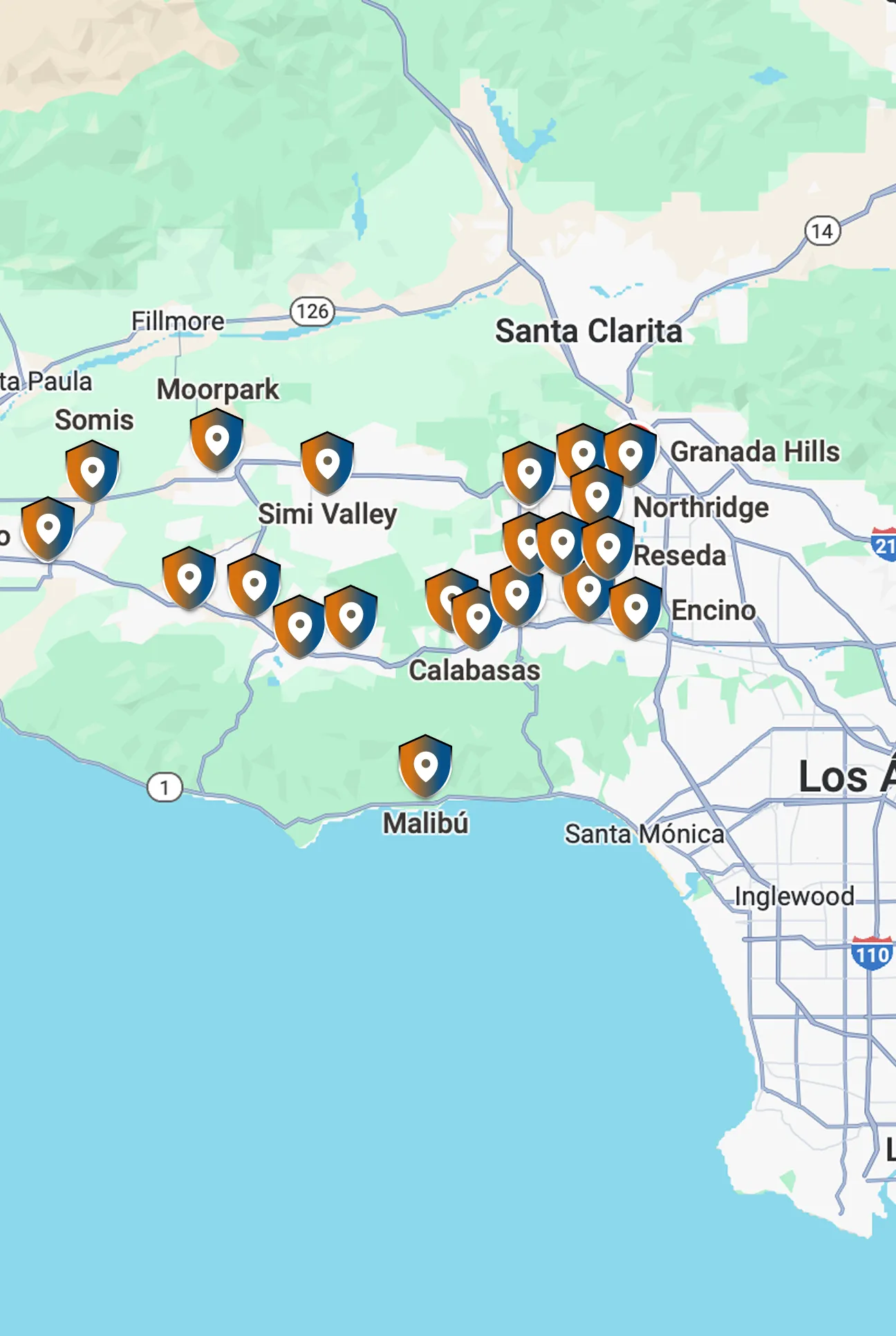
Our service areas encompass a wide range of locations, ensuring that we can meet the needs of our clients wherever they are. From bustling urban centers to serene suburban neighborhoods, we are committed to providing top-notch services tailored to each community.