

Mini Split Installation in Woodland Hills, CA
Modern home comfort in Woodland Hills often calls for heating and cooling solutions that offer precision, efficiency, and flexibility. Ductless mini-split systems have emerged as an ideal choice for many residents seeking to optimize their indoor climate control. These innovative systems provide targeted heating and cooling, making them perfect for individual rooms, home additions, converted spaces, or supplementing existing HVAC setups. When considering mini-split installation in Woodland Hills, understanding the professional process and benefits is key to achieving lasting comfort and energy savings.
Understanding Ductless Mini-Split Systems
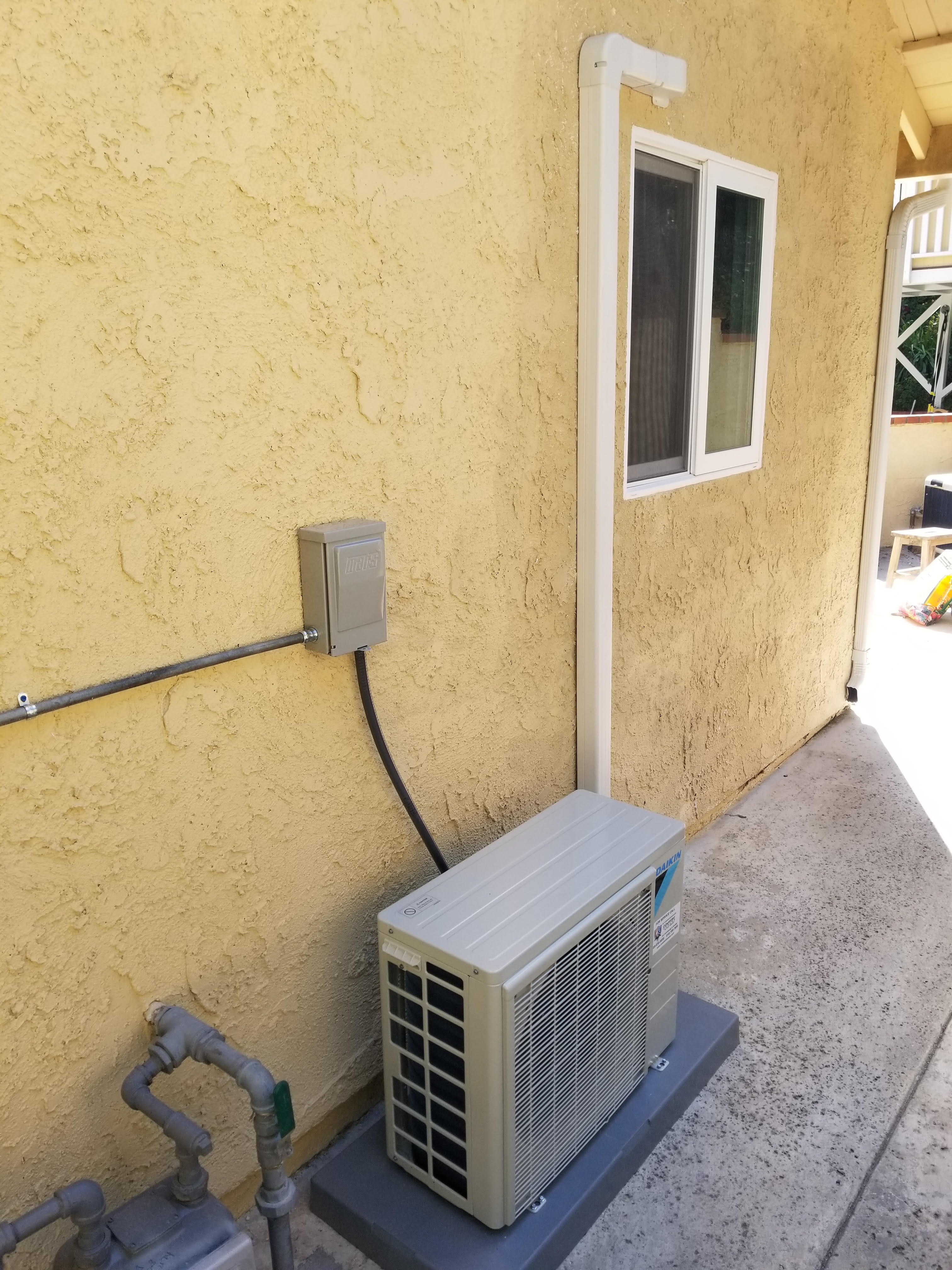
A ductless mini-split system is an HVAC solution that, as its name suggests, operates without the need for extensive ductwork. It consists of two primary components: an outdoor condenser/compressor unit and one or more indoor air-handling units. These units are connected by a small conduit that houses the refrigerant lines, power cable, and condensate drain. This design allows for zoned heating and cooling, meaning you can control the temperature independently in different areas of your home. Mini-splits are known for their quiet operation, energy efficiency, and ability to both cool and heat spaces, offering year-round comfort.
Why Ductless Mini-Splits are Ideal for Woodland Hills Homes
Woodland Hills experiences distinct seasons, from warm, often hot summers to cooler winters. This climate makes efficient and adaptable HVAC crucial. Mini-splits offer several advantages that align perfectly with the needs of local homeowners:
- Zoned Comfort: Instead of cooling or heating your entire home, mini-splits allow you to condition only the rooms you are using. This reduces energy waste and provides personalized comfort. For example, you can keep a bedroom cool at night while other unused areas maintain a higher temperature.
- Energy Efficiency: Many mini-split systems feature inverter-driven technology, which allows the compressor to vary its speed and output to precisely match the cooling or heating demand. This avoids the constant on-off cycling of traditional systems, leading to significant energy savings and lower utility bills.
- Flexibility and Versatility: Mini-splits are highly adaptable. They are an excellent solution for homes without existing ductwork, new additions, garages converted into living spaces, or even as supplemental heating and cooling in areas that your central system struggles to reach.
- Improved Indoor Air Quality: Without ducts, there are fewer opportunities for dust, allergens, and other airborne particles to accumulate and be recirculated throughout your home. Some indoor units also feature advanced filtration systems.
- Quiet Operation: Both the indoor and outdoor units of mini-split systems are designed for remarkably quiet operation, ensuring your home environment remains peaceful.
The Professional Mini-Split Installation Process
Installing a ductless mini-split system is a precise process that requires specialized knowledge and tools to ensure optimal performance, efficiency, and longevity. A professional installation typically follows several key steps:
1. Site Assessment and System Design
The installation begins with a thorough site assessment of your Woodland Hills property. Experienced technicians evaluate the specific areas you wish to heat or cool, considering factors such as room size, insulation levels, window exposure, and the number of occupants. This assessment helps determine the appropriate number of indoor units, their ideal placement, and the precise sizing of both indoor and outdoor components to meet your home's unique comfort demands. During this phase, options for single-zone versus multi-zone systems (where one outdoor unit powers multiple indoor units) are discussed based on your needs.
2. Equipment Selection and Sizing
Based on the site assessment, the correct mini-split system is selected. This includes determining the appropriate BTU (British Thermal Unit) capacity for each indoor unit and the outdoor condenser. Precise sizing is critical; an undersized unit will struggle to heat or cool effectively, while an oversized unit will cycle on and off too frequently, reducing efficiency and comfort. Technicians also consider features like inverter-driven compressors, which optimize energy usage by adjusting output rather than operating at full power constantly.
3. Mounting Indoor and Outdoor Units
The indoor air handlers are typically mounted high on a wall, close to the ceiling, but can also be floor-standing or ceiling-recessed depending on the model and aesthetic preference. The outdoor unit is placed on a solid, level pad or mounted on a wall bracket outside, ideally in a location that provides good airflow and easy access for maintenance, while minimizing noise disturbance. Proper mounting ensures stability, safety, and efficient operation.
4. Refrigerant Piping and Electrical Connections
This is a critical stage where the outdoor unit is connected to the indoor units via refrigerant lines. These copper lines are carefully run through a small conduit (typically a 3-inch hole) drilled through the wall, minimizing structural impact. Vacuuming the refrigerant lines before charging is essential to remove all moisture and air, preventing system contamination and ensuring efficient performance.
Electrical wiring connects the indoor units to the outdoor unit, and the outdoor unit is connected to your home's main electrical panel. All electrical work is performed by licensed professionals to meet local Woodland Hills electrical codes and safety standards, ensuring a secure and reliable power supply to the system.
5. Condensate Drain Line Installation
As mini-splits cool, they remove humidity from the air, producing condensate (water). A drain line is installed from the indoor unit, pitched to allow gravity to carry the water away from the unit and safely outdoors, or into an existing drain system. Proper drainage prevents water damage and mold growth.
6. System Testing and Commissioning
Once all components are installed, connected, and secured, the system undergoes rigorous testing. This includes checking for refrigerant leaks, verifying proper electrical connections, ensuring correct airflow from the indoor units, and confirming that the system is heating and cooling effectively. Technicians will commission the system, calibrating settings for optimal performance and efficiency, and ensuring all functions, including remote control operation, work as intended.
7. Code Compliance and Warranty Considerations
A professional installation adheres to all local building codes and regulations in Woodland Hills, ensuring safety and legality. Furthermore, proper installation by a certified technician is often a requirement to validate the manufacturer's warranty. Understanding the specific warranty terms for your chosen mini-split system, including coverage for parts and labor, provides peace of mind regarding your investment.
The Benefits of Professional Mini-Split Installation
Attempting a DIY mini-split installation or relying on an inexperienced installer can lead to numerous problems, including inefficient operation, premature system failure, voided warranties, and even safety hazards. Professional installation ensures:
- Optimal Performance: Correct sizing, proper refrigerant charging, and precise electrical connections are crucial for the system to operate at its peak efficiency and deliver consistent comfort.
- Energy Savings: An expertly installed system is calibrated to maximize energy efficiency, translating into lower energy consumption and reduced utility bills for your Woodland Hills home.
- Extended System Lifespan: Proper installation minimizes strain on components, reducing wear and tear and significantly extending the operational life of your mini-split system.
- Compliance and Safety: Adherence to all relevant building codes and safety standards protects your home and family.
- Warranty Protection: Most manufacturers require professional installation for the warranty to remain valid. This protects your investment against potential defects.
- Expert Guidance: Professionals provide valuable insights on system operation, maintenance, and answer any questions you may have post-installation.
Choosing Your Mini-Split Installer in Woodland Hills
Selecting a qualified and reputable HVAC provider for your mini-split installation in Woodland Hills is as important as choosing the right system itself. Look for providers with a proven track record of successful installations, deep knowledge of mini-split technologies (including inverter-driven and multi-zone systems), and a commitment to customer satisfaction. Expertise in local building codes and a focus on detail during the entire installation process ensures that your new mini-split system provides reliable, efficient comfort for many years to come.

Service Areas
Our service areas encompass a wide range of locations, ensuring that we can meet the needs of our clients wherever they are. From bustling urban centers to serene suburban neighborhoods, we are committed to providing top-notch services tailored to each community.