

AC Replacement in Simi Valley, CA
AC replacement in Simi Valley, CA, detailing key indicators that signal when an upgrade is advisable. It covers signs like unit age, frequent costly repairs, rising energy bills, poor cooling performance, R-22 refrigerant phase-out, and unusual noises or odors. The benefits of modern high-efficiency systems, including improved SEER ratings, consistent comfort, quieter operation, smart technology integration, and eco-friendly refrigerants, are explored. The professional AC replacement and installation process is outlined step-by-step, emphasizing the importance of a home assessment and proper calibration. Finally, it touches upon warranty implications and available financing options for homeowners.

AC Replacement Services in Simi Valley, CA
When the summer sun beats down on Simi Valley, a reliable air conditioning system isn't just a luxury—it's a necessity for maintaining comfort and well-being within your home. Over time, even the most robust AC units reach the end of their operational lifespan, becoming less efficient, more prone to breakdowns, and ultimately costing more to run than they are worth. Investing in a new AC replacement is a significant decision that offers long-term benefits, from enhanced comfort to substantial energy savings. Understanding when to replace your system and what options are available is crucial for making an informed choice for your Simi Valley home.
When is AC Replacement Advisable for Your Home?
Identifying the right time for an AC replacement can save you from unexpected discomfort and costly emergency repairs. While every system is different, several key indicators suggest that a new installation might be the most practical and economical solution:
- Age of Your Unit: Most central air conditioners have a lifespan of 10 to 15 years. If your AC unit is approaching or has exceeded this age range, its efficiency naturally declines, and components begin to wear out. Even with diligent maintenance, older systems are simply not designed to meet modern energy efficiency standards.
- Frequent Breakdowns and Costly Repairs: Are you calling for repairs more often than usual? If your AC unit requires multiple service calls per season, or if the cost of a single repair approaches 50% of the cost of a new system, replacement is often the more financially sensible choice. Continual repairs can become a drain on your finances and patience.
- Skyrocketing Energy Bills: An aging or inefficient AC unit has to work harder to cool your home, leading to a significant increase in your monthly electricity bills. If you've noticed a steady rise in energy consumption without a corresponding change in usage patterns, your AC unit's inefficiency could be the culprit. Newer, high-efficiency models can drastically reduce energy consumption.
- Poor Cooling Performance: Is your home not as cool as it used to be, or are certain rooms consistently warmer than others despite the AC running constantly? This often indicates that your system is struggling to meet your cooling demands, potentially due to an undersized unit, refrigerant issues, or component failure.
- R-22 Refrigerant Phase-Out: Older AC units often use R-22 (Freon) refrigerant, which has been largely phased out due to environmental concerns. As supplies dwindle, R-22 becomes increasingly expensive and difficult to find. If your system leaks R-22, recharging it can be extremely costly, making replacement with an R-410A (Puron) or newer refrigerant system a more sustainable option.
- Unusual Noises or Odors: While some operational noises are normal, grinding, squealing, banging, or persistent buzzing sounds indicate mechanical problems. Similarly, burning or musty odors emanating from your vents can signal electrical issues or mold growth within the system, pointing towards a need for thorough inspection and potential replacement.
Upgrading to Modern High-Efficiency Systems
Choosing to replace your old AC unit opens the door to a new generation of high-efficiency cooling technologies that offer superior comfort and significant long-term savings. Modern systems are designed with advanced features that were unavailable just a few years ago.
- Enhanced Energy Efficiency (SEER Ratings): New AC units boast higher Seasonal Energy Efficiency Ratio (SEER) ratings, indicating how efficiently they convert electricity into cooling. Upgrading from an old 8-10 SEER unit to a new 16-20 SEER or higher system can lead to substantial reductions in energy consumption, often cutting cooling costs by 30-50%.
- Improved Comfort and Consistency: Advanced systems offer multi-stage or variable-speed compressors and fan motors, allowing them to adjust their output precisely to meet your home's cooling needs. This results in more consistent temperatures throughout your home, better humidity control, and fewer uncomfortable temperature swings.
- Quieter Operation: Modern AC units are engineered for quiet performance, often featuring insulated cabinets and advanced fan designs that significantly reduce operational noise compared to older models.
- Advanced Features and Smart Technology: Many new systems integrate seamlessly with smart thermostats, allowing for remote control, precise scheduling, and zone control to optimize comfort in different areas of your home. Some also offer advanced filtration for improved indoor air quality.
- Eco-Friendly Refrigerants: New systems use environmentally friendly refrigerants like R-410A, which do not deplete the ozone layer. This ensures your new system is compliant with current environmental regulations.
Options for your Simi Valley home include traditional central air conditioning split systems, energy-efficient heat pumps that provide both heating and cooling, and versatile ductless mini-split systems for zoned comfort or homes without existing ductwork. For comprehensive climate control, Variable Refrigerant Flow (VRF/VRV) systems offer sophisticated solutions for larger or more complex residential spaces. As a Daikin Comfort Pro, many high-efficiency options from Daikin, known for their innovative and reliable HVAC solutions, are available for residential applications.
The AC Replacement and Installation Process
A professional AC replacement involves more than just swapping out the old unit for a new one. It's a precise process that ensures your new system is correctly sized, installed, and optimized for peak performance and longevity.
- Comprehensive Home Assessment: The process begins with a thorough evaluation of your home, including its size, insulation, window efficiency, sun exposure, and existing ductwork. This crucial step allows for an accurate "load calculation" to determine the precise cooling capacity (BTUs) your home requires. An improperly sized unit, whether too small or too large, will operate inefficiently and fail to provide optimal comfort.
- System Recommendation and Selection: Based on the assessment, knowledgeable professionals will recommend suitable AC systems that meet your cooling needs, budget, and efficiency goals. This includes discussing different brands, models, SEER ratings, and features, helping you make an informed decision.
- Safe Removal of Old Equipment: The existing outdoor condenser unit, indoor evaporator coil, and any associated lines are carefully disconnected and removed. Proper disposal of old refrigerants and components is essential and handled according to environmental regulations.
- Ductwork Inspection and Modification (if necessary): The existing ductwork is inspected for leaks, proper sizing, and integrity. Any necessary repairs, sealing, or modifications are performed to ensure efficient airflow and prevent energy loss.
- Installation of New Components: The new indoor coil is installed within your furnace or air handler, and the new outdoor condenser unit is placed on a level pad. New refrigerant lines, electrical wiring, and condensate drain lines are meticulously run and connected.
- Refrigerant Charging and Leak Testing: The system is evacuated of air and moisture, and the correct amount of new, environmentally friendly refrigerant is accurately charged according to manufacturer specifications. All connections are then meticulously checked for leaks to ensure a sealed system.
- System Start-Up and Calibration: Once installed, the system is powered on and tested. Technicians calibrate the thermostat, balance airflow, and verify proper operation of all components, ensuring it's delivering optimal cooling performance.
- Post-Installation Guidance: Finally, the technicians will walk you through the operation of your new system and thermostat, explain maintenance recommendations, and answer any questions you may have.
Warranty and Maintenance Implications
A new AC system comes with significant benefits, including robust manufacturer warranties that protect your investment. Most new units offer 10-12 year warranties on parts and compressors, and sometimes even labor warranties, provided the unit is installed by a qualified professional and properly maintained. Neglecting regular maintenance can void these valuable warranties.
To maximize the lifespan and efficiency of your new AC system, preventative maintenance is crucial. Annual tune-ups help identify potential issues before they become major problems, ensure your system is running at peak efficiency, maintain indoor air quality, and keep your utility bills low. Many service providers offer maintenance plans that include scheduled inspections and cleanings, providing peace of mind and protecting your warranty coverage.
Financing Considerations for Your Home Cooling Upgrade
Replacing an AC system is a significant investment in your home's comfort and value. While the upfront cost may seem substantial, the long-term savings on energy bills and reduced repair expenses often make it a worthwhile expenditure. To make this essential upgrade more accessible, various flexible financing options are often available. These options can help homeowners manage the cost by spreading payments over time, allowing you to enjoy immediate comfort without a large upfront capital outlay. Exploring these financing solutions can provide the flexibility needed to install a modern, energy-efficient system that enhances your home environment and reduces your monthly operational costs.

Service Areas
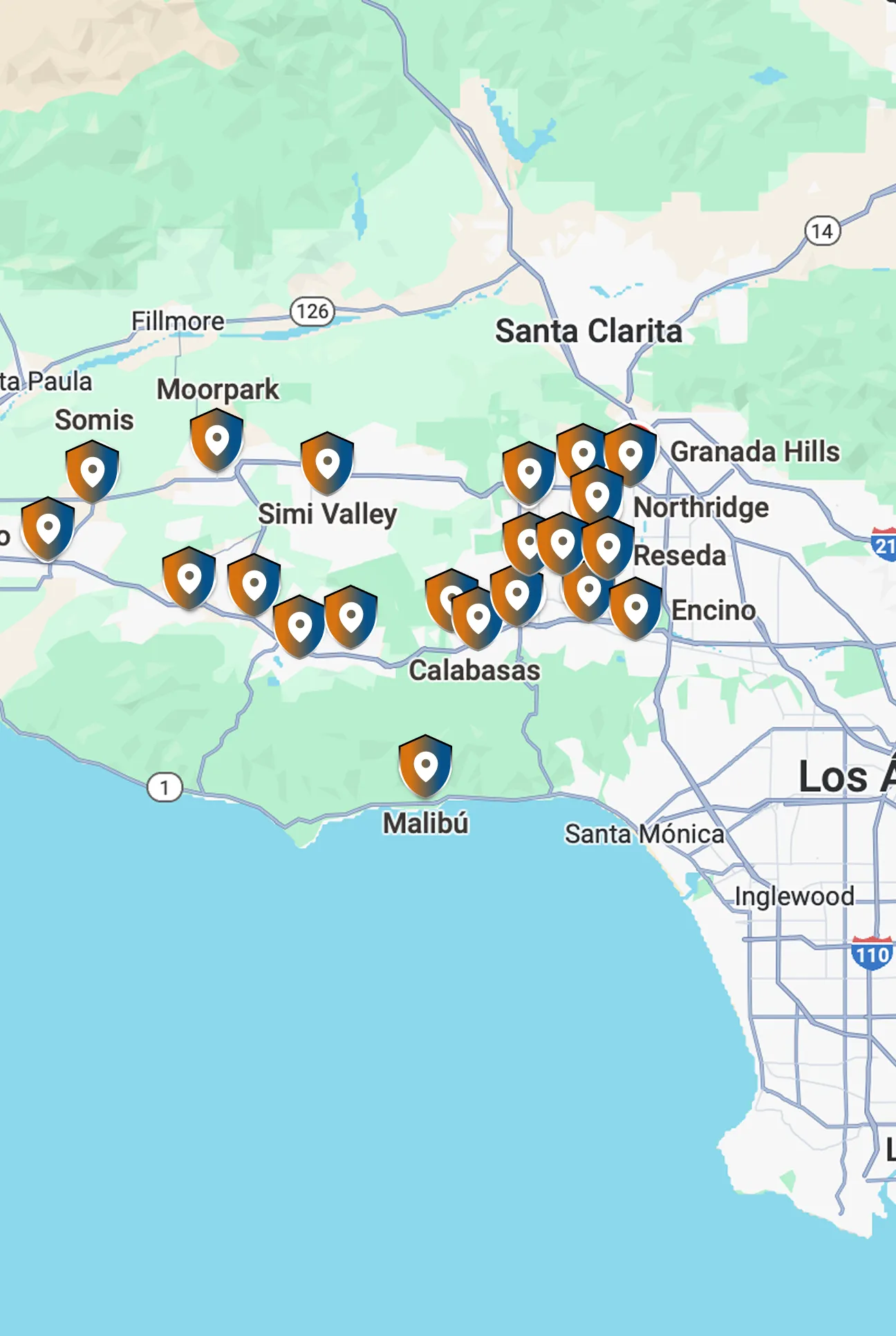
Our service areas encompass a wide range of locations, ensuring that we can meet the needs of our clients wherever they are. From bustling urban centers to serene suburban neighborhoods, we are committed to providing top-notch services tailored to each community.