


Residents of Hidden Hills rely on their heat pumps for efficient year-round comfort, providing essential cooling during warm periods and reliable warmth when temperatures drop. These versatile systems are an excellent choice for the local climate, offering an energy-efficient alternative for maintaining indoor comfort. However, like any intricate mechanical system, heat pumps can encounter issues that disrupt their performance. When your heat pump malfunctions, it's not merely an inconvenience; it can significantly impact your home's comfort, air quality, and energy efficiency. Prompt and professional heat pump repair is essential to restore optimal operation, prevent minor issues from escalating, and ensure your investment continues to deliver comfort for years to come.
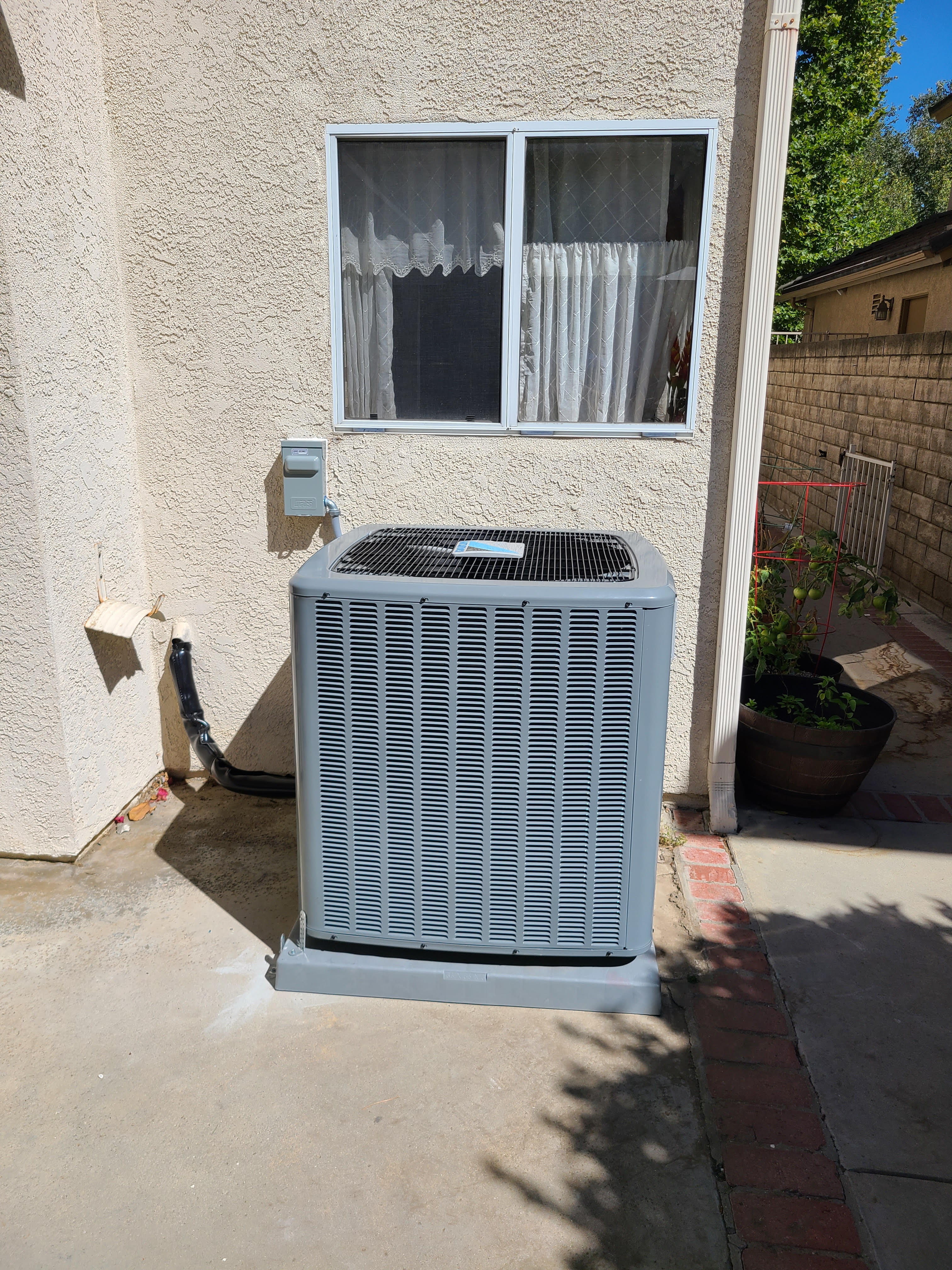
Why Heat Pumps Malfunction
A heat pump's consistent operation depends on a complex interplay of electrical, mechanical, and refrigerant components. Over time, wear and tear, environmental factors, or sudden component failures can lead to a decrease in efficiency or a complete system shutdown. Recognizing the signs of trouble early can often save homeowners from more extensive and costly repairs down the line. Common indicators that your heat pump may require professional attention include unusual noises, insufficient heating or cooling, a sudden increase in energy bills, or the system frequently cycling on and off. Addressing these symptoms promptly can prevent further damage to the system.
Common Heat Pump Problems Requiring Repair
Understanding the typical issues that affect heat pumps can help homeowners identify when professional intervention is necessary to restore their system's functionality.
- Refrigerant Leaks: Refrigerant is the lifeblood of your heat pump, responsible for absorbing and releasing heat as it circulates between the indoor and outdoor units. A leak in the refrigerant lines not only severely diminishes the system's ability to heat or cool effectively but also poses environmental concerns. Signs of a refrigerant leak can include a hissing sound emanating from the unit, ice buildup on the outdoor unit's coils, or a noticeable decrease in the system's heating or cooling capacity. Repairing a leak involves precisely pinpointing its source, repairing the compromised line or component, and then accurately recharging the system with the appropriate type and amount of refrigerant. It is crucial that any leak repair is followed by a thorough system evacuation and proper recharge, as simply adding more refrigerant without fixing the leak is merely a temporary and often damaging band-aid solution.
- Compressor Problems: The compressor is often considered the heart of your heat pump, as it circulates the refrigerant and raises its pressure and temperature, enabling the crucial heat transfer process. When the compressor fails, the entire system essentially stops working. Compressor issues can stem from various factors, including electrical problems, persistently low refrigerant levels (leading to overwork), or simply reaching the end of its operational lifespan due to old age and cumulative wear. Symptoms of a failing compressor may include the unit failing to start, making loud grinding, clanking, or buzzing noises, or repeatedly tripping the circuit breaker. Compressor replacement is a significant repair, often prompting homeowners to consider the age and overall condition of their entire unit before committing to the repair, as it can be a substantial investment.
- Defrost Cycle Faults: Heat pumps operating in cooler ambient temperatures, especially during the winter months, can develop a layer of frost or ice buildup on the outdoor coil. This accumulation is a normal occurrence in certain conditions. The defrost cycle is specifically designed to melt this ice to maintain the system's efficiency and prevent damage. If the defrost cycle malfunctions, ice can accumulate excessively, leading to significantly reduced heating capacity, increased energy consumption, and potential damage to the outdoor unit's components due to ice expansion. Common causes for defrost cycle issues include a faulty defrost board, a malfunctioning temperature sensor, or a problem with the reversing valve. Addressing these faults ensures the system can shed ice effectively and continue to operate efficiently in heating mode, preventing long-term operational issues.
- Other Electrical and Mechanical Failures: Beyond these major components, heat pumps rely on a multitude of smaller electrical and mechanical parts that can fail and disrupt performance.
- Fan Motor Issues: Both the indoor (blower) and outdoor (condenser) fan motors are critical for air circulation and efficient heat exchange. A failing motor can lead to poor airflow, overheating of components, or unusual grinding, squealing, or buzzing noises.
- Capacitor Failure: Capacitors store electrical energy and provide the necessary boost to start the fan motors and the compressor. A failing or "blown" capacitor can prevent the fan or compressor from starting, resulting in a unit that hums but doesn't operate, or one that struggles to start.
- Thermostat Malfunctions: The thermostat is the control center of your HVAC system. A faulty thermostat can misread ambient temperatures, leading to inaccurate heating or cooling, or cause the unit to cycle erratically (short-cycling) or not respond to settings.
- Reversing Valve Problems: This component is unique to heat pumps and allows the system to switch between heating and cooling modes by changing the direction of refrigerant flow. If the reversing valve sticks or fails, the heat pump may only provide one mode of operation (e.g., only cooling when heat is desired), or it may fail to operate in either mode effectively.
- Contactor Issues: The contactor is an electrical switch that uses a low-voltage signal from the thermostat to switch on the high-voltage power to major components like the compressor and outdoor fan. A worn, pitted, or burnt contactor can prevent the outdoor unit from receiving power, causing the system to fail to start.
Our Diagnostic Approach
Effective heat pump repair begins with a precise and accurate diagnosis of the underlying problem. Our process involves a systematic and thorough inspection of your system to pinpoint the root cause of the malfunction. Technicians will:
- Listen to your observations: Your detailed description of the problem, including noises, temperatures, and operational patterns, provides valuable initial clues.
- Conduct a comprehensive visual inspection: This involves checking for obvious signs such as refrigerant leaks, damaged wiring, excessive ice buildup, or obstructions.
- Test electrical components: Specialized diagnostic tools are used to check voltage, amperage, and resistance in motors, capacitors, wiring, and control boards to identify electrical faults.
- Measure refrigerant levels and pressures: This step verifies that the refrigerant is at the correct charge and circulating properly throughout the system, indicating potential leaks or overcharging.
- Evaluate system controls: The thermostat, control board, and various sensors are assessed for proper communication and operational accuracy.
- Inspect mechanical parts: Fan blades, coils, and other moving parts are examined for wear, damage, or blockages.This meticulous diagnostic approach ensures that repairs are targeted, effective, and address the true source of the problem, preventing guesswork and unnecessary part replacements.
Comprehensive Repair Options
Once the issue is accurately diagnosed, a range of repair options may be available to restore your heat pump's functionality. Our primary goal is to provide reliable, lasting solutions that restore your heat pump's performance and efficiency. Repairs can range from minor adjustments and thorough cleaning to the replacement of individual components. We prioritize repairs that offer the best long-term value, always considering the age, efficiency, and overall condition of your unit. In some cases, particularly with very old units or major component failures like a compressor, a full system replacement might prove to be a more cost-effective and energy-efficient solution in the long run. We will clearly explain all viable options, detailing the scope of work, estimated timeframes, and expected outcomes, empowering you to make an informed decision for your Hidden Hills home.
Parts, Warranties, and Longevity
When performing heat pump repairs, the quality of replacement parts is paramount to ensuring the longevity and reliability of the repair. We exclusively utilize high-quality, manufacturer-approved components to ensure compatibility and optimal performance. Many new parts come with their own manufacturer warranties, offering additional peace of mind regarding their reliability and durability. Our labor for repairs is also typically backed by a service warranty, reinforcing our commitment to quality workmanship. Understanding these warranty details, along with the expected lifespan of newly installed components, helps ensure your heat pump operates reliably for many years to come. Our aim is to extend the life of your existing system whenever possible, helping you maximize your initial investment.
Emergency vs. Scheduled Repairs
Heat pump issues rarely occur at convenient times, and a sudden breakdown can significantly impact your home's comfort, especially during extreme temperatures. For critical malfunctions that leave your Hidden Hills home without heating or cooling, particularly during peak seasons, emergency repair services are crucial. Our team prioritizes prompt response times for urgent situations, understanding the discomfort and potential health risks associated with a non-functional HVAC system. For less urgent issues, such as minor efficiency drops, unusual noises that are not immediately critical, or intermittent problems, scheduled repair appointments allow for flexibility and often more detailed planning. We work diligently to accommodate your schedule while ensuring timely resolution of your heat pump concerns.
Preventative Maintenance for Heat Pumps
While unexpected breakdowns can sometimes occur, a significant number of heat pump repairs can be avoided through regular, proactive preventative maintenance. A well-maintained heat pump operates more efficiently, lasts longer, and is significantly less prone to sudden failures. Key maintenance practices include:
- Regular Filter Changes: Replace or clean your air filters monthly, or as recommended by the manufacturer, to ensure good airflow and prevent strain on the system.
- Keeping Outdoor Unit Clear: Regularly remove leaves, dirt, grass clippings, and other debris from around the outdoor unit to prevent airflow obstruction and maintain proper heat exchange.
- Clear Condensate Drain Lines: Ensure the condensate drain line is clear of clogs to prevent water overflow, potential water damage, and excessive humidity.
- Annual Professional Tune-Ups: Schedule a professional inspection and tune-up for your heat pump system annually. During this comprehensive service, technicians will clean coils, check refrigerant levels, test all electrical connections for safety and integrity, lubricate moving parts, and verify thermostat accuracy. This proactive approach helps identify minor issues before they escalate into major repairs and significantly contributes to maintaining optimal system efficiency and extending its lifespan.
Ensuring Lasting Comfort in Hidden Hills
Your heat pump represents a significant investment in your home's comfort, air quality, and energy management. When it requires attention, you need skilled, reliable professionals who possess a deep understanding of the intricacies of heat pump systems. Whether you are experiencing a refrigerant leak, a faulty compressor, a complex electrical issue, or a problem with the defrost cycle, expert heat pump repair can swiftly restore your system's performance and efficiency. We are committed to providing Hidden Hills residents with transparent, effective, and lasting repair solutions, ensuring your home remains a sanctuary of comfort throughout every season.

Service Areas
Our service areas encompass a wide range of locations, ensuring that we can meet the needs of our clients wherever they are. From bustling urban centers to serene suburban neighborhoods, we are committed to providing top-notch services tailored to each community.