

Whole House Air Purification Systems in Calabasas, CA
Enhance your Calabasas home's indoor air quality with a whole house air purification system, tackling contaminants like dust, allergens, VOCs, and microbes that exceed outdoor levels. Unlike portable units, these systems integrate with your HVAC for consistent, whole-home purification. Key technologies include MERV filters, HEPA filters, UV-C lights, activated carbon, and PCO to combat various pollutants. Installation requires professional expertise for optimal performance and airflow. Regular maintenance, including filter and UV lamp replacement, ensures continued effectiveness and longevity. Investing in this system provides a healthier, more comfortable living environment.

Whole House Air Purification Systems in Calabasas, CA
The air within your Calabasas home can harbor a complex mix of invisible contaminants, often exceeding the pollutant levels found outdoors. From common dust and pet dander to more insidious microscopic particles like mold spores, bacteria, viruses, and volatile organic compounds (VOCs) originating from cleaning products or building materials, these elements significantly impact indoor air quality. For residents of Calabasas, external factors such as seasonal allergens, wildfire smoke, and vehicle emissions can further compromise the air that circulates throughout their living spaces. A comprehensive whole house air purification system offers a proactive and effective solution to these concerns, ensuring a healthier and more comfortable indoor environment for your family.
Unlike portable air purifiers that address only a single room or limited area, a whole house air purification system integrates directly with your existing heating, ventilation, and air conditioning (HVAC) system. This seamless integration ensures that every cubic foot of air circulating through your home’s ductwork is treated, providing consistent purification across all rooms. This approach not only cleans the air more efficiently but also does so quietly and out of sight, without the need for multiple units or floor space clutter.
Understanding the Need for Advanced Air Purification
Indoor air quality (IAQ) is a critical component of overall home comfort and health. Everyday activities, combined with external environmental factors, contribute to a cocktail of airborne pollutants:
- Particulates: This category includes everything from dust mites and pollen to pet dander, lint, and even microscopic particles from cooking or outdoor pollution. These can trigger allergies, asthma, and respiratory irritation.
- Allergens: Specific to Calabasas, pollen from native plants and grasses can be a significant seasonal irritant. Pet dander, mold spores, and dust mite particles are year-round allergens that can cause discomfort.
- Volatile Organic Compounds (VOCs): Emitted from common household items like paints, cleaning supplies, furniture, carpets, and air fresheners, VOCs can cause headaches, nausea, and long-term health issues.
- Microbes: Bacteria, viruses, and mold spores can circulate in the air, contributing to illness and unpleasant odors. Mold, in particular, thrives in humid environments and can silently spread through spores.
A whole house air purification system is designed to tackle this full spectrum of airborne threats, providing a layer of protection that goes beyond standard HVAC filtration.
How Whole House Air Purification Systems Work
Whole house air purifiers are installed within your HVAC system’s ductwork, typically on the return air side, ensuring that air is purified before it is conditioned and distributed throughout your home. As air passes through the system, it undergoes multiple stages of filtration and treatment, depending on the specific technologies employed.
The process generally involves:
- Pre-filtration: Captures larger particles like dust and lint, protecting subsequent, finer filtration stages.
- Advanced Filtration Modules: This is where the core purification takes place, utilizing various technologies.
- Clean Air Distribution: The purified air is then circulated back into your home through the supply vents.
Because the system works in conjunction with your HVAC fan, it continually processes the air, ensuring a consistent level of cleanliness throughout your living space.
Key Air Purification Technologies
Modern whole house air purification systems leverage a combination of technologies to address a wide range of indoor air pollutants:
- MERV-Rated Filtration: Beyond standard furnace filters, higher-MERV (Minimum Efficiency Reporting Value) filters, such as MERV 11 or MERV 13, are designed to capture smaller particles like mold spores, pet dander, and fine dust. While effective, excessively high MERV ratings can sometimes restrict airflow, which is why a balanced system design is crucial.
- HEPA Filtration: True High-Efficiency Particulate Air (HEPA) filters are among the most effective mechanical filters, capable of capturing 99.97% of particles as small as 0.3 microns. This includes nearly all pollen, mold, dust mites, and pet dander. HEPA filters are often part of bypass systems or specialized units due to their density.
- UV-C Germicidal Lights: Ultraviolet (UV-C) lamps are installed within the ductwork or directly above the HVAC coil. When air passes through, the UV-C light inactivates or kills airborne bacteria, viruses, and mold spores by disrupting their DNA. This technology is particularly effective against biological contaminants and can also help keep the HVAC coil clean.
- Activated Carbon Filters: These filters are specifically designed to absorb odors, gases, and volatile organic compounds (VOCs). The porous structure of activated carbon acts like a sponge, trapping chemical pollutants that mechanical filters cannot catch. This is invaluable for neutralizing cooking odors, pet smells, and chemical off-gassing from new furnishings or cleaning products.
- Photocatalytic Oxidation (PCO): Some advanced systems incorporate PCO technology, which uses a combination of UV light and a titanium dioxide catalyst to break down VOCs, odors, and other airborne contaminants at a molecular level. This process converts harmful gases into harmless substances like water vapor and carbon dioxide.
The selection of appropriate technologies depends on the specific air quality challenges in your Calabasas home and your family's particular needs, such as severe allergies or chemical sensitivities.
Installation and Performance Expectations
The installation of a whole house air purification system is a specialized process that involves integrating the unit into your existing HVAC ductwork. This is not a DIY task and requires the expertise of trained HVAC professionals. During installation, technicians ensure the system is properly sized for your home’s air volume, correctly wired, and seamlessly integrated to maintain optimal airflow and HVAC system efficiency. Proper sealing and connections are vital to prevent air leaks and ensure all air is directed through the purification stages.
Once installed, you can expect a noticeable improvement in your indoor air quality. Homeowners often report:
- Reduced Allergies and Respiratory Irritation: Fewer airborne allergens and particulates can lead to fewer sneezes, coughs, and better breathing, especially for allergy and asthma sufferers.
- Fewer Odors: Elimination of persistent cooking odors, pet smells, mustiness, and chemical scents from cleaning products.
- Less Dust: While not a complete dust eliminator, air purifiers significantly reduce airborne dust, leading to cleaner surfaces and less frequent dusting.
- Overall Fresher Air: A general sense of cleanliness and freshness in the air throughout the home.
The performance of the system is continuous, working whenever your HVAC fan is operating, whether for heating, cooling, or simply for fan circulation.
Maintenance and Longevity
To ensure your whole house air purification system operates at peak efficiency and provides lasting benefits, regular maintenance is essential. While the systems are designed for durability, certain components require periodic attention:
- Filter Replacement: Depending on the type of filtration and your home's specific air quality, filters typically need to be replaced every 6 to 12 months. Neglecting filter changes can reduce purification effectiveness and may strain your HVAC system.
- UV Lamp Replacement: UV-C bulbs usually have a lifespan of 9,000 to 12,000 hours, which translates to roughly once a year if the system runs continuously. While the lamp may still glow after this period, its germicidal effectiveness diminishes.
- System Inspections: Annual professional maintenance, often conducted during routine HVAC tune-ups, is crucial. Technicians will inspect all components, connections, and electrical wiring to ensure everything is functioning correctly and safely. They can also clean internal components and confirm proper airflow.
Many whole house air purification systems come with manufacturer warranties covering parts and sometimes labor, typically ranging from 1 to 10 years, depending on the specific model and components. Adhering to the manufacturer's recommended maintenance schedule is often a prerequisite for warranty validity. Regular servicing not only preserves your warranty but also extends the operational lifespan of the purification system, protecting your investment.
Investing in a whole house air purification system for your Calabasas home is an investment in your family's health and comfort. By understanding the technologies involved, the benefits it provides, and the necessary maintenance, you can ensure a consistent supply of clean, fresh air, regardless of what the outdoor environment may bring.

Service Areas
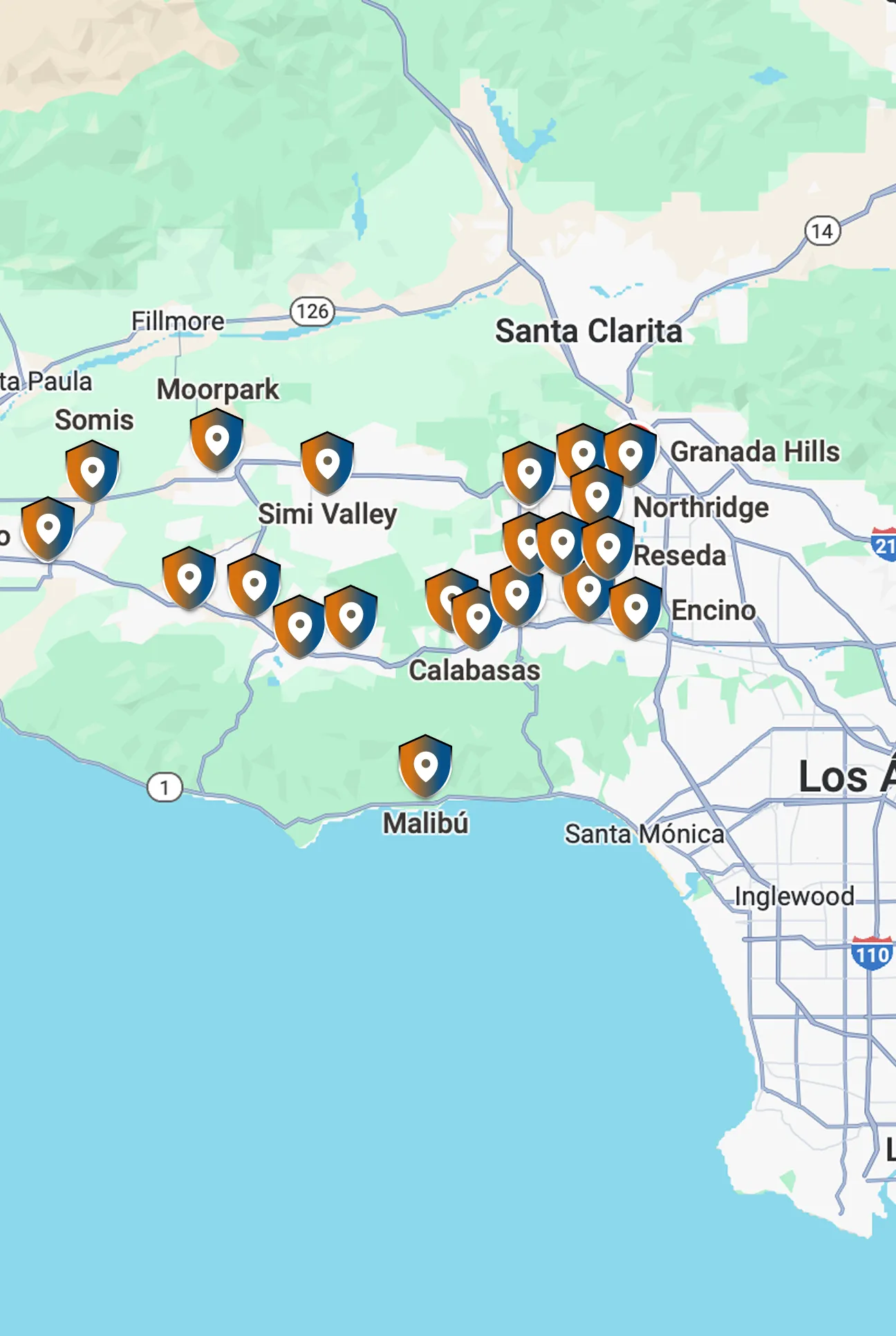
Our service areas encompass a wide range of locations, ensuring that we can meet the needs of our clients wherever they are. From bustling urban centers to serene suburban neighborhoods, we are committed to providing top-notch services tailored to each community.