

Whole House High Efficiency Systems (VRF/VRV) in Moorpark, CA
Explore Whole House High Efficiency VRF/VRV systems for advanced climate control in Moorpark, CA. These sophisticated HVAC technologies offer precise temperature management for every zone, significantly reducing energy consumption compared to traditional systems. Learn about the technology, benefits of zoned comfort, key components, the importance of professional design, installation, commissioning, maintenance, and warranty information to make an informed investment in your home's comfort and efficiency.
Whole House High Efficiency VRF/VRV Systems in Moorpark, CA
For homeowners in Moorpark, CA, seeking the ultimate in climate control, energy efficiency, and individualized comfort, Whole House High Efficiency VRF (Variable Refrigerant Flow) and VRV (Variable Refrigerant Volume) systems offer a sophisticated solution. These advanced HVAC technologies represent a significant leap beyond traditional heating and cooling setups, providing precise temperature management for every corner of your residence while significantly reducing energy consumption. As a homeowner considering a long-term investment in your property's comfort and value, understanding the intricacies of VRF/VRV systems is essential.
Understanding VRF/VRV Technology
At its core, a VRF/VRV system is an advanced form of ductless mini-split technology, scaled up to manage the climate of an entire home. The "variable refrigerant flow" refers to the system's ability to precisely control the amount of refrigerant flowing to each indoor unit. Unlike conventional HVAC systems that operate in an "all or nothing" mode, VRF/VRV systems can simultaneously heat and cool different zones within your home, or simply provide heating or cooling only where it's needed, adapting to real-time demand.
This technology utilizes a single outdoor condenser unit connected to multiple indoor air handlers via a network of refrigerant piping. The key differentiator is the variable-speed compressor in the outdoor unit, which can precisely adjust its output to match the varying demands of the indoor units. This allows for incredibly efficient operation, as the system only uses the energy necessary to maintain desired temperatures, rather than constantly cycling on and off at full capacity. The result is consistent comfort, lower noise levels, and substantial energy savings.
The Power of Zoned Comfort
One of the most compelling benefits of a VRF/VRV system is its unparalleled zoning capability. Each indoor unit operates independently, allowing occupants to set different temperatures for individual rooms or designated areas. For a Moorpark home, this means you can keep the living room cool during the day, warm a bedroom at night, or leave an unoccupied guest room at a standby temperature, all simultaneously. This level of granular control eliminates hot and cold spots, caters to diverse comfort preferences among family members, and prevents energy waste in rarely used areas. The precise control over individual zones contributes directly to both comfort and significant reductions in utility bills.
Key Components of a VRF/VRV System
A complete VRF/VRV installation comprises several vital components working in harmony:
- Outdoor Condenser Unit: This central unit houses the variable-speed compressor and the primary heat exchanger. Its sophisticated design allows it to extract heat from the air during cooling cycles and add heat during heating cycles, distributing it efficiently through the refrigerant lines. The variable-speed technology ensures it always operates at the most efficient capacity.
- Multiple Indoor Air Handlers: These are the units placed within your home's various zones. VRF/VRV systems offer a wide array of indoor unit styles to blend seamlessly with your interior design, including wall-mounted units, ceiling cassettes (recessed into the ceiling), slim duct units (hidden within walls or ceilings and connected to minimal ductwork), and floor-standing models. Each indoor unit functions as its own thermostat and airflow manager.
- Advanced Control Systems: Beyond individual thermostats for each indoor unit, VRF/VRV systems often come with sophisticated central controllers, touch-panel interfaces, and smart home integration options. These allow for comprehensive monitoring, scheduling, and remote management of the entire system, providing homeowners with unparalleled command over their indoor environment.
- Refrigerant Piping Network: A specialized network of copper pipes connects the outdoor unit to all indoor units. This intricate system is designed to handle the variable flow of refrigerant, ensuring efficient distribution and recovery throughout the home.
Design and Sizing for Your Moorpark Home
The successful implementation of a Whole House VRF/VRV system in your Moorpark residence begins with a meticulous design and sizing process. Unlike traditional systems that might rely on simpler calculations, VRF/VRV requires a highly customized approach to maximize its efficiency and performance.
Experienced HVAC professionals conduct a thorough assessment of your property, considering numerous factors:
- Home Layout and Size: Detailed measurements of each room and the overall floor plan.
- Insulation Levels: Quality of wall, attic, and floor insulation affects heat gain and loss.
- Window and Door Efficiency: Type, size, and orientation of windows impact solar heat gain.
- Occupancy and Lifestyle: How many people live in the home and their typical usage patterns.
- Moisture Levels: Humidity considerations for optimal dehumidification.
- Local Climate Data: Specific heating and cooling degree days for Moorpark, CA.
- Individual Zone Loads: Precise calculations for the heating and cooling demands of each distinct area or room you wish to zone.
This comprehensive analysis ensures that the outdoor unit has sufficient capacity, and that each indoor unit is appropriately sized for its specific zone's requirements. An accurately designed system guarantees efficient operation, consistent comfort, and long-term reliability tailored specifically to your home's unique characteristics and the Moorpark climate.
The VRF/VRV Installation Process
Installing a Whole House VRF/VRV system is a complex undertaking that requires specialized expertise. The process typically involves several key stages:
- Pre-Installation Assessment and Planning: Following the design phase, a detailed plan is created, outlining the precise placement of all components and the routing of refrigerant lines.
- Piping and Wiring Infrastructure: This is often the most intricate part of the installation. A network of specialized refrigerant lines and electrical conduits is carefully run through walls, ceilings, and floors to connect the outdoor unit to each indoor handler. Proper insulation and sealing of these lines are crucial for efficiency.
- Indoor Unit Placement: Each selected indoor unit is precisely mounted in its designated zone. Care is taken to ensure aesthetic integration and optimal airflow distribution within the room.
- Outdoor Unit Installation: The outdoor condenser unit is placed on a stable, level pad, often away from living areas to minimize noise. Necessary electrical connections are established.
- System Evacuation and Charging: Once all connections are made, the system is thoroughly evacuated to remove any moisture or contaminants, then precisely charged with the correct amount of refrigerant. This step is critical for system longevity and efficiency.
- Control System Integration: All individual unit controls, central controllers, and smart home interfaces are connected and configured.
Due to the complexity and precision required, VRF/VRV installations should only be performed by certified and experienced HVAC technicians who understand the nuances of these advanced systems.
Commissioning for Peak Performance
After installation, the VRF/VRV system undergoes a critical commissioning process. This is where technicians perform a series of tests and adjustments to ensure every component is functioning optimally and the entire system is operating at its peak efficiency.
Commissioning typically includes:
- Initial Startup and Diagnostics: The system is powered on, and technicians monitor performance parameters.
- Performance Verification: Each indoor unit is tested to ensure it provides the correct heating and cooling output for its zone, and that refrigerant flow is precisely managed.
- Airflow Balancing: If ducted indoor units are used, airflow is meticulously balanced to ensure even distribution.
- Control System Calibration: All thermostats and central controls are calibrated to ensure accurate temperature readings and responsive operation.
- Leak Detection: Thorough checks are performed to detect any potential refrigerant leaks.
- Homeowner Orientation: Once confirmed fully operational, technicians provide a comprehensive walkthrough to the homeowner, explaining how to operate the system, utilize its advanced features, and maximize its energy-saving potential.
Proper commissioning is paramount to validating the system's design and ensuring it delivers the promised comfort and efficiency for years to come.
Essential Maintenance Requirements
While VRF/VRV systems are designed for durability and efficiency, regular professional maintenance is indispensable for preserving their performance and extending their lifespan. Proactive maintenance helps prevent costly breakdowns, ensures continued energy efficiency, and keeps your system running smoothly in Moorpark's varying climate.
Key maintenance activities include:
- Filter Replacement/Cleaning: Regular inspection and changing or cleaning of air filters in all indoor units is crucial for air quality and system efficiency.
- Coil Cleaning: Indoor evaporator coils and outdoor condenser coils need to be kept free of dirt, dust, and debris to ensure optimal heat transfer.
- Refrigerant Level Checks: Verifying the refrigerant charge and inspecting for any leaks is vital for system performance.
- Component Inspections: Checking electrical connections, fan motors, condensate drains, and other moving parts for wear and tear.
- System Diagnostics: Running diagnostic tests to identify any potential issues before they escalate.
Adhering to a scheduled maintenance plan, typically on an annual or bi-annual basis, protects your investment and ensures your VRF/VRV system continues to provide reliable, efficient comfort.
Warranty Information
Investing in a Whole House VRF/VRV system is a significant decision, and manufacturers stand behind their products with comprehensive warranties. Typically, you can expect a manufacturer's warranty on major components, such as the compressor and other parts, often extending for several years (e.g., 10 or 12 years, as commonly seen with high-efficiency systems). Some manufacturers may offer separate warranties for the heat exchanger or provide unit replacement coverage under certain conditions.
It is important to understand that warranty coverage often hinges on professional installation by a certified dealer and adherence to a regular maintenance schedule. Any unauthorized repairs or neglected maintenance could potentially void parts of your warranty. Always consult with your HVAC provider for specific details regarding the manufacturer's warranty for your chosen VRF/VRV system, as well as any installation warranties offered by the service provider. Understanding these terms provides peace of mind and protects your long-term investment in superior home comfort.

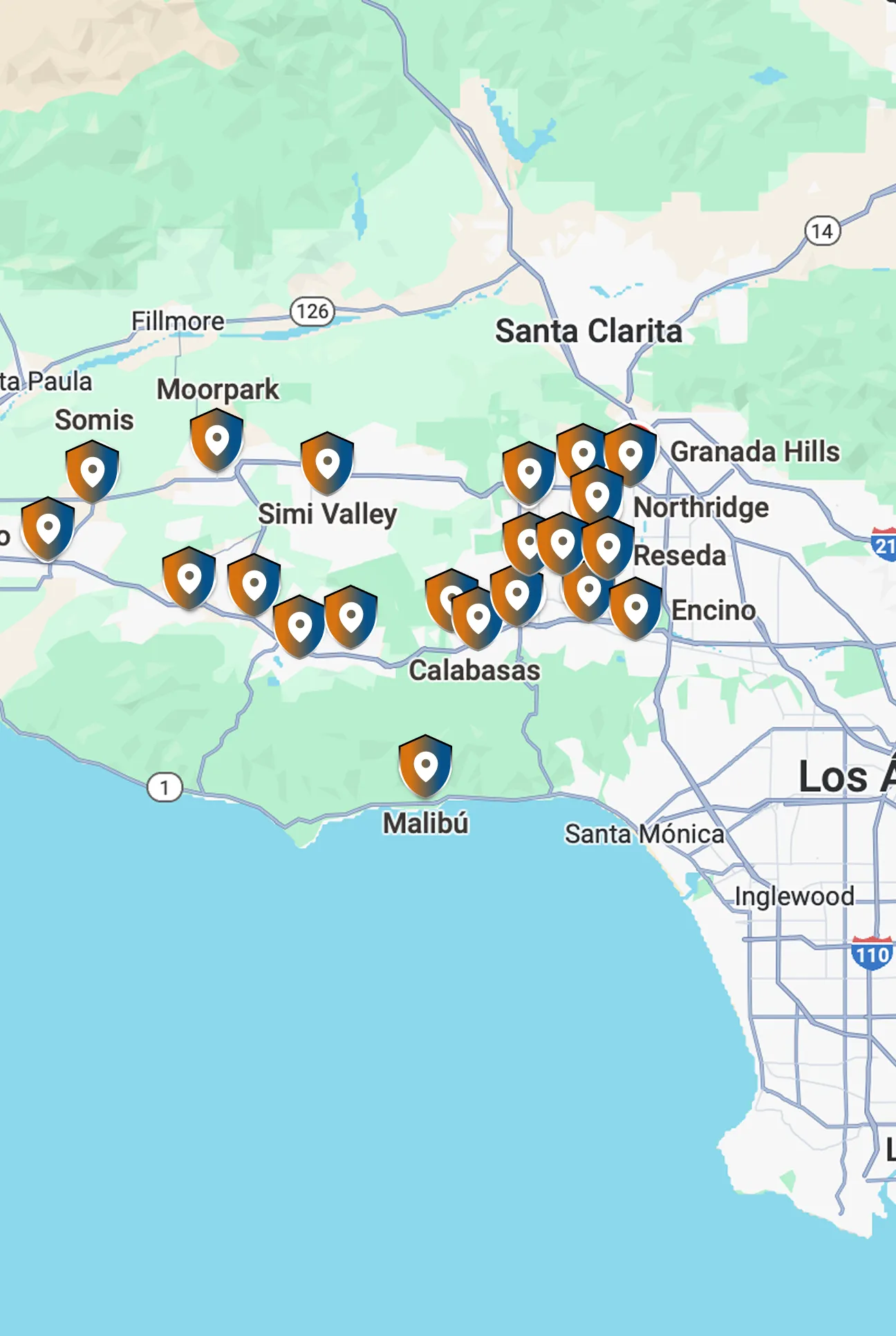
Service Areas
Our service areas encompass a wide range of locations, ensuring that we can meet the needs of our clients wherever they are. From bustling urban centers to serene suburban neighborhoods, we are committed to providing top-notch services tailored to each community.