Why Heat Pumps Make Sense for Southern Climates: A Winter Heating Comparison

Busting the Cold-Weather Myth: Heating Upgrades in Mild Regions
There is a widespread misconception that electric heating systems simply cannot handle real winter weather, but when you look at why heat pumps make sense for southern climates, the exact opposite is true. At Comfort Heroes, our team frequently encounters homeowners who assume that as soon as the temperature drops, a traditional gas furnace is the only reliable way to keep a house warm. This myth stems from older technology that struggled in freezing temperatures, leading people to believe that heat pumps were only useful for cooling. The reality is that your regional climate dictates how your HVAC system performs, making mild winter zones a highly unique scenario for home heating.
If you are facing a late-fall HVAC replacement and trying to decide between sticking with traditional gas heating or transitioning to newer technology, this is the perfect time to evaluate your options. Achieving November pre-winter readiness means making a choice before the coldest nights arrive. As you weigh your options, securing professional heating services ensures your home is equipped with a system designed specifically for your local climate. This guide provides an objective, side-by-side comparison to help you make an informed pre-winter upgrade decision.
The Core Difference: Moving Heat vs. Generating Heat
To understand why one system might outperform another in your specific neighborhood, you first have to understand how they operate. Gas furnaces and heat pumps use fundamentally different physical processes to warm your home. A traditional gas furnace relies on combustion. It burns a fossil fuel—typically natural gas or propane—to generate heat from scratch. This process creates a very hot, intense blast of air that is then blown through your home's ductwork.
A heat pump, on the other hand, does not generate heat at all. Instead, it uses a refrigeration cycle to absorb ambient heat energy from the outside air and move it inside. Even when it feels chilly outdoors, there is still a significant amount of thermal energy in the air. The heat pump captures this energy, compresses it to increase its temperature, and transfers it into your living space. Because it is simply moving heat rather than creating it from raw fuel, the energy consumption profile is drastically different.
When you are planning a heat pump installation, understanding this mechanical difference is vital. It impacts everything from the lifespan of the equipment to the type of maintenance it requires. In our experience across Thousand Oaks and surrounding Southern California areas, we find that homeowners quickly realize moving heat is far more practical and cost-effective than burning fuel.
• Heating Method — Traditional Gas Furnace: Burns fossil fuels to create new heat energy. — Modern Heat Pump: Absorbs and transfers existing outdoor heat energy inside.
• Energy Source — Traditional Gas Furnace: Natural gas or propane, plus minor electricity for the blower. — Modern Heat Pump: 100% electricity to run the compressor and fans.
• Heat Delivery — Traditional Gas Furnace: Delivers intense, high-temperature blasts of hot air. — Modern Heat Pump: Delivers a steady, consistent flow of moderate-temperature air.
• Maintenance Needs — Traditional Gas Furnace: Requires annual checks for gas leaks and cracked heat exchangers. — Modern Heat Pump: Requires bi-annual checks (spring and fall) for refrigerant levels and coil cleaning.
• Lifespan — Traditional Gas Furnace: Typically lasts 15 to 20 years with proper care. — Modern Heat Pump: Typically lasts 12 to 15 years, as it runs year-round for both heating and cooling.
Why Heat Pumps Make Sense for Southern Climates: The 40-Degree Sweet Spot
The efficiency of a heat pump is directly tied to the temperature of the outside air. In northern climates where extreme sub-freezing temperatures are common, a heat pump has to work much harder to extract thermal energy. When the temperature drops below freezing, older or standard heat pumps experience a capacity drop. They often have to rely on electric resistance auxiliary heating strips to make up the difference, which consumes a significant amount of electricity and lowers overall efficiency.
However, Southern California winters rarely reach freezing. Nighttime lows typically hover in the 40 to 45-degree range. This specific temperature band is the absolute sweet spot for heat pump efficiency. At 40 degrees, there is an abundance of ambient heat in the outdoor air for the refrigerant to absorb. The system can operate at absolute peak efficiency without ever needing to activate backup heating elements.
The microclimate advantage: Because the system never faces the extreme strain of sub-zero weather, it runs smoothly and continuously. This specific microclimate turns a heat pump into a highly efficient, logical upgrade over an aging gas furnace. In our years of servicing local homes, our technicians at Comfort Heroes have learned the exact heating load requirements of properties in this specific microclimate, ensuring that your system is perfectly sized to take advantage of these mild winter temperatures. For residents in Thousand Oaks and surrounding Southern California areas, a pattern we see often is that homeowners get all the benefits of electric heating without the cold-weather drawbacks experienced in other parts of the country.
Efficiency Showdown: Gas Furnace AFUE vs. Heat Pump Ratings
When comparing heating systems, you have to look at how efficiency is measured. Gas furnaces are measured by their Annual Fuel Utilization Efficiency (AFUE). This rating tells you what percentage of the fuel consumed is actually turned into usable heat for your home. Even the absolute most advanced, high-efficiency gas furnaces on the market today max out at around 98% AFUE. That means for every dollar of gas burned, 98 cents becomes heat, and 2 cents is lost as exhaust. Because a furnace creates heat, it can never exceed 100% efficiency due to the laws of thermodynamics.
Heat pumps are measured differently. Their heating efficiency is tracked by the Heating Seasonal Performance Factor (HSPF2), while cooling is measured by the Seasonal Energy Efficiency Ratio (SEER2). Because heat pumps move heat rather than create it, they break the 100% efficiency barrier. In mild weather, a heat pump can deliver two to three units of heat energy for every one unit of electrical energy it consumes. This means a heat pump can easily operate at 200% to 300% efficiency.
This massive efficiency gap directly impacts your home's energy utilization during the winter months. Achieving November pre-winter readiness with a system that operates at 300% efficiency provides a distinct operational advantage over a system capped at 98%.
• Standard Models — Gas Furnace (AFUE): 80% (20% energy lost to exhaust) — Heat Pump (Equivalent Efficiency): ~200% (Produces 2x the heat energy it consumes)
• High-Efficiency Models — Gas Furnace (AFUE): 90% - 98% (Minimal energy loss) — Heat Pump (Equivalent Efficiency): ~300%+ (Produces 3x the heat energy it consumes)
• Performance in 40°F Weather — Gas Furnace (AFUE): Remains static at rated AFUE limit — Heat Pump (Equivalent Efficiency): Operates at absolute peak performance
• Performance in 15°F Weather — Gas Furnace (AFUE): Remains static at rated AFUE limit — Heat Pump (Equivalent Efficiency): Efficiency drops; may require auxiliary heat

Versatility and Year-Round Comfort Capabilities
One of the most compelling reasons homeowners transition to electric heat transfer is the dual functionality of the equipment. A traditional HVAC setup requires two entirely separate systems: a furnace for the winter and an air conditioner for the summer. This means you are maintaining, repairing, and eventually replacing two different pieces of heavy machinery.
A heat pump solves this problem by providing both heating and cooling from a single unit. It utilizes a component called a reversing valve. In the summer, the system acts exactly like a standard air conditioner, absorbing heat from inside your home and dumping it outside. In the winter, the reversing valve flips, allowing the system to absorb heat from the outside and pump it indoors. Eliminating the need to maintain two separate aging systems brings significant convenience and streamlines your home's mechanical footprint.
For homes in Thousand Oaks and surrounding Southern California areas, this year-round versatility is a major advantage. We often remind our customers that since you rely on your cooling system heavily in the summer, having that same high-efficiency technology handle the mild winter heating load just makes sense.
The Advantage of Ductless Zoned Heating
This same heat transfer technology is also available in ductless mini-split systems. If your home lacks extensive ductwork, or if you have specific rooms that are always too hot or too cold, ductless options provide incredible flexibility.
• Targeted comfort: Ductless systems provide heat only where it is needed, allowing you to create specific temperature zones throughout your home.
• High-efficiency operation: They operate on the exact same high-efficiency heat transfer principles as central heat pumps, often achieving even higher SEER2 and HSPF2 ratings.
• Perfect for unique spaces: They are ideal for room additions, converted garages, or historic homes where installing traditional ductwork is impossible or cost-prohibitive.
Safety and Environmental Advantages of Electric Heating
Beyond the impressive efficiency numbers, transitioning away from combustion heating offers substantial safety and environmental benefits. Traditional gas furnaces burn fuel inside your home. While modern furnaces are built with strict safety standards, the fundamental process of combustion produces byproducts, including carbon monoxide. If a furnace ages and develops a cracked heat exchanger, there is a risk of those harmful gases leaking into your living space.
Eliminating indoor combustion: By upgrading to a heat pump, you completely remove the combustion process from your home. There are no gas lines connected to the unit, no pilot lights, no burners, and zero risk of carbon monoxide leaks. This provides tremendous peace of mind, especially during the winter months when windows are tightly closed.
Additionally, shifting to electric heat transfer significantly reduces a home's overall carbon footprint. Because heat pumps do not produce combustion byproducts, they also help protect your indoor air quality. As an efficient and versatile alternative for home heating, modern variable-speed heat pumps provide a much more consistent, quiet heating experience. Instead of the loud, sudden blast of a traditional furnace turning on at full capacity, a variable-speed heat pump ramps up slowly and runs continuously at low speeds, keeping the temperature perfectly even throughout homes in Thousand Oaks and surrounding Southern California areas.
Navigating Incentives for Energy-Efficient Upgrades
Upgrading to high-efficiency electric heating often aligns with broader national and local energy goals. Because heat pumps drastically reduce fossil fuel consumption and lower overall energy demand on the grid, there are frequently financial incentives available to encourage homeowners to make the switch.
When planning your November pre-winter readiness upgrades, it is highly recommended to look into these programs. Generic federal tax credits may apply to qualifying heat pump installations, helping to offset a portion of your investment during tax season. In addition to federal programs, local utility rebate programs frequently incentivize the transition from older, inefficient gas systems to modern, high-efficiency heat pumps.
Because these programs change frequently and have specific qualification requirements based on the equipment's SEER2 and HSPF2 ratings, it is important to do your research before scheduling an installation. Always consult with a qualified tax professional or check directly with your local utility provider to verify which current, applicable programs your new system might qualify for.
Frequently Asked Questions About Mild-Climate Heating
Do heat pumps work well in the South and Southern California?
Yes, heat pumps work exceptionally well in mild southern climates. Our team routinely recommends them because temperatures in these regions rarely drop below freezing, allowing the system to extract ambient heat from the outdoor air with maximum efficiency. Homeowners in Thousand Oaks and surrounding Southern California areas benefit greatly from this technology, as it provides reliable heating without the heavy energy consumption of a traditional furnace.
At what temperature does a heat pump become inefficient?
Older or standard heat pumps typically begin to lose efficiency when outdoor temperatures drop below 25 to 30 degrees Fahrenheit. At these sub-freezing temperatures, the system has to work much harder to absorb heat and may rely on electric auxiliary heating strips. However, in a mild climate where winter lows usually stay in the 40s, the system remains in its peak efficiency zone all winter long.
Is a heat pump better than a gas furnace in California?
For most California homes, a heat pump is generally considered a superior option due to the state's mild winters and the system's high efficiency. A heat pump can deliver up to three times more heat energy than the electricity it consumes, whereas a gas furnace is physically capped at under 100% efficiency. Additionally, a heat pump eliminates the safety risks associated with indoor gas combustion.
Why are heat pumps recommended for mild climates?
Heat pumps are highly recommended for mild climates because they operate by moving existing heat rather than burning fuel to create it. In a mild climate, there is always plenty of ambient heat available in the outdoor air, allowing the system to operate at 200% to 300% efficiency. This makes them incredibly effective and much more environmentally friendly than traditional combustion heating.
Should I replace my gas furnace with a heat pump before winter?
Yes, late fall is the ideal time to replace an aging gas furnace with a heat pump. Taking action before the coldest months arrive ensures your home is ready for winter and prevents the stress of an emergency breakdown in January. Upgrading now allows you to research your options thoroughly and find a system that perfectly matches your home's heating load.
Does a heat pump provide both heating and cooling?
Yes, a heat pump serves as both a heater and an air conditioner in a single unit. It uses a reversing valve to change the direction of the refrigerant flow based on the season. In the summer, it pulls heat out of your home, and in the winter, it pulls heat into your home, eliminating the need to maintain two separate HVAC systems.
Make an Informed Heating Choice Before Winter Arrives
When evaluating your home comfort options, it becomes clear that heat pumps offer superior efficiency, safety, and dual-purpose convenience for regions with mild winters. By moving heat rather than burning fuel, these systems provide a consistent, comfortable environment while maximizing your energy utilization. As an aging gas furnace nears the end of its life, transitioning to electric heat transfer is a smart, forward-thinking upgrade.
Taking action during the late-fall window is crucial for achieving true November pre-winter readiness. By scheduling your heat pump installation before December and January bring the year's lowest nighttime temperatures, you guarantee reliable comfort for your family. If you are ready to weigh your options, our team at Comfort Heroes is here to provide the expert guidance you need to determine the exact right system for your home's specific footprint and heating needs.

Service Areas
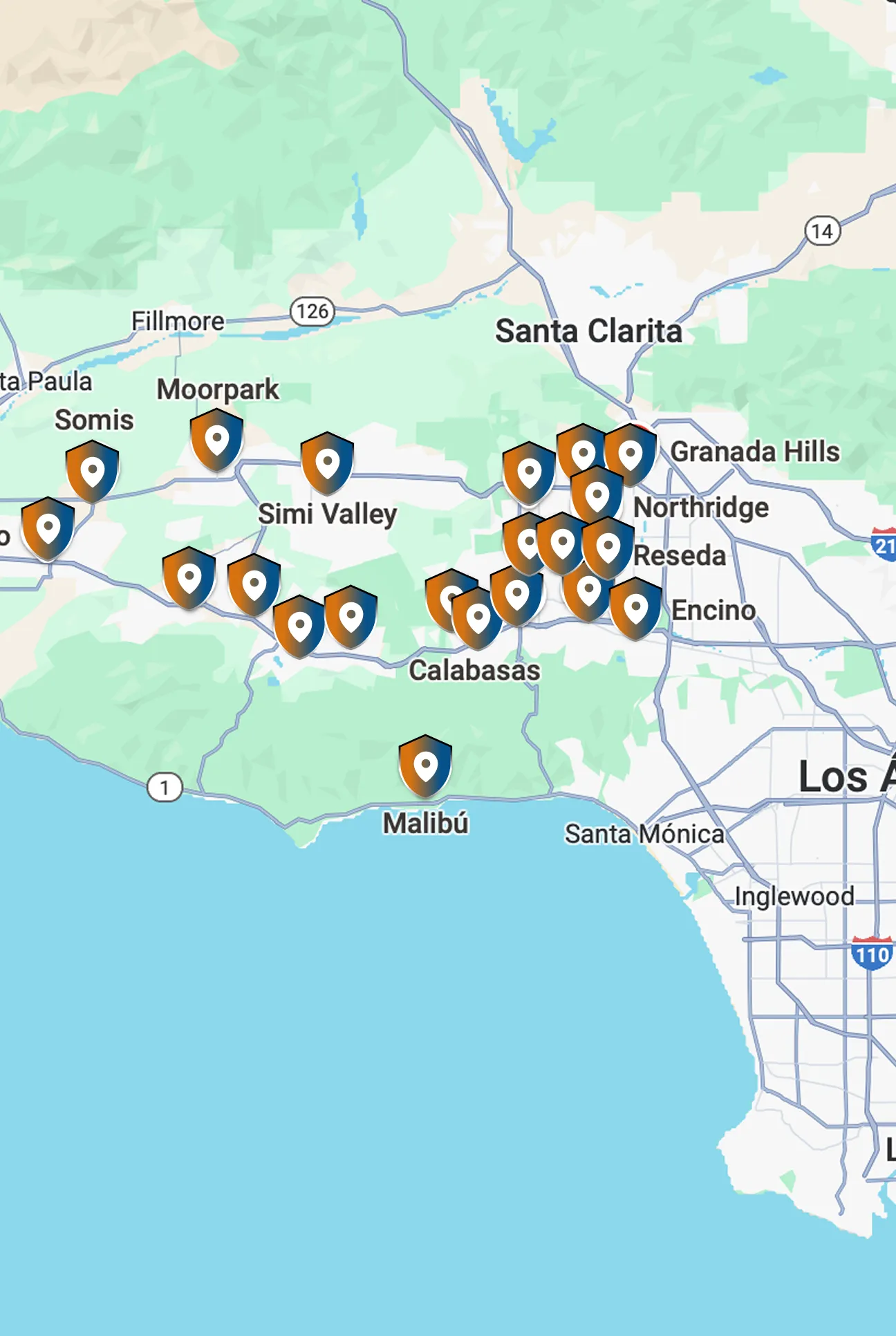
Our service areas encompass a wide range of locations, ensuring that we can meet the needs of our clients wherever they are. From bustling urban centers to serene suburban neighborhoods, we are committed to providing top-notch services tailored to each community.